
CGI Furniture Blog
Find out how to improve a product business with 3D rendering and modeling
- CGI News“Brands Can Build up Engagement and Followers From Nothing with Consistently Good Organic Content” — an Interview with Matt Macbradaigh, a Social Media Marketing ExpertUsing social media for brand marketing is essential for the development of any business. From introducing a company to the market to carrying out its PR and communication…

- CGI Services3D Product Rendering Cost: 5 Ways to Reduce ItAs more and more people are shopping online using apps and websites instead of going to furniture stores, even the most old-fashioned manufacturers invest their financial resources into…

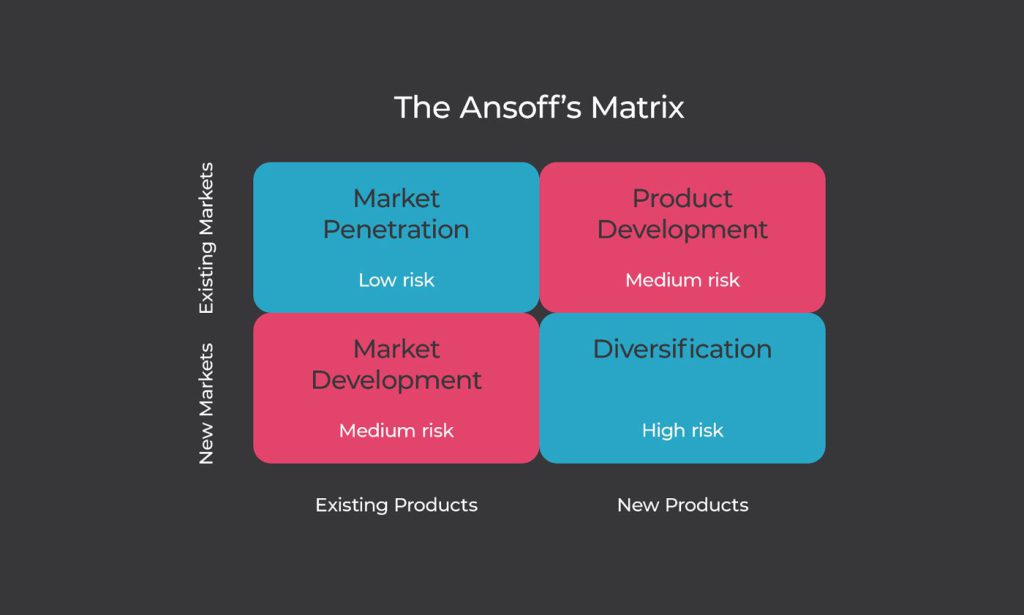
- E-commerce TrendsProduct Marketing Strategy: 4 Types of Ansoff Matrix PlanningWhen entering markets and developing new products, manufacturers and retailersface the dilemma of allocating resources. They need to carefully plan every stepin their product marketing strategy to avoid…
- CGI Studios3D Modeling Portfolio: 5 Things to Look at when Choosing a ProviderChoosing a 3D modeling company is an important stage for successful productmarketing. Upon this choice depend the quality of 3D models, speed andeffectiveness of the workflow, and, ultimately,…

- 3D Software3D Max Furniture Rendering: 5 Advantages for Product Images over Other 3d ProgramsOne of the key benefits of Autodesk 3ds Max is photorealism. Fornon-professionals, it’s simply impossible to distinguish 3D Max furniturerendering from product photos because its materials, textures and…
- E-commerce TrendsHow to Make Your Ecommerce Site Stand Out: 7 Tips to Beat CompetitionDue to the ongoing global pandemic, almost every furniture manufacturer and seller have fully switched to online sales. Naturally, it caused severe competition in eCommerce, and it became…

- Benefits of Product CGI3D Models for Ecommerce: How They Help to SucceedUsing 3D models for eCommerce, furniture manufacturers and retailers can discover a whole new world of marketing and promo solutions. With life-like 3D models, one can get both…

- E-commerce TrendsHow to Reduce Return Rate with the Help of 3d VisualizationResearch in 2020 showed that the total value of returned online purchases topped $41 billion US dollars. eCommerce sellers are losing money both on the goodsthemselves and the…

- E-commerce TrendsAmazon Product Images for Furniture: Types and RequirementsMany furniture brands consider Amazon the most effective eCommerce platform sothe number of sellers is constantly growing. Since January 2021, almost half amillion new companies have joined the…

- Benefits of Product CGIProduct Life Cycle: 5 Main Phases for Furniture BusinessThe theory of product life cycle was developed by Theodore Levitt, a Germaneconomist from Harvard Business School. He found out that product performance onthe market changes over time…

- Benefits of Product CGIDigital vs Traditional Marketing: Pros and Cons for Furniture BusinessThe digital vs. traditional marketing debate is still ongoing, as some companiesseem to succeed with offline campaigns, while others sell more with digitalones. But which way is the…

- CGI ServicesCGI Rendering: 5 Key Elements for Creating High-Resolution ImagesIt’s always up to marketers and manufacturers if they want to use photos or CGIrenderings for marketing campaigns and product promo. Some turn to photographersfor high-resolution photos because…

- CGI Services3D Rendering for Bathroom Manufacturers: 5 Best Practices of UsesThe key reason why most manufacturers and retailers switch to 3D rendering for bathroom promo imagery is that it is a time - and money-saving solution. With CGI…

Resolving your questions before we begin
Answers to common questions
What industries do you work with?
We provide 3D visualization services across several industries. In particular, we work with product manufacturers, interior designers, e-commerce retailers, and advertising agencies.
What is product rendering, and how does it work?
Product rendering is the art of creating lifelike images of a product using 3D software instead of a camera. It gives you full control over how your product looks. A 3D artist can adjust anything from lighting and textures to background and angle. You don't even need a physical prototype for that.
The process starts with building a 3D model. This can be based on drawings, CAD files, or photo references. After that, the model is textured to show surface details and materials. Lighting is then added to match your brand’s style or real-world conditions.
Finally, the software renders the scene. Basically, it means turning the digital setup into a high-resolution image or animation. Want to learn more? Our 3D rendering blog dives into the full workflow, with real examples and expert tips.
How do I start a 3D rendering or animation project with you?
You can book a meeting with us to discuss your project and ask any questions. To do that, contact our manager via the chat on this page or click the Schedule a Demo button.
Will I be able to preview and approve drafts before final delivery?
Yes, absolutely. Before the project begins, your CGI team's manager will walk you through the main stages of the work. You will agree on the timeline, when you will receive drafts, and how you will share your feedback. This way, you stay involved at every step and can approve each stage before moving forward.
Can I request revisions during the project?
Yes, revisions are a standard part of our workflow. You can request changes at each stage of your 3D rendering project. If the total volume of corrections stays within 60% of the work, we include them at no extra cost. If the changes go beyond that, they are treated as a new task and charged separately.
Can you match my brand’s lighting, style, and mood in the renders?
Yes, absolutely. Our entire workflow is designed to ensure visual consistency and a fully on-brand look.
First, we will ask you to share references that reflect the style and mood you want. These, along with your project guidelines, are stored in your brand folder.
Second, you will always work with the same CGI team. They will know your preferences well, so you will not need to repeat instructions for every project. In practice, they function like your in-house team.
Third, your team will have a dedicated project manager and an art director assigned to it. They make sure each render meets your visual and technical standards.
Finally, if the project grows and requires more artists, your core team will onboard the new members. The project manager and art director will train them so that every detail follows your brand style.

Get the Commercial CGI & Product Rendering Guide for Marketing Directors
Everything you need to scale product content with CGI.
Get expert insights, real project examples, and strategies with proven ROI.
Fill out the form to receive the guide directly in your inbox.