
CGI Furniture Blog
Find out how to improve a product business with 3D rendering and modeling
 Latest articleWhat Is a Product Digital Twin? Ecommerce Guide
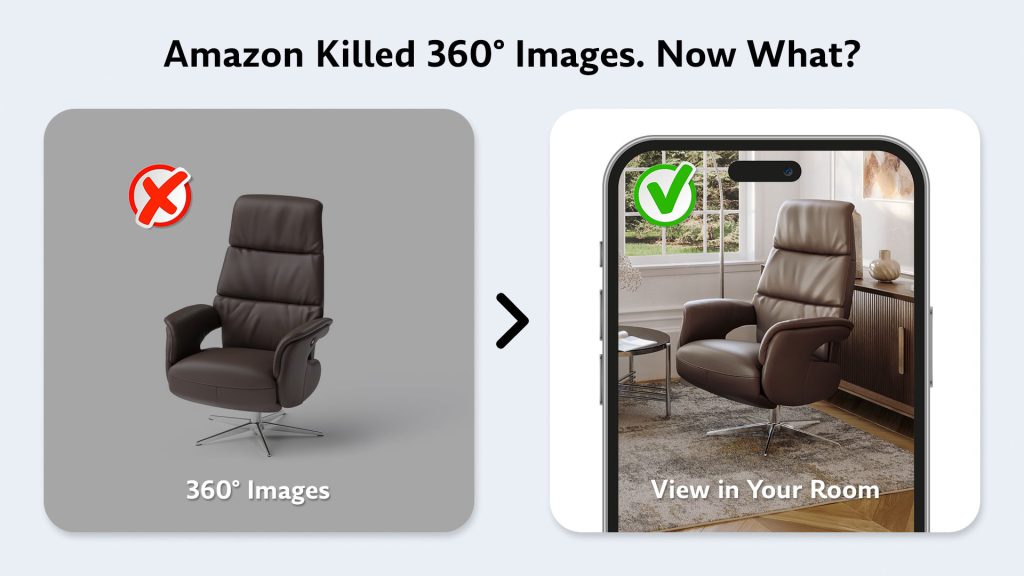
- CGI NewsGLB Files for Amazon: Why Furniture Sellers Need Them NowAmazon discontinued 360° images in January 2025. Learn what GLB files are, how they work, and how furniture sellers use them to lift conversions.
- CGI Services3D Furniture Modeling Services: 5 Crucial Factors Its Price Depends Upon3D furniture modeling services suit the best perceptive manufacturers and marketers who want fast results without huge spending. These busy businessmen know how to earn money and win…

- Case StudiesTerraces 3D Rendering: 10 Best Lifestyle Shots for Outdoor Furniture by Our CGI StudioVisually compelling content is essential for product promotion, especially for outdoor furniture brands. Lifestyle imagery does more than display products. It tells a story, showing how furniture transforms…

- CGI ServicesDigital Model Production: What You Need to Know About This ServiceDue to severe competition in the furniture industry, every manufacturer works on improving and standing out of the crowd. For that, advanced marketers bet on awe-inspiring visuals for…

- CGI ServicesPhotoreal CGI: What It Takes to Produce Top-Quality Renders and Why Furniture Brands Need ThemThe capabilities of a professional 3D visualization studio allow for creating mind-blowingly photoreal CGI for any product marketing purpose. But why is that important for furniture manufacturers? Because…

- CGI Trends3D Product Customization: 5 Industries that Make the Most of ItLetting customers design their own products is the ultimate treat a brand can provide. The overall concept isn’t new, but modern technologies allow companies to make the personalized…

- CGI Services3D Model Configurator: What It Is and How to Use It for EcommerceWant to capture your buyers’ attention and reduce goods return? Read on to learn how you can make it with a 3D model configurator!

- CGI Services5 Ways One 3D Model Unlocks CGI Furniture PhotographyIn the past, creating product visuals meant shipping prototypes in every colorand configuration to a photography studio, sourcing and purchasing decor, andcoordinating expensive, time-consuming shoots. Every new collection…

- Product MarketingWindow 3D Rendering: 7 Ways Manufacturers Can Use It to Boost Their SalesCompelling product imagery is a crucial part of a successful marketing campaign. Customers want to clearly envision how a product, such as a window, will look and perform…

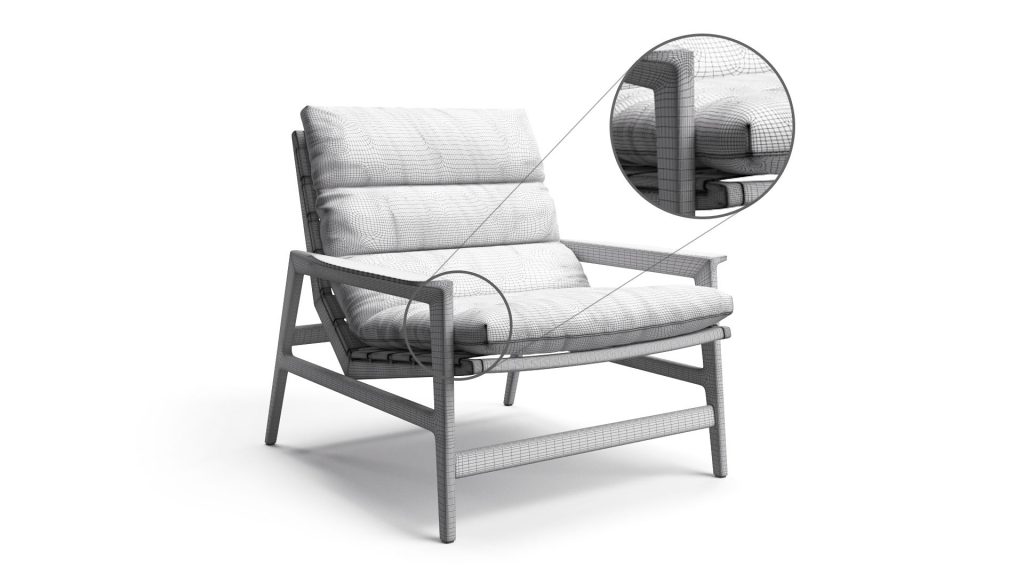
- CGI TerminologyWhat Are Polygons in 3D Modeling: 5 Simple Facts for Furniture ManufacturersOften, when ordering product 3D models, marketers don’t know whether they needhigh-polygonal or low-polygonal 3D objects. In turn, 3D studio managers need toknow exactly which option the client…
- CGI Services3D Product Modelling: 5 Ways to Make the Most of Your Visual MarketingCountless scientific studies claim that 90% of the information processed by thebrain is visual. This number proves the phrase “a picture is worth a thousandwords” to be a…

- Case Studies10 Living Room 3D Rendering Examples for Upholstered FurnitureHigh-end living room 3D rendering scenes that seamlessly complement any upholstered furniture ensure a perfect balance of aesthetics and functionality. Whether you need a meticulously designed environment to…

Resolving your questions before we begin
Answers to common questions
What industries do you work with?
We provide 3D visualization services across several industries. In particular, we work with product manufacturers, interior designers, e-commerce retailers, and advertising agencies.
What is product rendering, and how does it work?
Product rendering is the art of creating lifelike images of a product using 3D software instead of a camera. It gives you full control over how your product looks. A 3D artist can adjust anything from lighting and textures to background and angle. You don't even need a physical prototype for that.
The process starts with building a 3D model. This can be based on drawings, CAD files, or photo references. After that, the model is textured to show surface details and materials. Lighting is then added to match your brand’s style or real-world conditions.
Finally, the software renders the scene. Basically, it means turning the digital setup into a high-resolution image or animation. Want to learn more? Our 3D rendering blog dives into the full workflow, with real examples and expert tips.
How do I start a 3D rendering or animation project with you?
You can book a meeting with us to discuss your project and ask any questions. To do that, contact our manager via the chat on this page or click the Schedule a Demo button.
Will I be able to preview and approve drafts before final delivery?
Yes, absolutely. Before the project begins, your CGI team's manager will walk you through the main stages of the work. You will agree on the timeline, when you will receive drafts, and how you will share your feedback. This way, you stay involved at every step and can approve each stage before moving forward.
Can I request revisions during the project?
Yes, revisions are a standard part of our workflow. You can request changes at each stage of your 3D rendering project. If the total volume of corrections stays within 60% of the work, we include them at no extra cost. If the changes go beyond that, they are treated as a new task and charged separately.
Can you match my brand’s lighting, style, and mood in the renders?
Yes, absolutely. Our entire workflow is designed to ensure visual consistency and a fully on-brand look.
First, we will ask you to share references that reflect the style and mood you want. These, along with your project guidelines, are stored in your brand folder.
Second, you will always work with the same CGI team. They will know your preferences well, so you will not need to repeat instructions for every project. In practice, they function like your in-house team.
Third, your team will have a dedicated project manager and an art director assigned to it. They make sure each render meets your visual and technical standards.
Finally, if the project grows and requires more artists, your core team will onboard the new members. The project manager and art director will train them so that every detail follows your brand style.

Get the Commercial CGI & Product Rendering Guide for Marketing Directors
Everything you need to scale product content with CGI.
Get expert insights, real project examples, and strategies with proven ROI.
Fill out the form to receive the guide directly in your inbox.