
CGI Furniture Blog
Find out how to improve a product business with 3D rendering and modeling
- CGI NewsEcommerce Digital Marketing: 10 Strategies Every Retailer Should KnowUp until recently, ecommerce was the game of a few retailers who could afford it. With online sales currently averaging on $3.5 trillion globally, however, itis clear that…

- CGI News10 Main Components of Marketing Resource ManagementEvery business owner knows that managing resources are a key to success. It is, however, a whole science that requires theoretical knowledge and practice. Themarketing aspect of resource…

- Benefits of Product CGIPhotorealistic 3D Rendering: 5 Ways It Impacts CustomersIn eCommerce, product visuals are the only way manufacturers and retailers canintroduce their goods to customers. Since buyers can’t physically test the item,they can only make purchase decisions…

- CGI ServicesBad Images of Products for Sales: What Not to UseLaunching marketing and promo campaigns, manufacturers and sellers may spendthousands of dollars on photo shoots. They order and transport prototypes, renta photo studio with backdrops, hire a crew…

- CGI ServicesHow to Market Furniture Business Using CGI: a Quick GuideMany furniture manufacturers and retailers opt for CGI when creating productvisuals for promo and marketing. Their reasons are totally understandable — with3D they can significantly reduce expenses on…

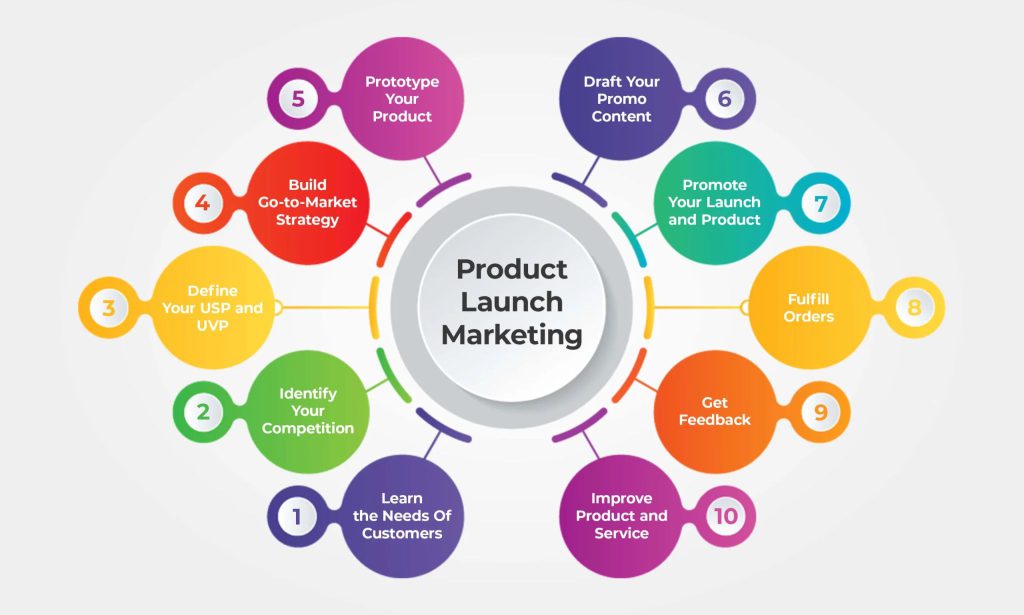
- E-commerce TrendsProduct Launch Marketing Campaign: 10 Steps to Plan It FlawlesslyLaunching new products is always a risk, no matter whether a brand is a startup or a well-established company. To minimize potential downsides, it is essential to go…
- Benefits of Product CGIWhat Is Realistic Rendering and How Different It Is From PhotosProduct marketing requires first-class images which means a significant investment of money and time. Here, furniture manufacturers and sellers face two options — either use conventional photography or…
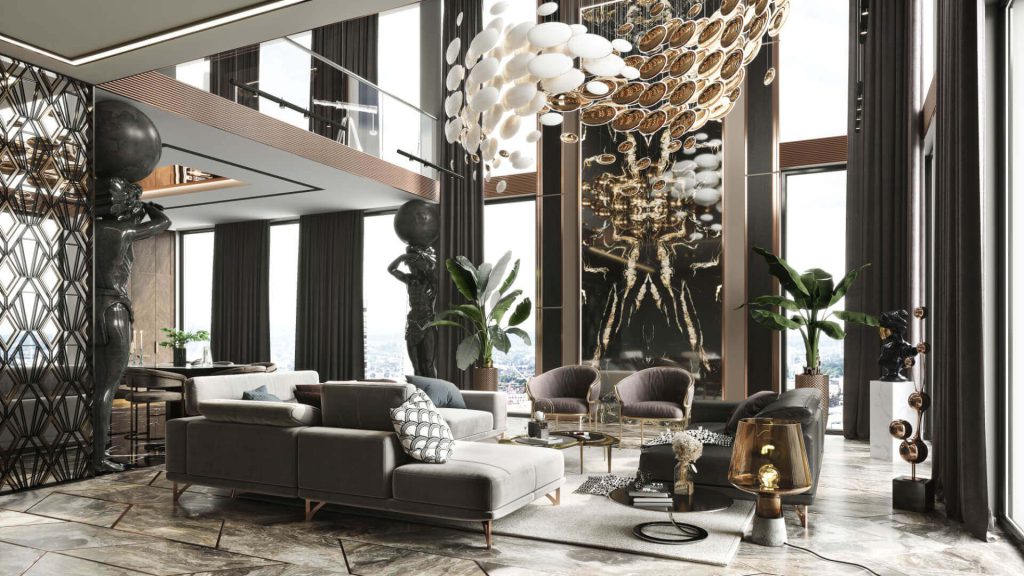
- CGI ServicesHow to Create a 3d Model From Photos: 5 StepsModern eCommerce requires advanced marketing solutions and first-class product imagery. Furniture manufacturers and retailers simply can’t use the same photos of goods all the time — they don’t…

- CGI ServicesCGI Team: Who Works on Product 3D Rendering Projects at CgifurnitureWorking with a large CGI studio such as ours, furniture manufacturers andretailers can be sure of the quality of the services they get. Firstly, eachmember of our CGI…

- E-commerce TrendsThe Brief History of Ecommerce: How It Has Changed the Business WorldTo learn how to navigate online retail, furniture manufacturers and sellers haveto know the brief history of eCommerce. Indeed, without understanding the past,we can’t build a future. And…

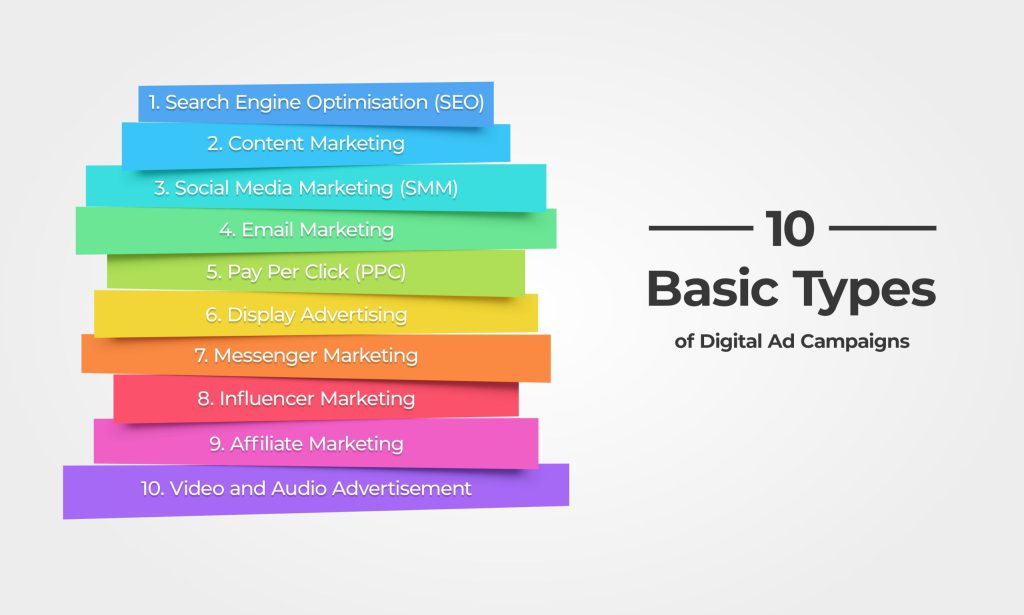
- E-commerce Trends10 Types of Digital Marketing Channels You Should KnowWhen just stepping into the world of product marketing, you might feel a little overwhelmed. You’ll see a myriad of new trends and technologies popping up all the…
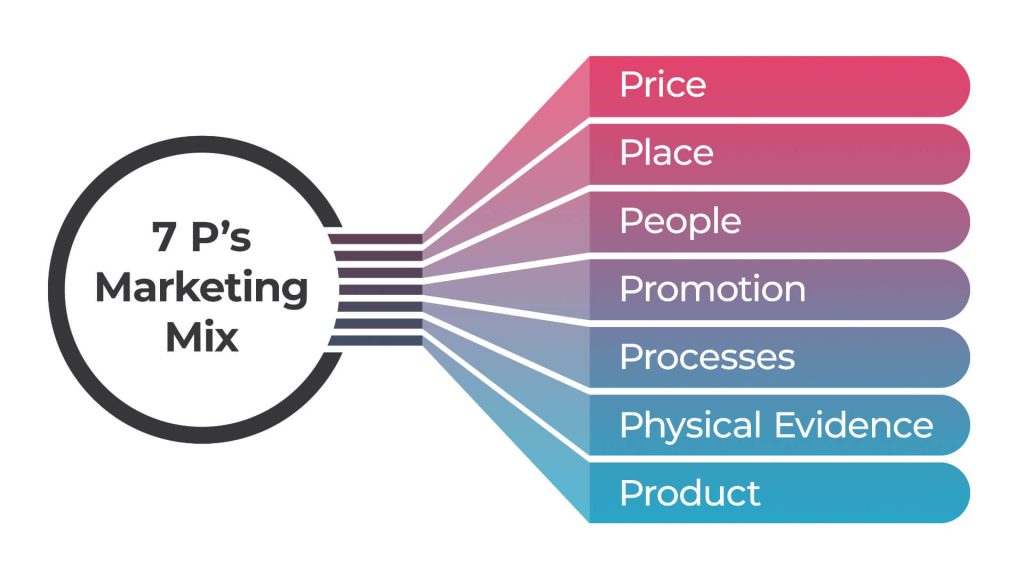
- E-commerce TrendsDigital Marketing Tactics: What Is 7p for Furniture BusinessWith a focus on innovating their businesses, furniture manufacturers andretailers need to think through their digital marketing tactics in detail — fromdefining their priorities to mastering promo tools…
- CGI ServicesProduct Animation Video: 5 Stages of Post-ProductionThe importance of video content for the furniture business can’t beoverestimated as it is often the only way to show online buyers the benefits ofa product. According to…

Resolving your questions before we begin
Answers to common questions
What industries do you work with?
We provide 3D visualization services across several industries. In particular, we work with product manufacturers, interior designers, e-commerce retailers, and advertising agencies.
What is product rendering, and how does it work?
Product rendering is the art of creating lifelike images of a product using 3D software instead of a camera. It gives you full control over how your product looks. A 3D artist can adjust anything from lighting and textures to background and angle. You don't even need a physical prototype for that.
The process starts with building a 3D model. This can be based on drawings, CAD files, or photo references. After that, the model is textured to show surface details and materials. Lighting is then added to match your brand’s style or real-world conditions.
Finally, the software renders the scene. Basically, it means turning the digital setup into a high-resolution image or animation. Want to learn more? Our 3D rendering blog dives into the full workflow, with real examples and expert tips.
How do I start a 3D rendering or animation project with you?
You can book a meeting with us to discuss your project and ask any questions. To do that, contact our manager via the chat on this page or click the Schedule a Demo button.
Will I be able to preview and approve drafts before final delivery?
Yes, absolutely. Before the project begins, your CGI team's manager will walk you through the main stages of the work. You will agree on the timeline, when you will receive drafts, and how you will share your feedback. This way, you stay involved at every step and can approve each stage before moving forward.
Can I request revisions during the project?
Yes, revisions are a standard part of our workflow. You can request changes at each stage of your 3D rendering project. If the total volume of corrections stays within 60% of the work, we include them at no extra cost. If the changes go beyond that, they are treated as a new task and charged separately.
Can you match my brand’s lighting, style, and mood in the renders?
Yes, absolutely. Our entire workflow is designed to ensure visual consistency and a fully on-brand look.
First, we will ask you to share references that reflect the style and mood you want. These, along with your project guidelines, are stored in your brand folder.
Second, you will always work with the same CGI team. They will know your preferences well, so you will not need to repeat instructions for every project. In practice, they function like your in-house team.
Third, your team will have a dedicated project manager and an art director assigned to it. They make sure each render meets your visual and technical standards.
Finally, if the project grows and requires more artists, your core team will onboard the new members. The project manager and art director will train them so that every detail follows your brand style.
Get the Commercial CGI & Product Rendering Guide for Marketing Directors
Everything you need to scale product content with CGI.
Get expert insights, real project examples, and strategies with proven ROI.
Fill out the form to receive the guide directly in your inbox.