
CGI Furniture Blog
Find out how to improve a product business with 3D rendering and modeling
- CGI Services3D Modeling for Production: How It Helps in the Furniture Manufacturing ProcessThe classic order of design and furniture production has been replaced by a more modern one, including 3D services. Apart from the price being quite low, 3D modeling…
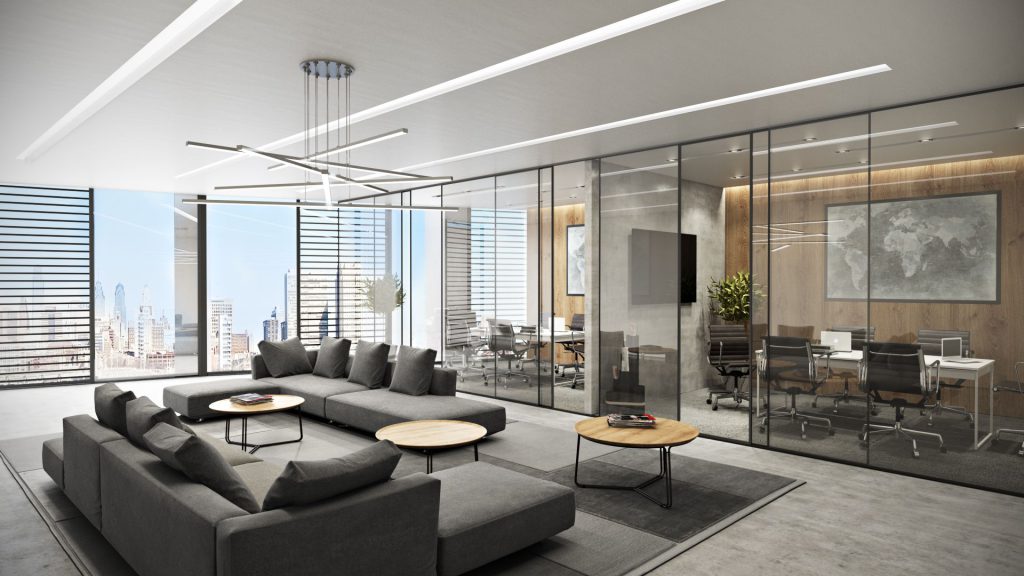
- CGI ServicesFurniture Catalog: How to Avoid Furniture Samples to Look Fake in 3D RendersWhile allocating a budget for creating a furniture catalog, marketers and manufacturers don’t want to compromise on quality. However, if there’s a way to take pictures and save…

- Product 3D Modeling3D Model Retopology: How It Influences the Quality of a 3D Object3D Modeling is not a new thing for product imagery — many advanced manufacturers and marketers have already switched from traditional photography to 3D. Now, when a brand…

- CGI NewsDigital Events: Top-8 Web Conferences for Furniture Manufacturers During QuarantineEach industry has its own types of events that must be consistent with the goals of the company and suitable for the target audience. Manufacturers invest more time…

- CGI ServicesCG Renders for Furniture: How to Provide Texture References for the Rendering BriefCG renders for furniture have become a great replacement for traditional productphotography. With modern 3D technologies, you don’t need to make a furnitureprototype, rent a studio, and hire…

- CGI ServicesCG Product Visualization: How It Can Transform a Furniture BusinessAs the ecommerce industry grows, so does the need for proper product representation. Effective item CG product visualization is one of the critical factors that define an online…

- CGI NewsHow to Increase Cross-Selling Effectiveness: 5 Killer TipsThe Internet provides tremendous opportunities for quick and convenient sales. After all, there’s no need to visit physical showrooms and shops anymore —product lifestyle rendering and photography could…

- Benefits of Product CGICG Rendering: How To Save Time And Money On Product MarketingCG rendering has been in for a while now. However, with the growth of e-business, it has become especially required these days. There are many reasons why professional…
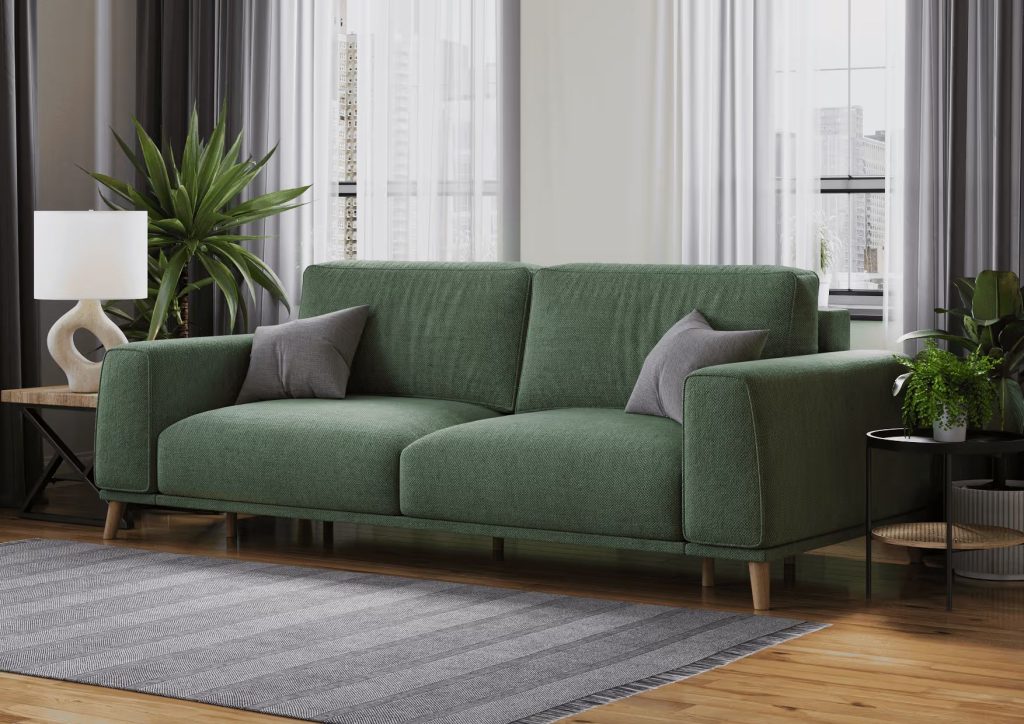
- CGI Studios3D Project Management: Cgifurniture’s CRM Platform and How to Work with ItAll manufacturers and brand marketers dream of finding a contractor who makes quality visuals and understands their clients perfectly.

- CGI Studios3D Visualization Studio: How To Communicate With An Outsource ProviderIn our modern world outsourcing has become a common model in the CGI market. A lot of people have realized the importance of technical competence and the need…

- CGI Studios3D Modeling Company: How To Recognize A Good OneCooperation with a reliable and professional 3D modeling studio is what many business owners aim at. There are countless possibilities that a trusted outsourced 3D modeling service can…
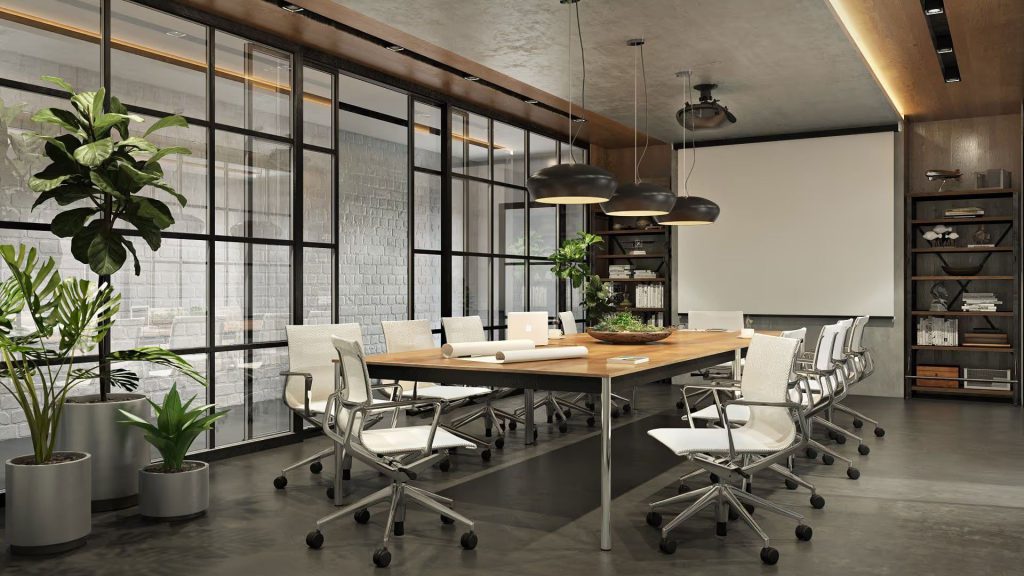
- CGI Services3D Scene: 7 Ways to Make It Organic and Dynamic for Your ProductAccording to statistics, 75% of modern consumers buy goods on the Internet monthly. This means that buyers feel confident about choosing a product based on just photos and…

- CGI vs PhotographyCGI Advantage: 7 Benefits Over Traditional Product PhotographyA good many marketers and manufacturers are in doubt when it comes to CGI studios and services. This is not surprising since stereotype clouds are thrown over this…

Resolving your questions before we begin
Answers to common questions
What industries do you work with?
We provide 3D visualization services across several industries. In particular, we work with product manufacturers, interior designers, e-commerce retailers, and advertising agencies.
What is product rendering, and how does it work?
Product rendering is the art of creating lifelike images of a product using 3D software instead of a camera. It gives you full control over how your product looks. A 3D artist can adjust anything from lighting and textures to background and angle. You don't even need a physical prototype for that.
The process starts with building a 3D model. This can be based on drawings, CAD files, or photo references. After that, the model is textured to show surface details and materials. Lighting is then added to match your brand’s style or real-world conditions.
Finally, the software renders the scene. Basically, it means turning the digital setup into a high-resolution image or animation. Want to learn more? Our 3D rendering blog dives into the full workflow, with real examples and expert tips.
How do I start a 3D rendering or animation project with you?
You can book a meeting with us to discuss your project and ask any questions. To do that, contact our manager via the chat on this page or click the Schedule a Demo button.
Will I be able to preview and approve drafts before final delivery?
Yes, absolutely. Before the project begins, your CGI team's manager will walk you through the main stages of the work. You will agree on the timeline, when you will receive drafts, and how you will share your feedback. This way, you stay involved at every step and can approve each stage before moving forward.
Can I request revisions during the project?
Yes, revisions are a standard part of our workflow. You can request changes at each stage of your 3D rendering project. If the total volume of corrections stays within 60% of the work, we include them at no extra cost. If the changes go beyond that, they are treated as a new task and charged separately.
Can you match my brand’s lighting, style, and mood in the renders?
Yes, absolutely. Our entire workflow is designed to ensure visual consistency and a fully on-brand look.
First, we will ask you to share references that reflect the style and mood you want. These, along with your project guidelines, are stored in your brand folder.
Second, you will always work with the same CGI team. They will know your preferences well, so you will not need to repeat instructions for every project. In practice, they function like your in-house team.
Third, your team will have a dedicated project manager and an art director assigned to it. They make sure each render meets your visual and technical standards.
Finally, if the project grows and requires more artists, your core team will onboard the new members. The project manager and art director will train them so that every detail follows your brand style.

Get the Commercial CGI & Product Rendering Guide for Marketing Directors
Everything you need to scale product content with CGI.
Get expert insights, real project examples, and strategies with proven ROI.
Fill out the form to receive the guide directly in your inbox.