
CGI Furniture Blog
Find out how to improve a product business with 3D rendering and modeling
- 3D Software3D Texturing Software: Top-10 OptionsWhen ordering product 3D models from CG artists, manufacturers, and marketers expect to get the highest quality 3D objects and scenes. However, often it’s bad texturing with seams…

- CGI NewsFurniture Prototyping: 5 Superb Benefits for the Manufacturing ProcessAdvanced manufacturers always strive to find the most flexible and cost-effective ways to design and produce their goods. Once the main design concept is born, they need furniture…
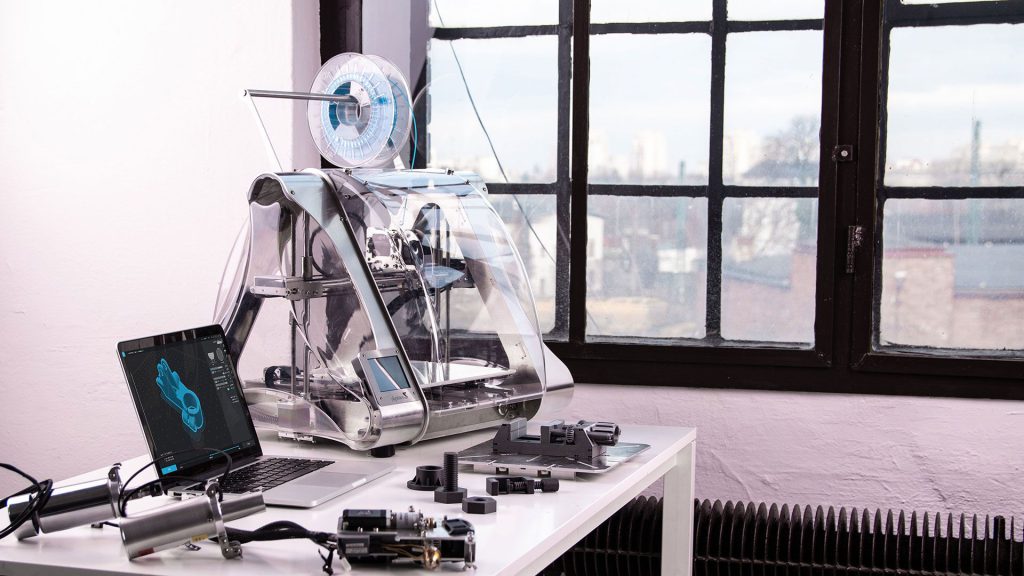
- CGI Services3D Rendering for Product Images: How to Make Them OutstandingWhen manufacturers and marketers prepare their promo campaigns, they often face the choice between 3D rendering for product images and old-school photography. Photo is a traditional but expensive…

- CGI NewsTypes of Product Advertising: What Kinds of Ads to UseNo matter what brand or business marketers work for, they need to stay on top ofthe game by developing new strategies and using various types of productadvertising to…
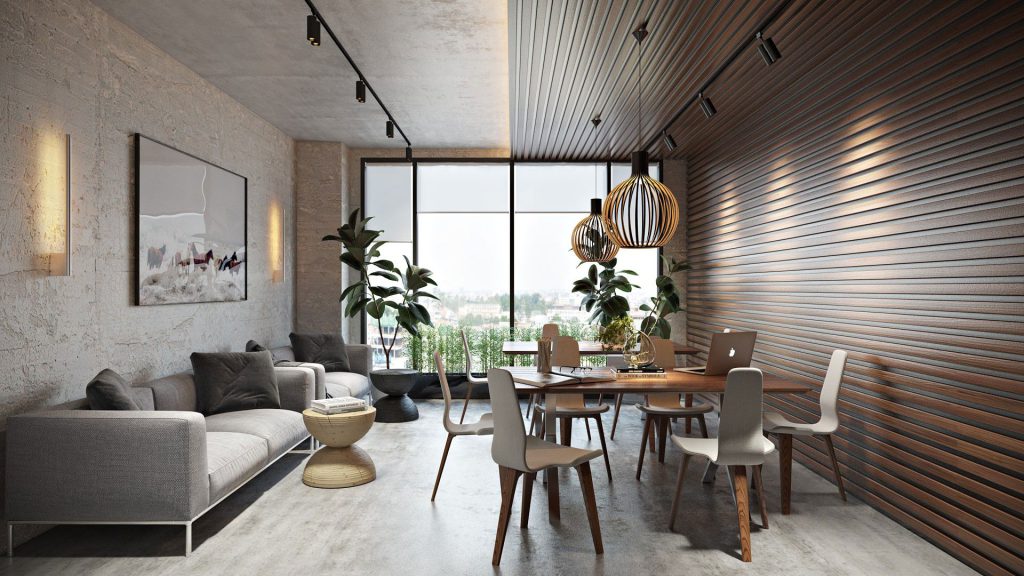
- CGI Services3D Modeling for Businesses: How to Promote Your Products with CgiIn recent years, we have witnessed how already fierce competition among brands has got even more savage. Manufacturers and sellers are trying to get ahead ofeach other with…
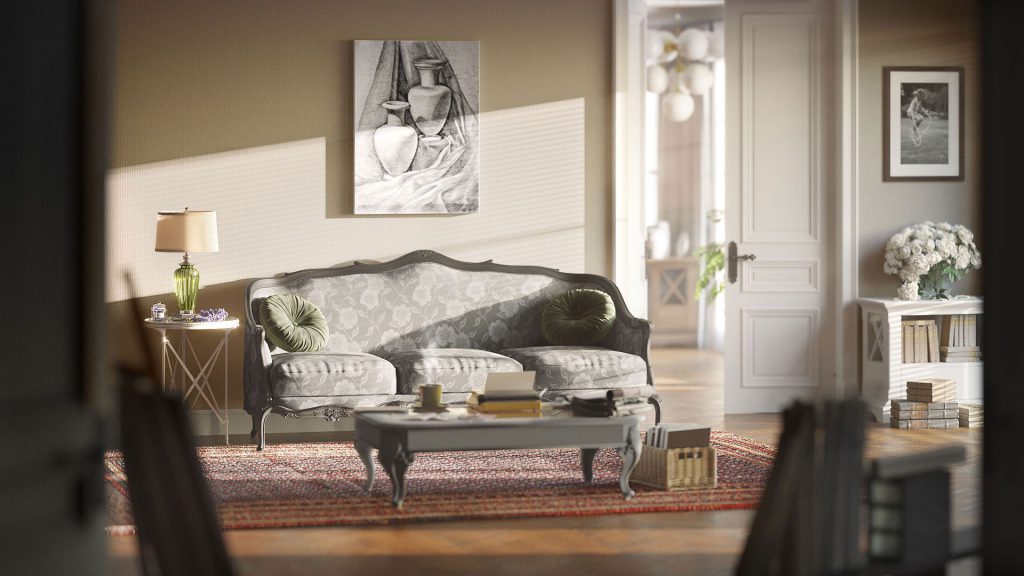
- CGI vs PhotographyWhite Product Background Pic: 5 Reasons It Is Vital for E-Commerce PromotionFor E-commerce promotion of goods, manufacturers and retailers need lots ofvisuals including white product background photos. However, taking pictures ofeach product could be too time-consuming and expensive. After…

- CGI NewsFurniture Marketing Campaigns: How to Make Them Sales DrivingFrom time to time, every brand faces the harsh reality of sales getting lower than marketers’ expectations. Aside from money loss, this situation could be a symptom that…

- CGI NewsBrand Collateral Items: How Cgi Can Help with Their CreationDue to the great competition in product and furniture design, all manufacturersand retailers try to be as visible and recognizable as possible. Therefore, theyinvest a significant amount of…
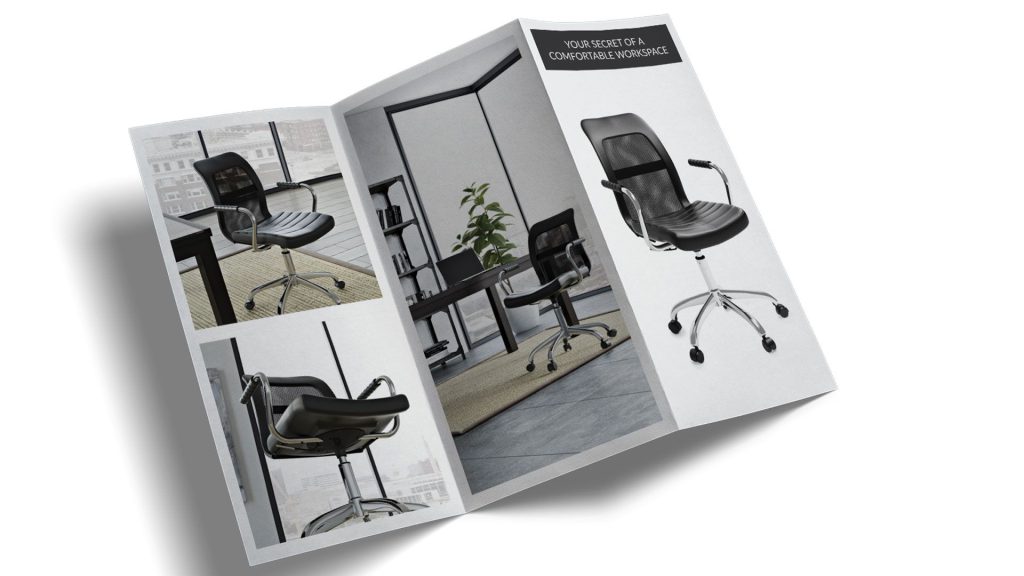
- CGI Services3D Product Spins vs 3d Images: What to ChooseTraditionally, good returns are one of the biggest headaches for e-commercemanufacturers and retailers. People who send products back claim they had noopportunity to see the object from all…
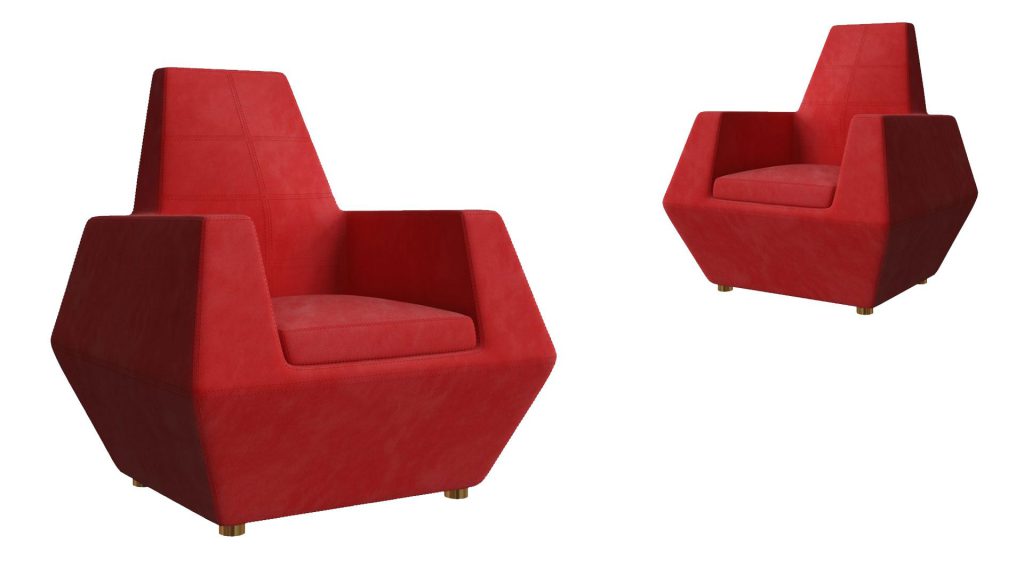
- CGI Services3D Rendering Styles: 3 Types of Mood in Lifestyle CG ImagesHow can you surprise customers with beautiful backgrounds and product lifestyles today? The competition amongst manufacturers is so fierce that they daily bombard buyers with offers with stunning…
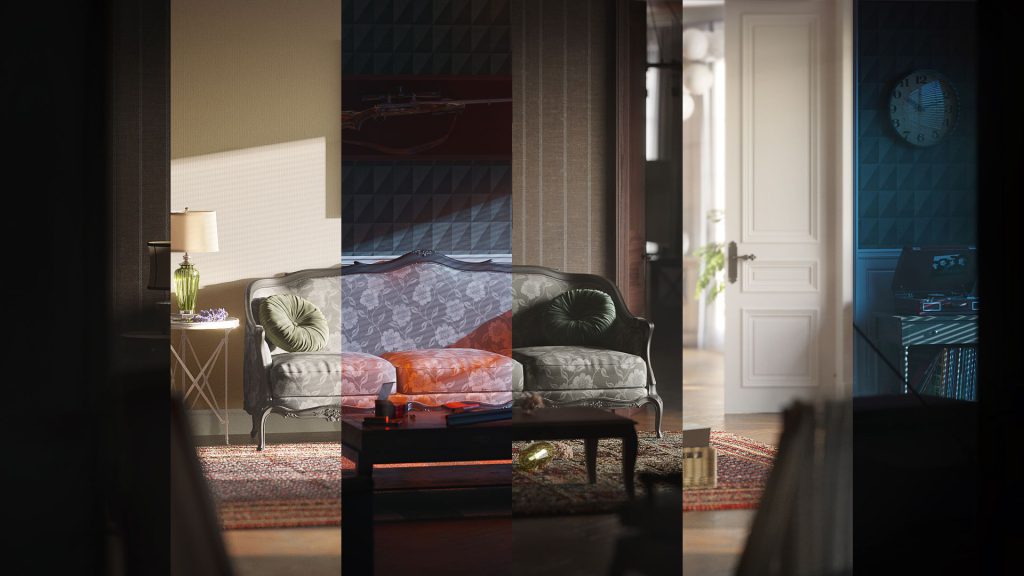
- CGI ServicesFurniture Product Images: How to Get Them Fast Using a Personal Library on Cgi CrmIn our 3D rendering company , we have developed a CRM system called Archivizer. It is a multi-functional online platform that covers all stages of the working process,…
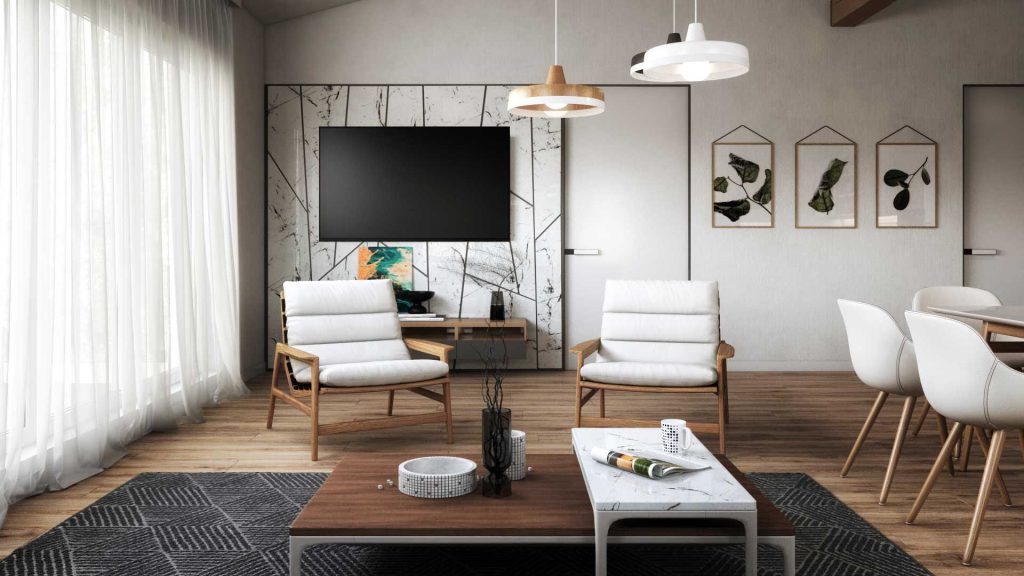
- CGI Services3D Animation for Product Design: 5 Presentational BenefitsNo manufacturer in the world doesn’t dream of getting ahead of their competitors. To outstand other brands, manufacturers and marketers strive to use smart marketing ploys enhanced by…
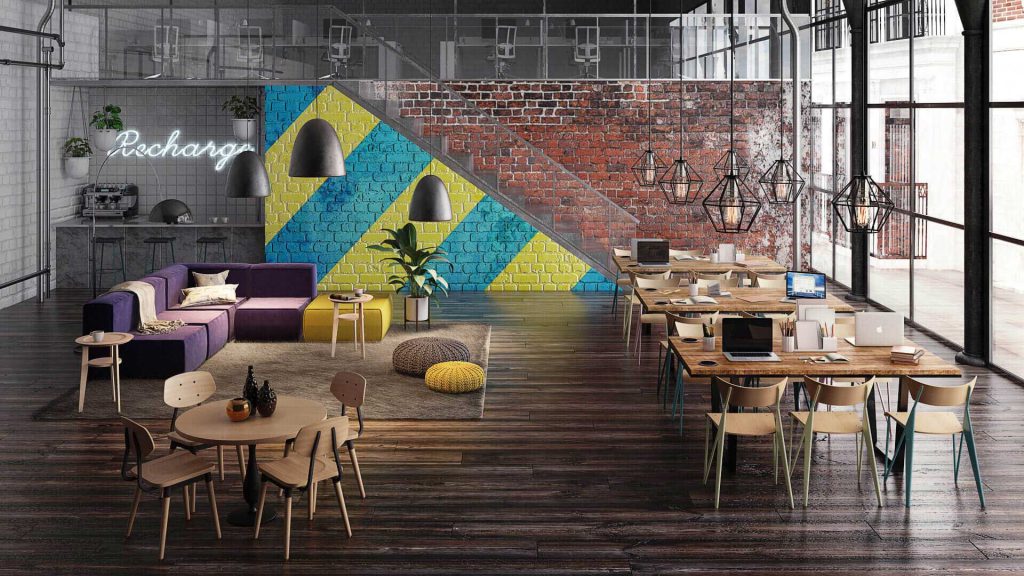
- CGI TerminologyWhat Is Product Lifestyle: 7 Features of Such CG ImagesCompetition between brands is getting stronger and fiercer with each day. Youcan see how manufacturers struggle to stay on faster-stronger-higher mode andstand out from the crowd with their…

Resolving your questions before we begin
Answers to common questions
What industries do you work with?
We provide 3D visualization services across several industries. In particular, we work with product manufacturers, interior designers, e-commerce retailers, and advertising agencies.
What is product rendering, and how does it work?
Product rendering is the art of creating lifelike images of a product using 3D software instead of a camera. It gives you full control over how your product looks. A 3D artist can adjust anything from lighting and textures to background and angle. You don't even need a physical prototype for that.
The process starts with building a 3D model. This can be based on drawings, CAD files, or photo references. After that, the model is textured to show surface details and materials. Lighting is then added to match your brand’s style or real-world conditions.
Finally, the software renders the scene. Basically, it means turning the digital setup into a high-resolution image or animation. Want to learn more? Our 3D rendering blog dives into the full workflow, with real examples and expert tips.
How do I start a 3D rendering or animation project with you?
You can book a meeting with us to discuss your project and ask any questions. To do that, contact our manager via the chat on this page or click the Schedule a Demo button.
Will I be able to preview and approve drafts before final delivery?
Yes, absolutely. Before the project begins, your CGI team's manager will walk you through the main stages of the work. You will agree on the timeline, when you will receive drafts, and how you will share your feedback. This way, you stay involved at every step and can approve each stage before moving forward.
Can I request revisions during the project?
Yes, revisions are a standard part of our workflow. You can request changes at each stage of your 3D rendering project. If the total volume of corrections stays within 60% of the work, we include them at no extra cost. If the changes go beyond that, they are treated as a new task and charged separately.
Can you match my brand’s lighting, style, and mood in the renders?
Yes, absolutely. Our entire workflow is designed to ensure visual consistency and a fully on-brand look.
First, we will ask you to share references that reflect the style and mood you want. These, along with your project guidelines, are stored in your brand folder.
Second, you will always work with the same CGI team. They will know your preferences well, so you will not need to repeat instructions for every project. In practice, they function like your in-house team.
Third, your team will have a dedicated project manager and an art director assigned to it. They make sure each render meets your visual and technical standards.
Finally, if the project grows and requires more artists, your core team will onboard the new members. The project manager and art director will train them so that every detail follows your brand style.

Get the Commercial CGI & Product Rendering Guide for Marketing Directors
Everything you need to scale product content with CGI.
Get expert insights, real project examples, and strategies with proven ROI.
Fill out the form to receive the guide directly in your inbox.