
CGI Furniture Blog
Find out how to improve a product business with 3D rendering and modeling
- CGI NewsFurniture Manufacturing Industry: 10 Most Powerful TrendsThe furniture manufacturing industry is no stranger to the ebb and flow oftrends, which evolve in ways that can be challenging to anticipate, even withadvanced analytics. With shifts…

- CGI ServicesLifestyle Furniture Renders: 10 Stunning 3D ExamplesIn the digital realm, overflowing with content, standing out and catching the potential client’s attention becomes increasingly harder. Furniture manufacturers have to make sure their visuals are informative…

- CGI Services7 Best Outdoor Product CGI Environments for Furniture Lifestyle ImagesStunning product imagery is essential for successful marketing. For outdoorfurniture in particular, these pictures need to showcase the items in theenvironments they are going to be in. Yet,…

- Product MarketingInteractive 3D Product Presentation: 5 Examples of CG VisualsTo successfully sell a product, a business needs to provide its client with acomprehensive presentation of the item. However, it’s quite challenging toachieve a tangible experience with the…
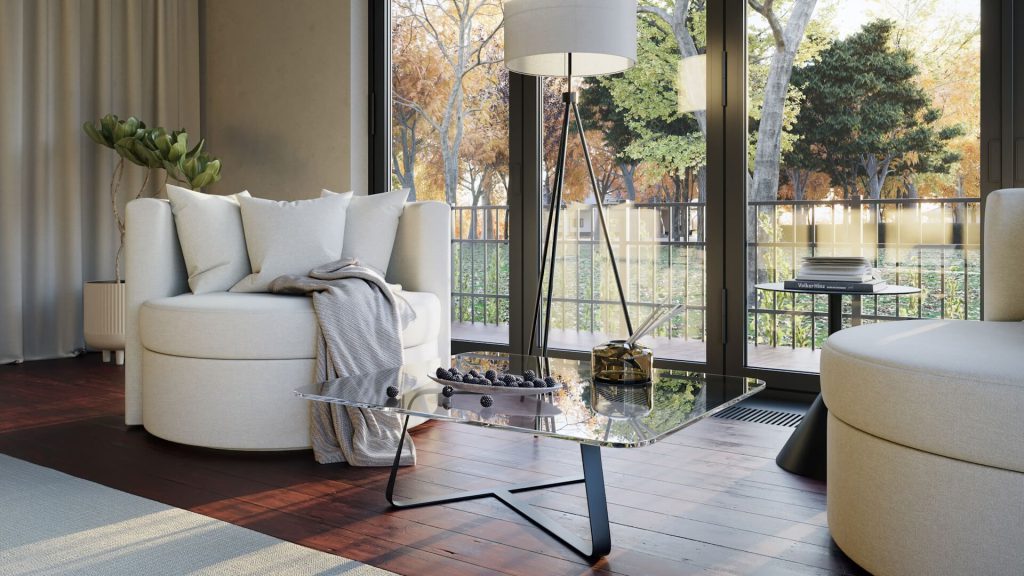
- CGI ServicesSpring 3D Rendering: 5 Striking Examples for Spring Season Product ImagesSeasonal marketing is an incredibly beneficial tool when used properly. Andright now, when nature wakes up from winter slumber, is the perfect time toconsider ordering spring 3D rendering.…

- CGI Services3D Image Rendering: 10 Product CGI Solutions by CGIFurnitureIt’s not a secret that attractive visuals drive online sales. An aesthetically pleasing product imagery is what grabs the customer’s fleeting attention. The main ways to get those…

- CGI ServicesProduct Rendering for Furniture: 7 Ways to Use It to Spark Customers’ EmotionsProduct rendering is quickly gaining popularity among furniture manufacturers.There are a number of reasons for it: it’s convenient, more affordable thanphotography, and more productive than traditional means.

- CGI Services3D Sculpting Workflow: 5 Major Steps of Furniture Creation Process in 3DFurniture manufacturers and retailers use 3D visuals for various purposes fromproduct catalogs to lifestyle animations. However, no matter what the finalresult is, it all starts with the creation…
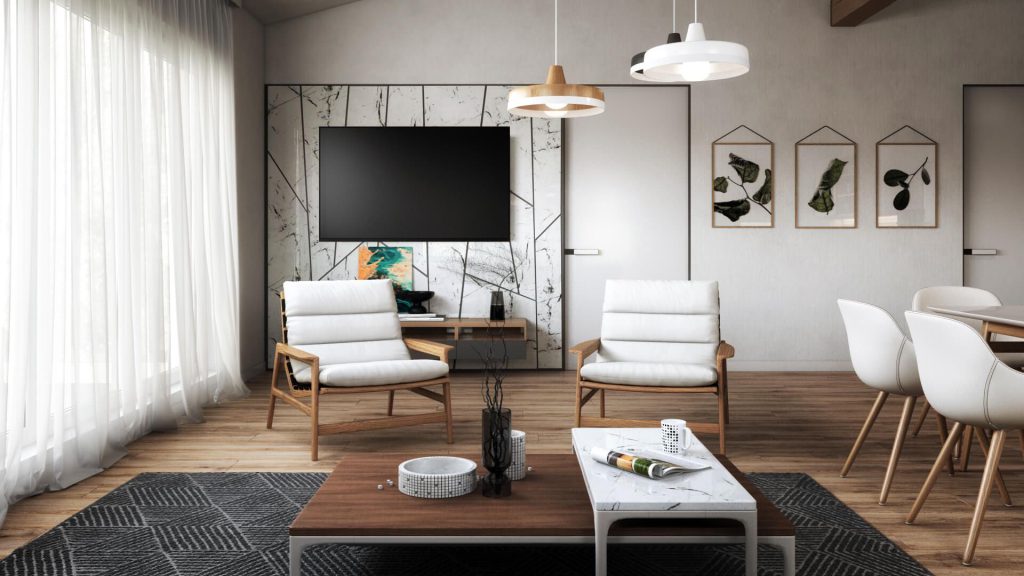
- Case StudiesProduct CGI Projects: 5 Non-Furniture Case Studies by CgifurnitureEvery marketer knows that captivating imagery is key when it comes to sellingany product. In the digital marketing era, visuals are the first thing apotential customer sees when…

- CGI NewsProduct Images for Successful Ecommerce Business: 5 Ways to Use ThemProduct images serve as the cornerstone of both traditional advertising and e-commerce strategies. In the past, these visuals were primarily crafted using traditional photography techniques and post-production editing…
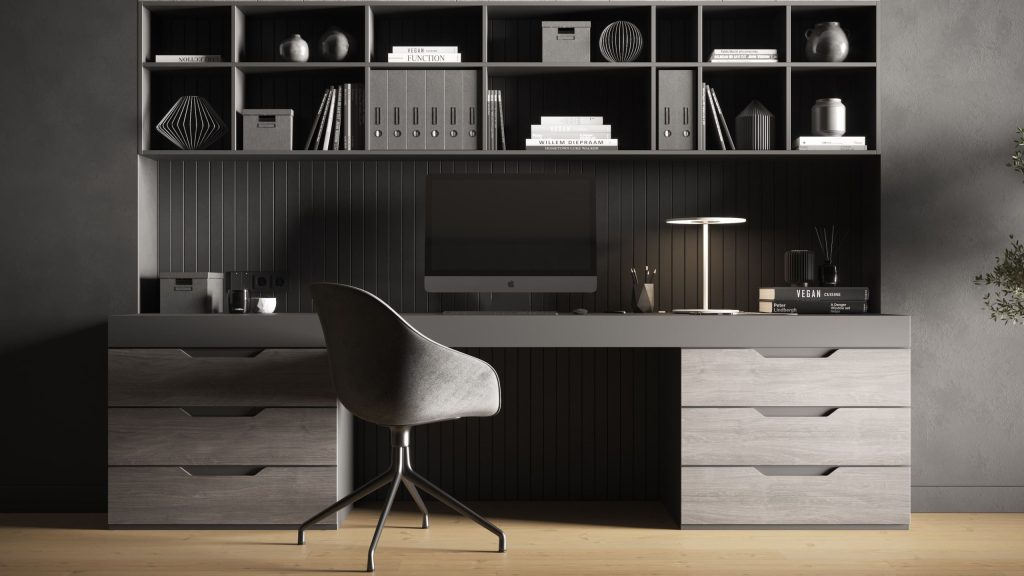
- CGI NewsFurniture Shopping Apps: 10 Digital Tools that Rule the Market in 2025–2026The surge in furniture shopping app development has played a crucial role indriving remarkable sales growth for furniture retailers. Approximately 24% ofconsumers in the U.S. are opting to…

- Product MarketingAdvertisement Content Format: 5 Options for a Brand’s Social MediaThere are nearly 5 billion social media users worldwide and this number will only continue to grow. And people use these platforms every day. Utilizing online marketing channels…

- Product 3D AnimationProduct Promo Videos: How to Make Them Engaging Using 3d Animation ServicesHow do you catch the eye of potential clients when attention spans are fleetingand competition is fierce? The trend for video content keeps rising, whetherit’s social media or…

Resolving your questions before we begin
Answers to common questions
What industries do you work with?
We provide 3D visualization services across several industries. In particular, we work with product manufacturers, interior designers, e-commerce retailers, and advertising agencies.
What is product rendering, and how does it work?
Product rendering is the art of creating lifelike images of a product using 3D software instead of a camera. It gives you full control over how your product looks. A 3D artist can adjust anything from lighting and textures to background and angle. You don't even need a physical prototype for that.
The process starts with building a 3D model. This can be based on drawings, CAD files, or photo references. After that, the model is textured to show surface details and materials. Lighting is then added to match your brand’s style or real-world conditions.
Finally, the software renders the scene. Basically, it means turning the digital setup into a high-resolution image or animation. Want to learn more? Our 3D rendering blog dives into the full workflow, with real examples and expert tips.
How do I start a 3D rendering or animation project with you?
You can book a meeting with us to discuss your project and ask any questions. To do that, contact our manager via the chat on this page or click the Schedule a Demo button.
Will I be able to preview and approve drafts before final delivery?
Yes, absolutely. Before the project begins, your CGI team's manager will walk you through the main stages of the work. You will agree on the timeline, when you will receive drafts, and how you will share your feedback. This way, you stay involved at every step and can approve each stage before moving forward.
Can I request revisions during the project?
Yes, revisions are a standard part of our workflow. You can request changes at each stage of your 3D rendering project. If the total volume of corrections stays within 60% of the work, we include them at no extra cost. If the changes go beyond that, they are treated as a new task and charged separately.
Can you match my brand’s lighting, style, and mood in the renders?
Yes, absolutely. Our entire workflow is designed to ensure visual consistency and a fully on-brand look.
First, we will ask you to share references that reflect the style and mood you want. These, along with your project guidelines, are stored in your brand folder.
Second, you will always work with the same CGI team. They will know your preferences well, so you will not need to repeat instructions for every project. In practice, they function like your in-house team.
Third, your team will have a dedicated project manager and an art director assigned to it. They make sure each render meets your visual and technical standards.
Finally, if the project grows and requires more artists, your core team will onboard the new members. The project manager and art director will train them so that every detail follows your brand style.
Get the Commercial CGI & Product Rendering Guide for Marketing Directors
Everything you need to scale product content with CGI.
Get expert insights, real project examples, and strategies with proven ROI.
Fill out the form to receive the guide directly in your inbox.