
CGI Furniture Blog
Find out how to improve a product business with 3D rendering and modeling
- Case StudiesPool Furniture 3D Rendering: 10 Best Lifestyle Pictures by CGIFurniturePool furniture 3D rendering offers a stunning portrayal of outdoor luxury andcomfort that brands can use for their marketing. Designed to showcase elegantpoolside furniture, lifestyle product CGI combines…

- Product MarketingChristmas Marketing with 3D Furniture Renders: 7 Ways CGI Helps to Slaigh Your Sales GoalsThe holiday season is a golden opportunity for Christmas marketing, and 3Drenders can help create cozy, festive visuals that capture the season’s magic.Showcasing furniture in warm, holiday-themed settings—with…

- Product MarketingWinter 3D Rendering: 5 Amazing Ideas for Holiday Season Product ImagesIn marketing and design, following seasonal themes is crucial for holiday marketing. It’s all about tapping into the current mood and interests of consumers. Winter, especially, opens up…

- CGI ServicesDigital Rendering Services: 5 Expert Tips for Choosing the Best CGI ServicesThe demand for high-quality digital rendering services has surged across various industries, including e-commerce and product design. As businesses increasingly rely on visually rich and immersive experiences to…

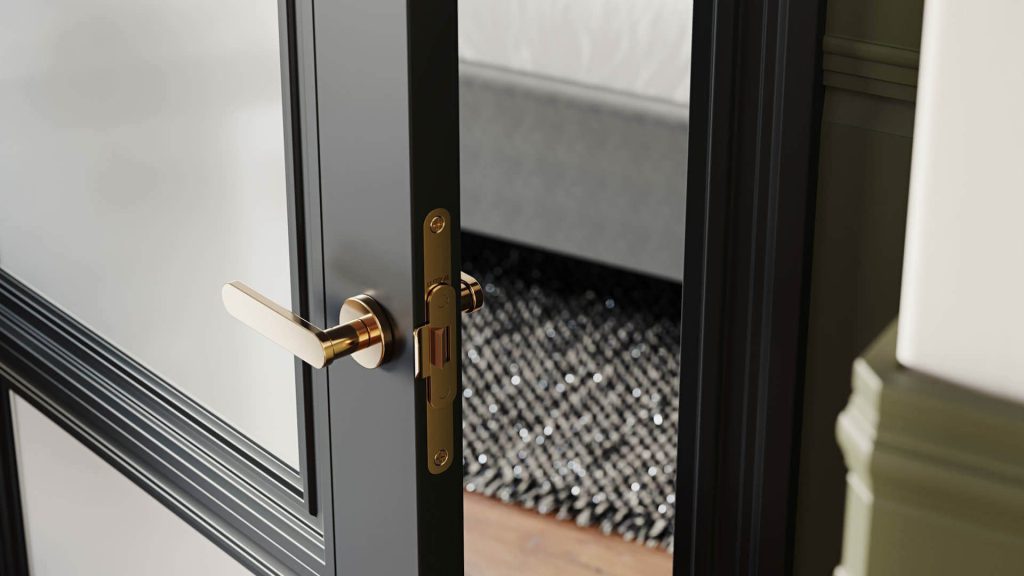
- Product MarketingDoor 3D Rendering Benefits: 5 Reasons to Go for It for Your MarketingIn today’s competitive market, visual marketing is one of the most powerfultools for any successful business. High-quality, captivating, and realisticimagery is the key to converting potential customers into…
- E-commerce TrendsVisual Commerce for Manufacturers: What Role CGI Can Play in ItIn today’s digital age, visual commerce is rapidly becoming a key driver formanufacturers looking to enhance their online presence and increase sales. It’snot just about having products available…

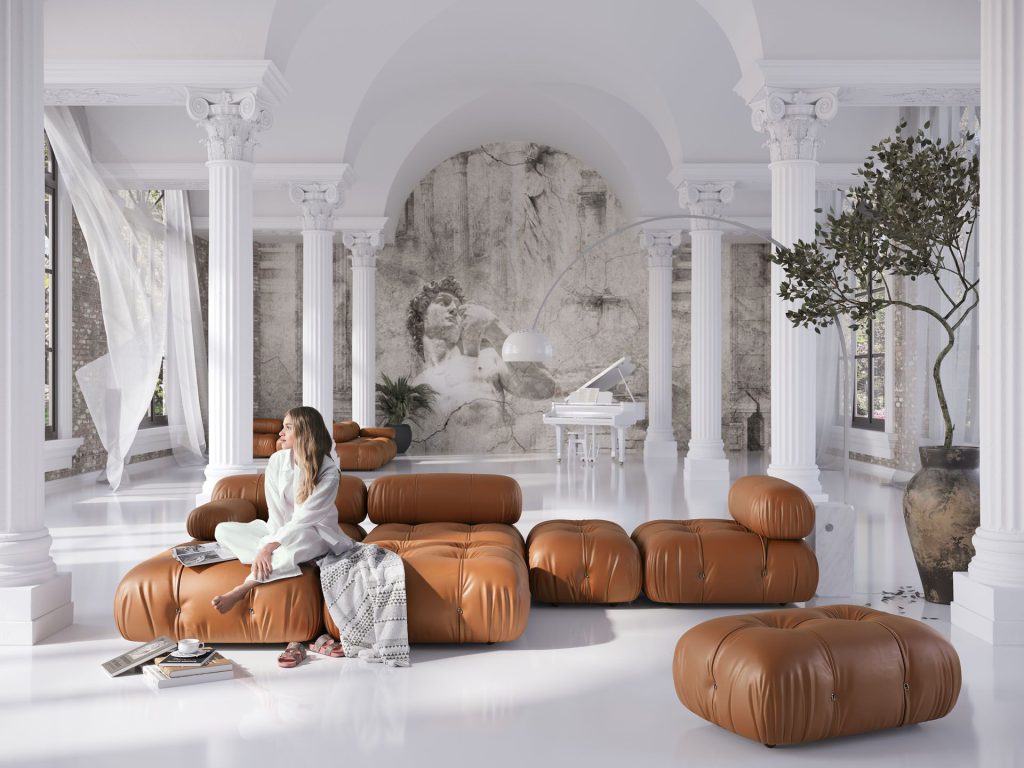
- CGI ServicesPeople in 3d Renderings: 4 Options to Achieve It for Lifestyle Product ImagesPeople in 3D renderings bring a sense of scale and realism, helping viewersbetter visualize the space and context. Their inclusion adds life and emotionaldepth, making the scene more…
- Product MarketingBlinds 3D Rendering: 7 Benefits of Using It for Your Marketing CampaignsHigh-quality product images are a necessity for marketers and manufacturers.Visuals are what capture the buyers’ attention when browsing catalogs orwebsites. Yet, getting jaw-dropping images through traditional means likephotography…

- Product 3D RenderingImportance of 3D Visualization: the Role and Benefits of Product Cgi for the Furniture Industry3D visualization uses software, realistic techniques, and CGI to create detailed visual content. Core tools include 3ds Max, Maya, and Blender for modeling, V-Ray for rendering, and Chaos…
- E-commerce TrendsExperiental Selling in E-Commerce Retail: A Complete GuideExperiential selling is about making shopping enjoyable by letting customers interact with products in real life. According to Fashion Network, 81% of consumers worldwide are willing to spend…

- E-commerce TrendsV-Commerce Shopping: The Next Evolution in E-CommerceOnline shopping is changing rapidly, with new technological advancements. One of the latest trends is V-Commerce or virtual commerce. V-Commerce uses virtual reality (VR) technology to create a…

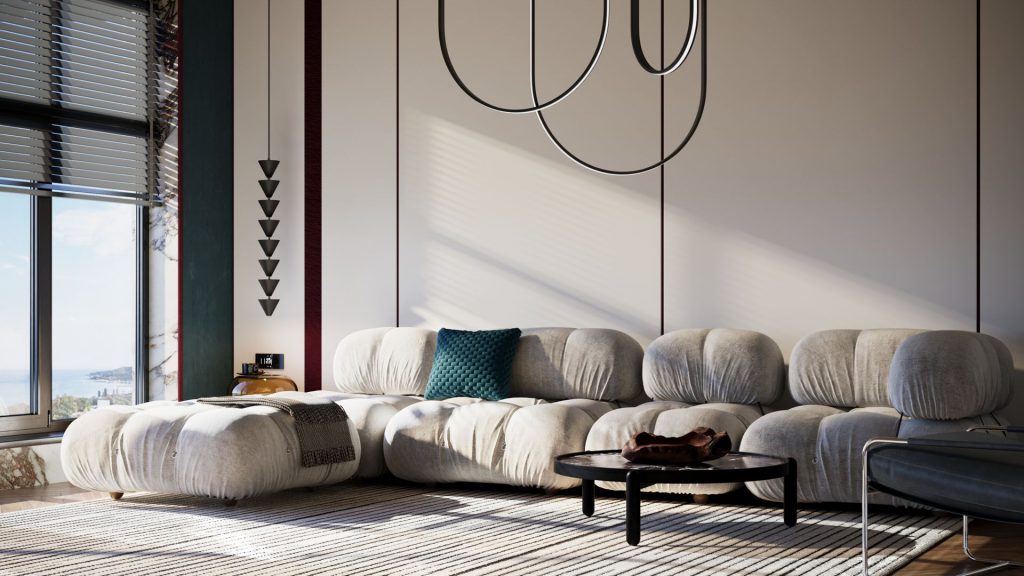
- Product MarketingTextile 3D Rendering: 5 Benefits of Using It for Product MarketingOutstanding visuals are an absolute necessity for textile manufacturers aiming to stand out in the sea of competitors. People don’t visit physical stores that often anymore. They usually…

- Product MarketingMarketing Trends in 2024: What You Need to Know About Product PromoThe USA plays a significant role in the global marketing industry. In 2023, marketing spending in the USA exceeded $500 billion, according to Statista . The annual growth…

Resolving your questions before we begin
Answers to common questions
What industries do you work with?
We provide 3D visualization services across several industries. In particular, we work with product manufacturers, interior designers, e-commerce retailers, and advertising agencies.
What is product rendering, and how does it work?
Product rendering is the art of creating lifelike images of a product using 3D software instead of a camera. It gives you full control over how your product looks. A 3D artist can adjust anything from lighting and textures to background and angle. You don't even need a physical prototype for that.
The process starts with building a 3D model. This can be based on drawings, CAD files, or photo references. After that, the model is textured to show surface details and materials. Lighting is then added to match your brand’s style or real-world conditions.
Finally, the software renders the scene. Basically, it means turning the digital setup into a high-resolution image or animation. Want to learn more? Our 3D rendering blog dives into the full workflow, with real examples and expert tips.
How do I start a 3D rendering or animation project with you?
You can book a meeting with us to discuss your project and ask any questions. To do that, contact our manager via the chat on this page or click the Schedule a Demo button.
Will I be able to preview and approve drafts before final delivery?
Yes, absolutely. Before the project begins, your CGI team's manager will walk you through the main stages of the work. You will agree on the timeline, when you will receive drafts, and how you will share your feedback. This way, you stay involved at every step and can approve each stage before moving forward.
Can I request revisions during the project?
Yes, revisions are a standard part of our workflow. You can request changes at each stage of your 3D rendering project. If the total volume of corrections stays within 60% of the work, we include them at no extra cost. If the changes go beyond that, they are treated as a new task and charged separately.
Can you match my brand’s lighting, style, and mood in the renders?
Yes, absolutely. Our entire workflow is designed to ensure visual consistency and a fully on-brand look.
First, we will ask you to share references that reflect the style and mood you want. These, along with your project guidelines, are stored in your brand folder.
Second, you will always work with the same CGI team. They will know your preferences well, so you will not need to repeat instructions for every project. In practice, they function like your in-house team.
Third, your team will have a dedicated project manager and an art director assigned to it. They make sure each render meets your visual and technical standards.
Finally, if the project grows and requires more artists, your core team will onboard the new members. The project manager and art director will train them so that every detail follows your brand style.

Get the Commercial CGI & Product Rendering Guide for Marketing Directors
Everything you need to scale product content with CGI.
Get expert insights, real project examples, and strategies with proven ROI.
Fill out the form to receive the guide directly in your inbox.