
CGI Furniture Blog
Find out how to improve a product business with 3D rendering and modeling
- E-commerce TrendsImmersive 3D Visualization: 5 Solutions for E-Commerce Furniture StoresThe furniture design industry has always been where creativity and functionalitymerge to shape living and working environments. However, in 2024, the industryis experiencing a technological revolution based on…

- CGI Services3D Product Modeling and Rendering: How They’ve Changed Furniture MarketingMarketers have always needed quality visual content for furniture marketing and promo. However effective promo campaigns require lots of different types of images. In the past, to get…

- Case StudiesOffice Furniture 3D Visualization: Top Case Studies and Examples by CGIFURNITUREHigh-quality visuals play a vital role in marketing and promoting furniture, and office furniture is no exception. CGI comes to help manufacturers and marketers as a more versatile,…
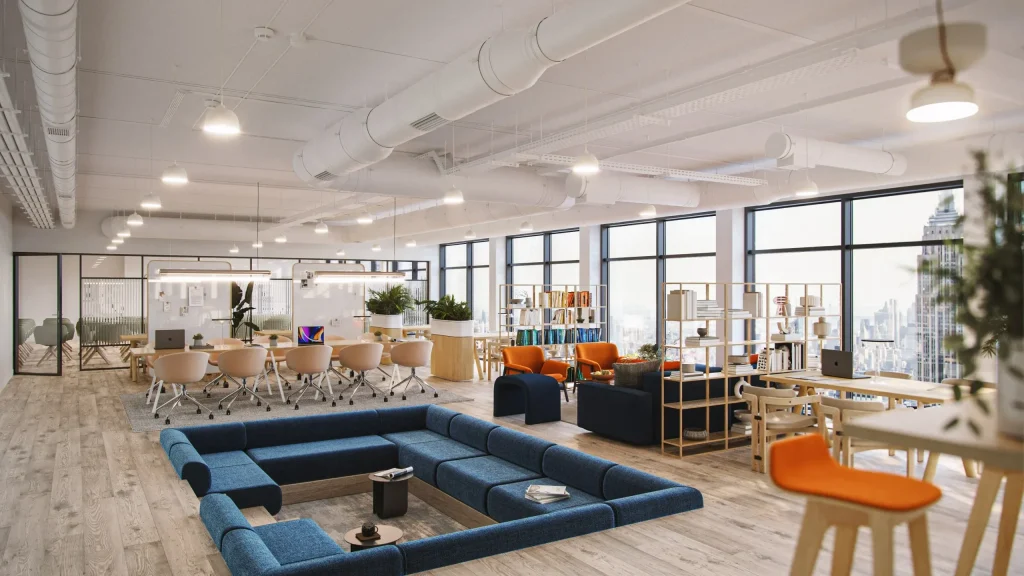
- CGI NewsAR for Ecommerce: How It Helps Online BusinessesAs online shopping continues to grow, manufacturers and marketers are constantly looking for new ways to boost their sales on ecommerce platforms and stand out from the competition.…

- CGI ServicesOutsource 3D Furniture Modeling Services vs. In-House ModelersWatching so many competitors use CGI in their campaigns, any manufacturer and marketer would be interested in such a tool. But is it worth investing? Maybe it is…

- Case StudiesCG Render: Types of Composition for Product ImageryMarketers and manufacturers know that making actual photo sessions for product roomsets is a very expensive, effort-requiring, and tiresome process. Due to limited resources, it is difficult to…

- CGI ServicesUpholstered Furniture Rendering: How 3D Artists Create Photoreal MasterpiecesUpholstered furniture rendering has transformed the way Manufacturers andRetailers can present their products and design ideas. Moreover, it made theirlife way easier in terms of the process organization.
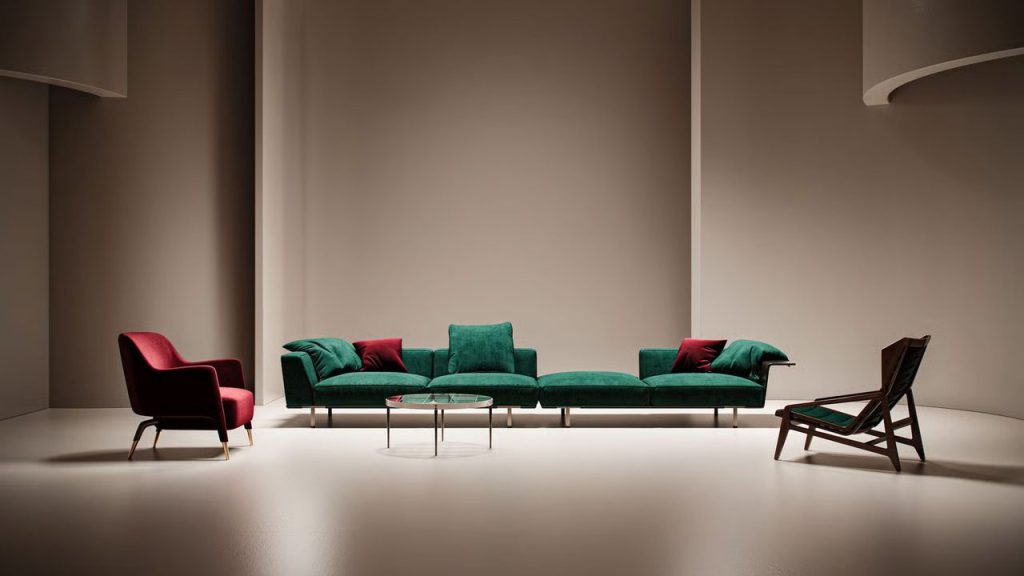
- CGI ServicesOutsource 3D Modeling Workflow: How to Create Different Images with One ModelIf you are a furniture manufacturer and wondering how to create a 3D model in multiple design variations, you should definitely consider outsourcing this task to professionals. Namely,…
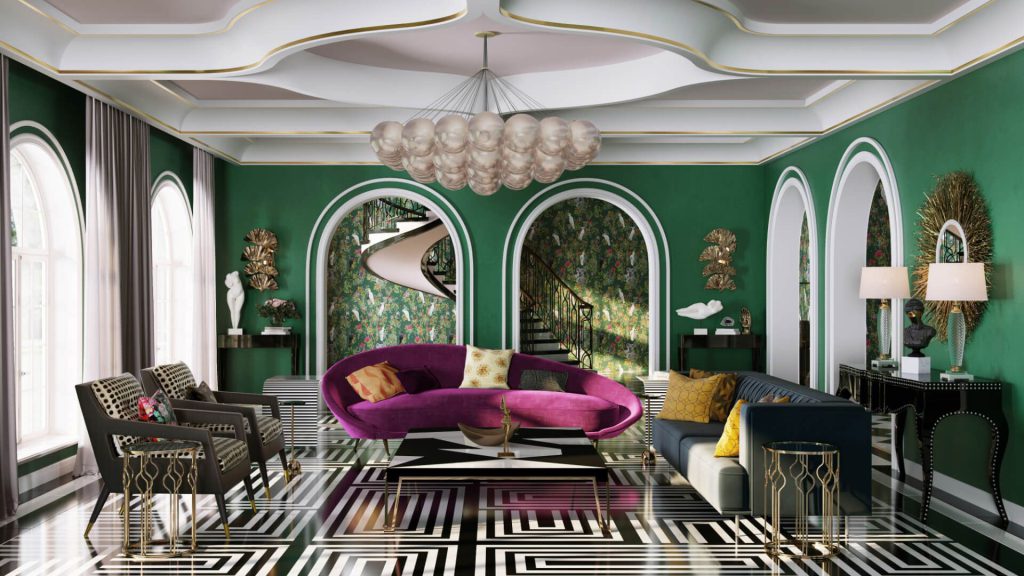
- Benefits of Product CGI3D Rendering for Luxury Furniture: How It Helps to Attract the Target AudienceBy using sleek 3D rendering for luxury furniture, manufacturers and retailers sell not just furnishings but an opulent lifestyle. Which is exactly what their target audience of businessmen…
- Case StudiesFurniture Photography: 7 Ways to Highlight Your New DesignFurniture photography balances a fine line between promotional material and art.As art pieces, they have to look great. For commercial purposes, they have toshow products’ features and entice…
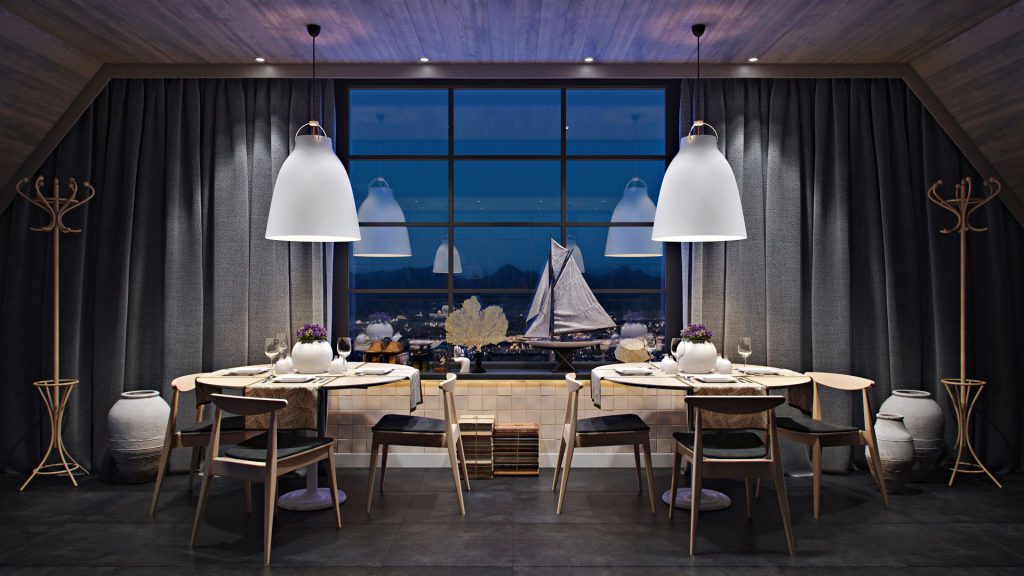
- 3D SoftwareProduct Rendering Software: 10 Best Tools 3D Studios UseProduct rendering software is a set of state-of-the-art tools 3D artists use for creating photorealistic imagery for marketing and sales materials. This allows brands to get top-notch visuals…
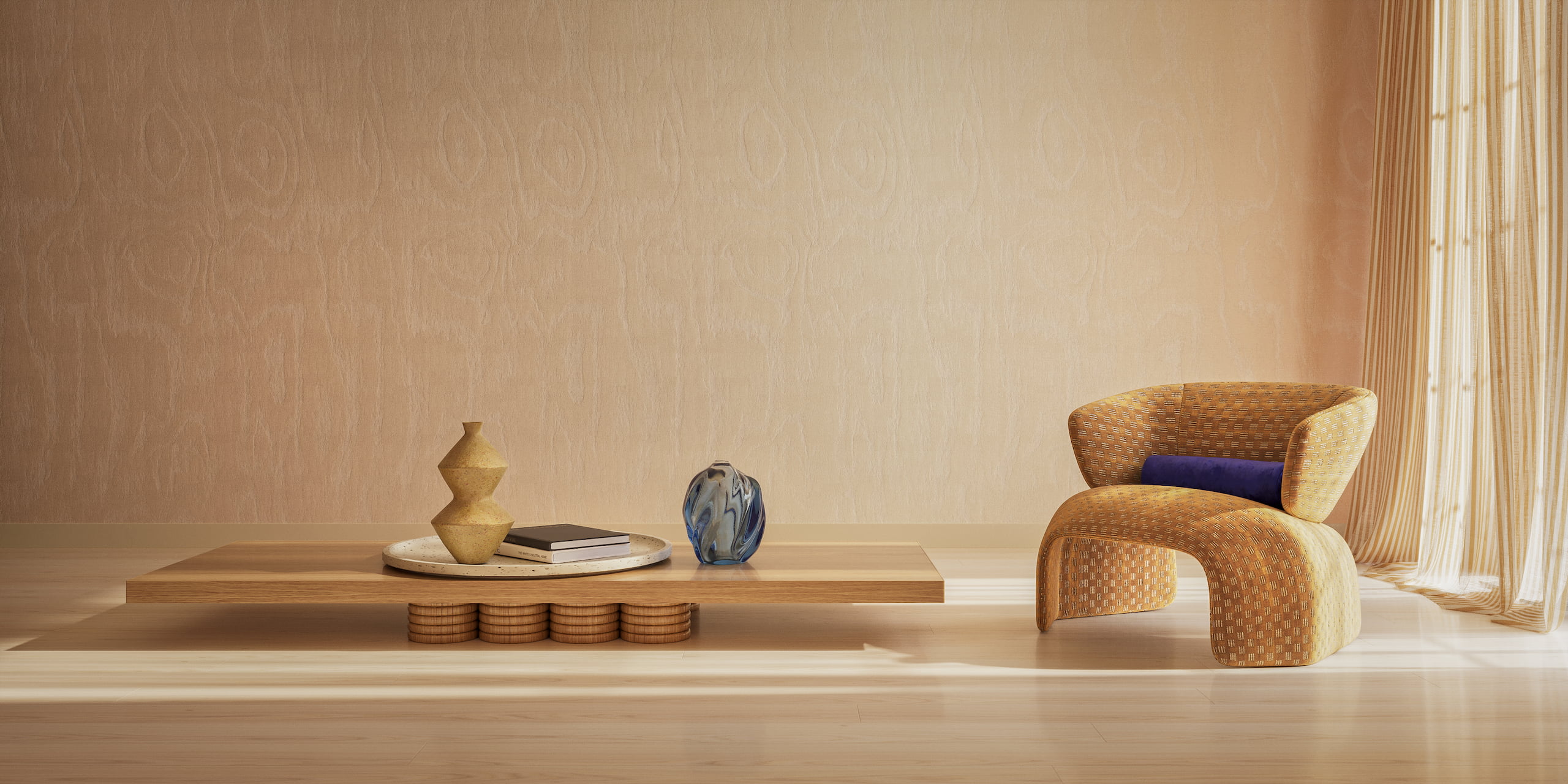
- CGI ServicesLifestyle Shots: Top 6 Types and Benefits for Furniture CatalogsLifestyle shots in a catalog are one of the most effective ways to expose the product’s benefits and, thus, boost sales immensely. A monochrome wall or a simple…
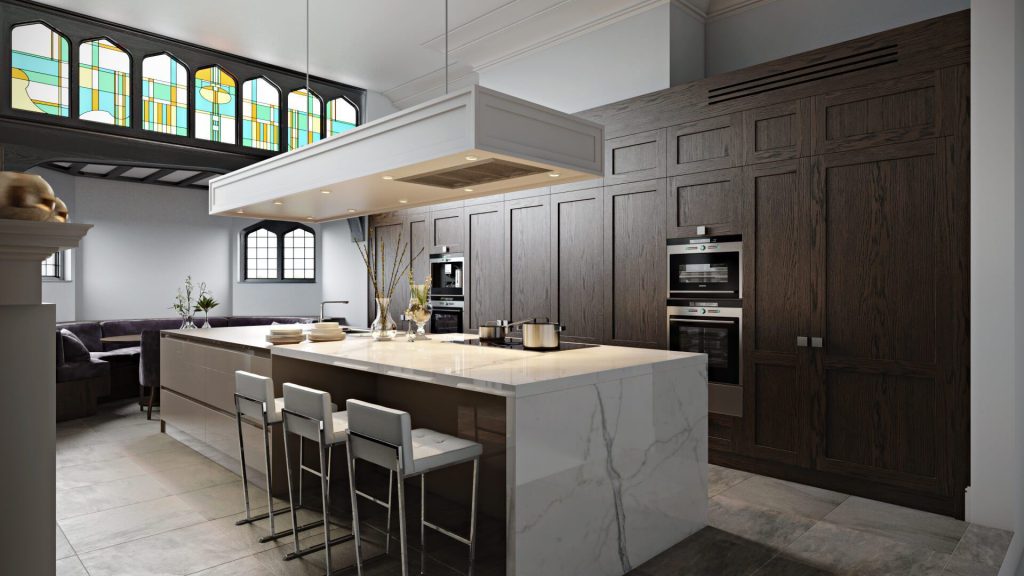
- CGI ServicesRealistic Furniture Rendering: How to Get Finishing Materials RightIn terms of product images for furniture promo and marketing, old-school photography has to give way to 3D furniture rendering. First and foremost, photo sessions are expensive because…

Resolving your questions before we begin
Answers to common questions
What industries do you work with?
We provide 3D visualization services across several industries. In particular, we work with product manufacturers, interior designers, e-commerce retailers, and advertising agencies.
What is product rendering, and how does it work?
Product rendering is the art of creating lifelike images of a product using 3D software instead of a camera. It gives you full control over how your product looks. A 3D artist can adjust anything from lighting and textures to background and angle. You don't even need a physical prototype for that.
The process starts with building a 3D model. This can be based on drawings, CAD files, or photo references. After that, the model is textured to show surface details and materials. Lighting is then added to match your brand’s style or real-world conditions.
Finally, the software renders the scene. Basically, it means turning the digital setup into a high-resolution image or animation. Want to learn more? Our 3D rendering blog dives into the full workflow, with real examples and expert tips.
How do I start a 3D rendering or animation project with you?
You can book a meeting with us to discuss your project and ask any questions. To do that, contact our manager via the chat on this page or click the Schedule a Demo button.
Will I be able to preview and approve drafts before final delivery?
Yes, absolutely. Before the project begins, your CGI team's manager will walk you through the main stages of the work. You will agree on the timeline, when you will receive drafts, and how you will share your feedback. This way, you stay involved at every step and can approve each stage before moving forward.
Can I request revisions during the project?
Yes, revisions are a standard part of our workflow. You can request changes at each stage of your 3D rendering project. If the total volume of corrections stays within 60% of the work, we include them at no extra cost. If the changes go beyond that, they are treated as a new task and charged separately.
Can you match my brand’s lighting, style, and mood in the renders?
Yes, absolutely. Our entire workflow is designed to ensure visual consistency and a fully on-brand look.
First, we will ask you to share references that reflect the style and mood you want. These, along with your project guidelines, are stored in your brand folder.
Second, you will always work with the same CGI team. They will know your preferences well, so you will not need to repeat instructions for every project. In practice, they function like your in-house team.
Third, your team will have a dedicated project manager and an art director assigned to it. They make sure each render meets your visual and technical standards.
Finally, if the project grows and requires more artists, your core team will onboard the new members. The project manager and art director will train them so that every detail follows your brand style.
Get the Commercial CGI & Product Rendering Guide for Marketing Directors
Everything you need to scale product content with CGI.
Get expert insights, real project examples, and strategies with proven ROI.
Fill out the form to receive the guide directly in your inbox.