
CGI Furniture Blog
Find out how to improve a product business with 3D rendering and modeling
- 3D Software3D Modeling Software for Furniture: 8 Best OptionsWith 3D images, 360 product view and animation taking the center stage in furniture marketing, 3D modeling for furniture is no longer a fancy option. 3D modeling is…
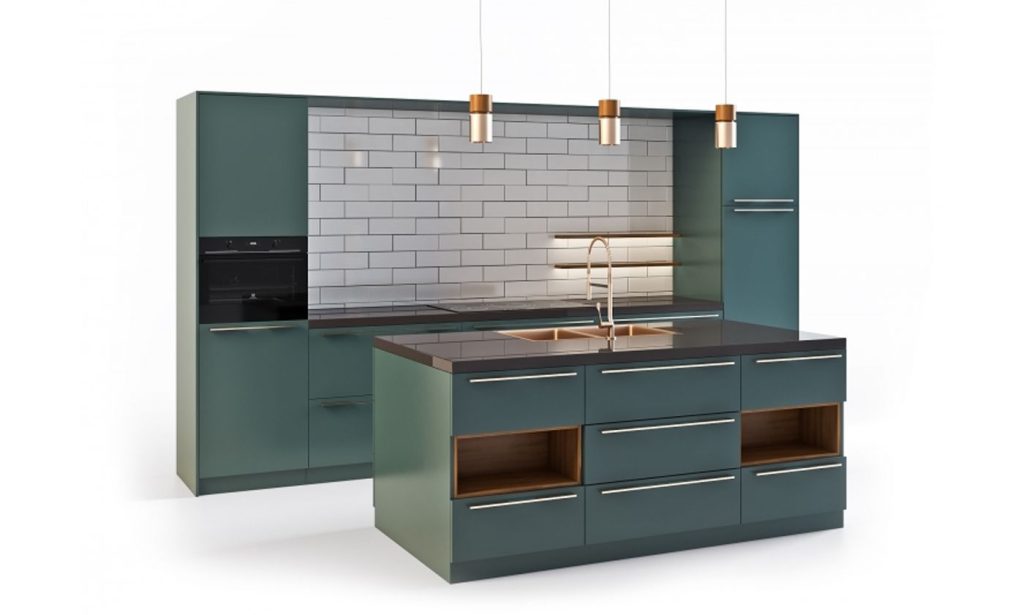
- CGI vs Photography3D Rendered Furniture vs Photographed Furniture: What Looks BetterWhen it comes to product presentation and promo campaigns, marketers and manufacturers are faced with a classic question — how to get jaw-dropping images using photography or 3D?…
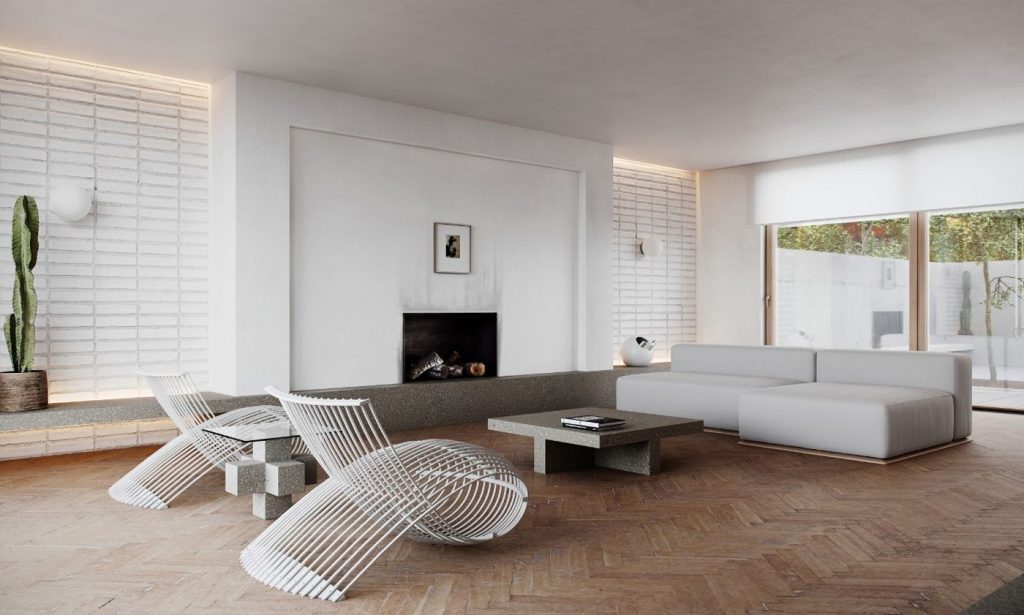
- CGI NewsE-Commerce Websites: How to Create a Thriving Online ShopIn today’s times, ecommerce websites are king – almost every other person now buys products via online stores and sales are set to reach $4.8 Trillion by 2021.…

- CGI NewsBest Ecommerce Platforms: Top-10 Sites for Selling Furniture ProductsIn 2019, the best e-commerce platforms together have generated $200B. This proves that furniture e-commerce has had massive progress in the last year. Multi-channel marketing is one of…
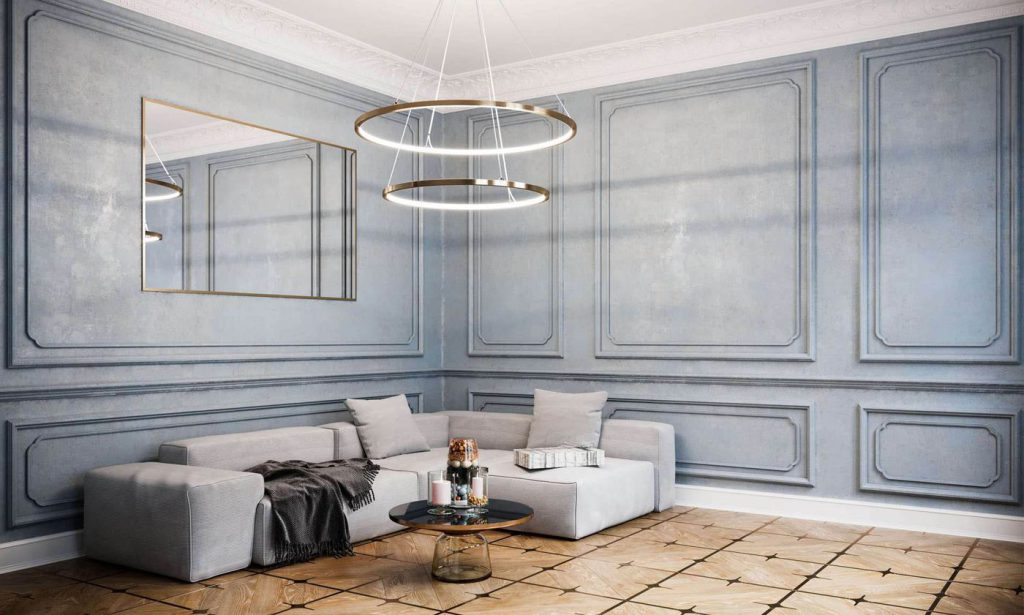
- CGI News3D Product Prototyping: How It Has Changed the Manufacturing Field3D product prototyping has changed the manufacturing industry in a way that was never thought possible. Powered by 3D printing technology, this method of prototyping offers greater flexibility…
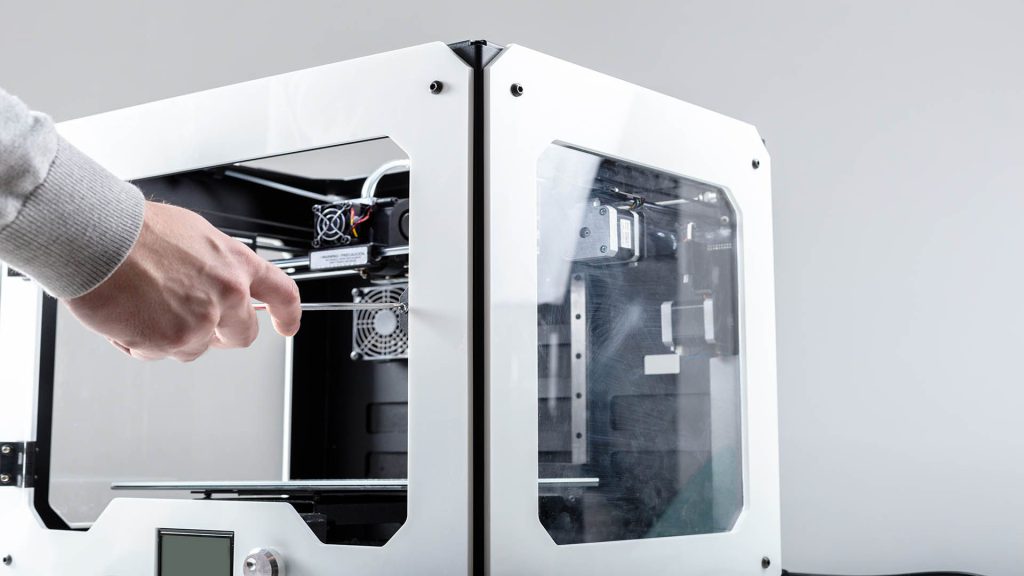
- CGI Services3D Product Presentation: 5 Visual Content Options for Superb PromotionIt’s not a secret that in the furniture industry, visual product presentations are pivotal. People simply need to see what they purchase. It just so happens that visuals…
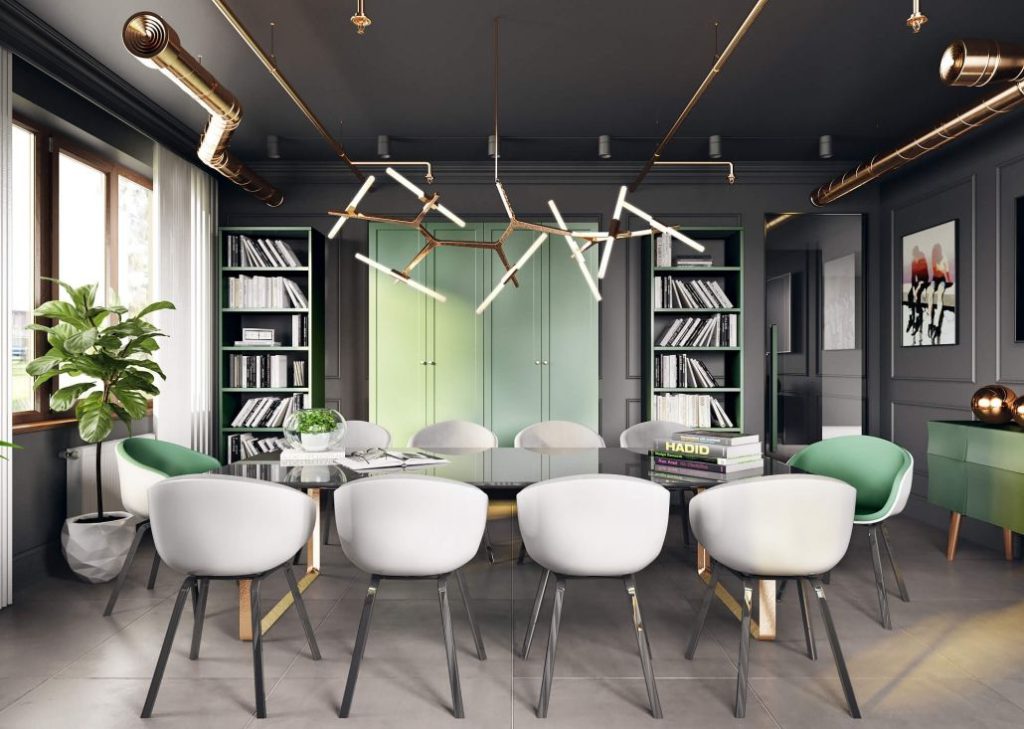
- CGI NewsMarketing Plan for Amazon: 7 Tips on How to Become a Successful Seller on the PlatformHaving a good marketing plan for Amazon is critical for business success on theplatform. Amazon receives two hundred and six million visitors every month fromall over the world.…

- CGI Services3D Product Design: 5 Advantages for the Development ProcessWhen developing products, manufacturers and designers usually create lots of transitional variants of all the designs. Traditionally, to understand which option is the best one, they order prototypes…

- Benefits of Product CGICustom 3d Modeling: 5 Reasons It Is Better than Simple Photos for Product PresentationCustom 3D modeling is a relatively new technology when compared to simple photosof products. Many people don’t understand it due to its relatively recent discovery. Some people consider…
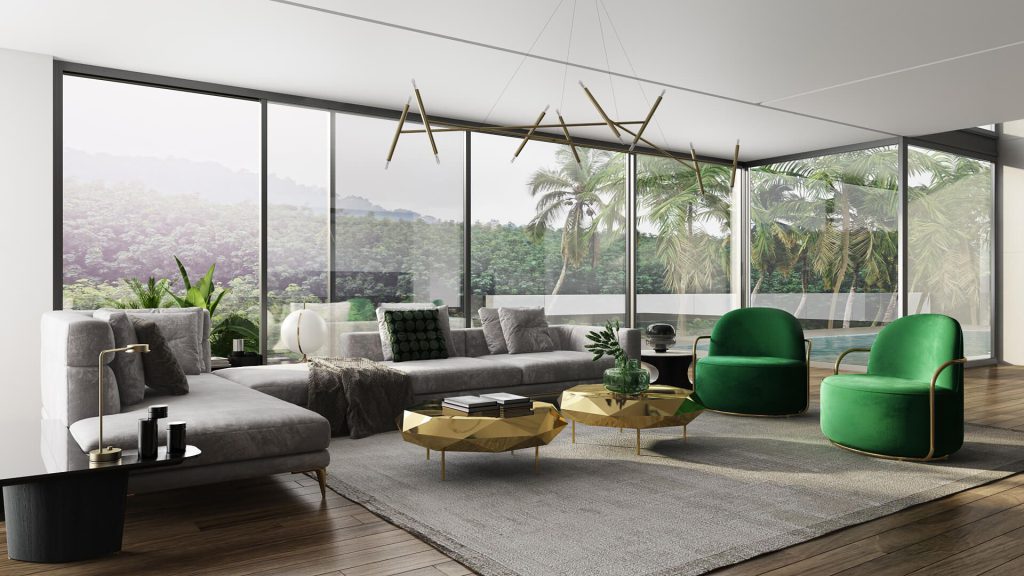
- CGI NewsOnline Retailing: 7 Myths About E-Commerce Business DebunkedEcommerce is a powerful sales-driving force today. By the year 2022, worldwideonline retailing is estimated to reach $6.5 trillion in sales per year. Moreover, according to Nasdaq, by…

- CGI ServicesFurniture Models: Downloading Free 3D Objects vs Ordering Custom OnesEvery furniture retailer, manufacturer and marketer strives to find the best furniture 3D models for promo visuals. The usual approach here is either searching for free stuff on…

- CGI ServicesPhotoreal Product Rendering: Still vs Motion SolutionsTo launch a successful promo campaign for a new product, marketers need a lot of visual materials, such as product photos on a white background, stylish roomsets, collages,…

- CGI NewsCgi in Marketing: 5 Powerful Promo Strategies for Driving Product SalesMany online furniture retailers have no identifiable marketing strategy, whichnegatively affects the customer experience. The latter has fast become a numberone priority of businesses and 2020 will continue…
Resolving your questions before we begin
Answers to common questions
What industries do you work with?
We provide 3D visualization services across several industries. In particular, we work with product manufacturers, interior designers, e-commerce retailers, and advertising agencies.
What is product rendering, and how does it work?
Product rendering is the art of creating lifelike images of a product using 3D software instead of a camera. It gives you full control over how your product looks. A 3D artist can adjust anything from lighting and textures to background and angle. You don't even need a physical prototype for that.
The process starts with building a 3D model. This can be based on drawings, CAD files, or photo references. After that, the model is textured to show surface details and materials. Lighting is then added to match your brand’s style or real-world conditions.
Finally, the software renders the scene. Basically, it means turning the digital setup into a high-resolution image or animation. Want to learn more? Our 3D rendering blog dives into the full workflow, with real examples and expert tips.
How do I start a 3D rendering or animation project with you?
You can book a meeting with us to discuss your project and ask any questions. To do that, contact our manager via the chat on this page or click the Schedule a Demo button.
Will I be able to preview and approve drafts before final delivery?
Yes, absolutely. Before the project begins, your CGI team's manager will walk you through the main stages of the work. You will agree on the timeline, when you will receive drafts, and how you will share your feedback. This way, you stay involved at every step and can approve each stage before moving forward.
Can I request revisions during the project?
Yes, revisions are a standard part of our workflow. You can request changes at each stage of your 3D rendering project. If the total volume of corrections stays within 60% of the work, we include them at no extra cost. If the changes go beyond that, they are treated as a new task and charged separately.
Can you match my brand’s lighting, style, and mood in the renders?
Yes, absolutely. Our entire workflow is designed to ensure visual consistency and a fully on-brand look.
First, we will ask you to share references that reflect the style and mood you want. These, along with your project guidelines, are stored in your brand folder.
Second, you will always work with the same CGI team. They will know your preferences well, so you will not need to repeat instructions for every project. In practice, they function like your in-house team.
Third, your team will have a dedicated project manager and an art director assigned to it. They make sure each render meets your visual and technical standards.
Finally, if the project grows and requires more artists, your core team will onboard the new members. The project manager and art director will train them so that every detail follows your brand style.
Get the Commercial CGI & Product Rendering Guide for Marketing Directors
Everything you need to scale product content with CGI.
Get expert insights, real project examples, and strategies with proven ROI.
Fill out the form to receive the guide directly in your inbox.