
CGI Furniture Blog
Find out how to improve a product business with 3D rendering and modeling
- Product MarketingDigital Marketing for Furniture Business: the Ins and OutsThe furniture business is one of the oldest in the world, and it’s still going strong. But if you’re a furniture maker or retailer, you know it’s not…
- Case StudiesBathroom Products CGI Projects: 3 Case Studies at CGIFurnitureGlobal competition, including the e-commerce industry, is rampant in today’s digital age. A carefully planned visual marketing strategy will ensure your business is one of the leaders. Product…

- Product CGIFurniture Product Rendering Ideas: 8 Ways to Make Your Visuals More ImpactfulThe main goal of furniture renderings is, of course, to provide a potentialcustomer with information about the product. But in an oversaturated andcompetitive market, it’s not enough. You…
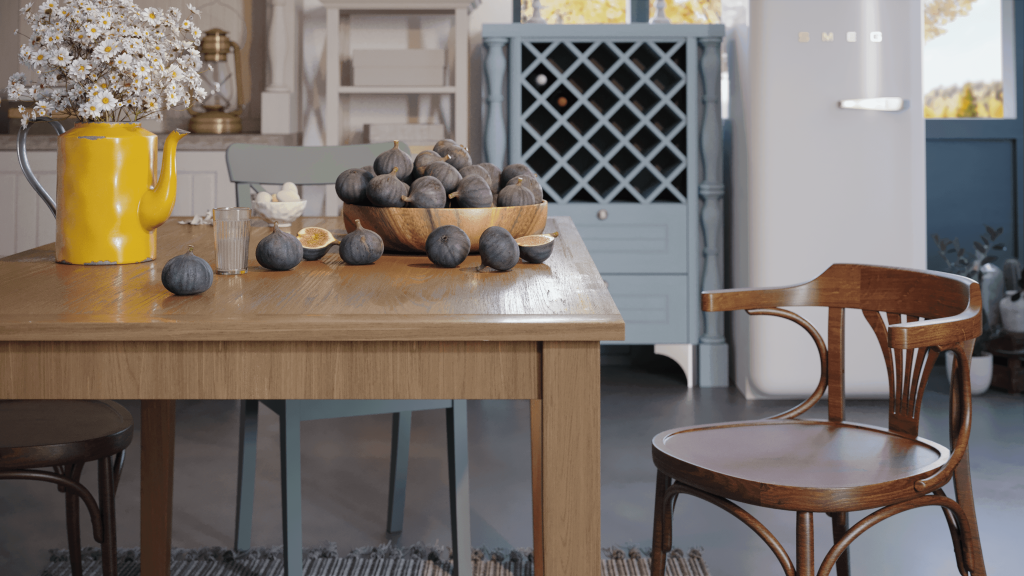
- CGI TerminologyConcept Lifestyle Image: What You Need to Know About Creative Product 3d ShotsIn e-commerce, product photos are both essential and tricky to produce. CGI(computer-generated imagery) is a technology that allows you to create images ofitems in any setting and context.…
- Product MarketingHow to Improve Customer Touchpoints for Furniture E-Commerce BusinessCustomer touchpoints are the various contact points your customers have with your brand. They can be physical or digital and can happen before, during, or after a purchase.
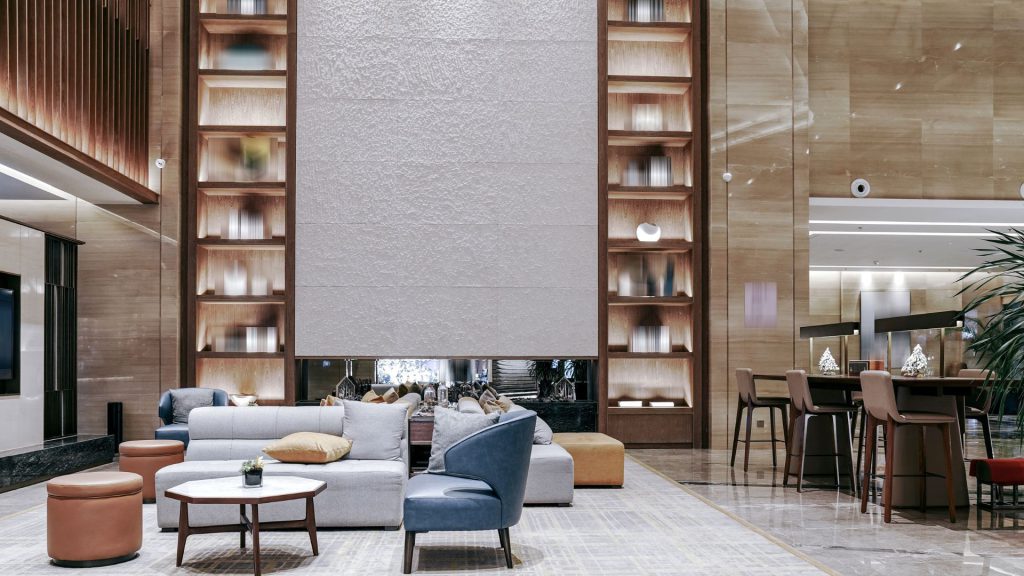
- Product Marketing20 Best Types of CG Content for Social Media: Furniture Promo IdeasSocial media has been one of the most critical aspects of marketing for many years. Everyone understands the power of social media marketing (SMM) to reach their target…

- CGI TerminologyScale Lifestyle Shot: What It Is and Why It Is Beneficial for Product PromoCG product shots are a great innovation in product marketing. They offer arealistic “look and feel” of the goods in a couple of days without breaking thebank.

- CGI ServicesCGI Services at CGIFurniture: 7 Must-Read Blog PostsEvery day innovative marketers are making more attractive product presentationswith the use of three dimensions, which generate traffic, engage, and help theimpressionability of sales. 3D experiences on the…
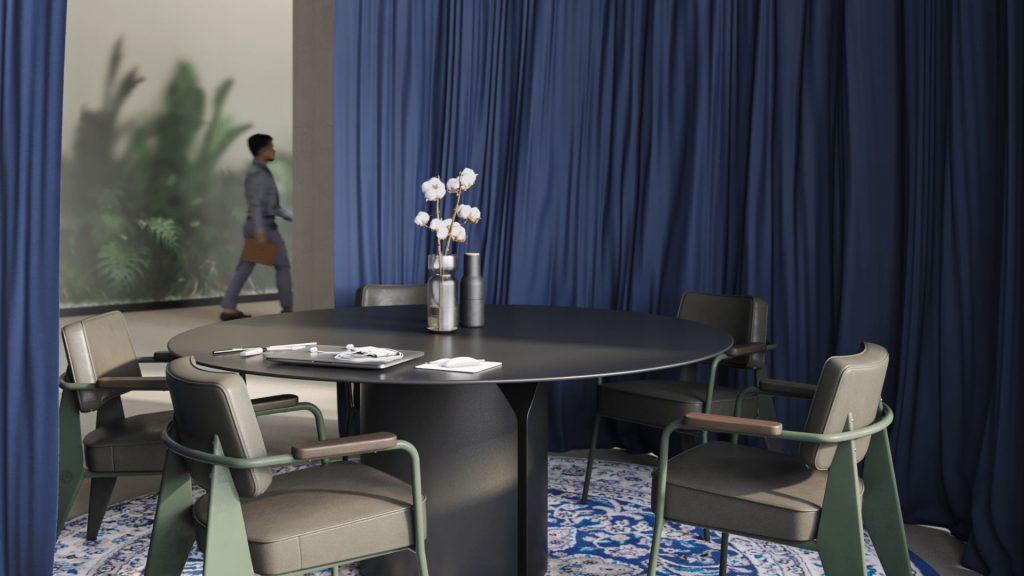
- CGI TerminologyGroup Lifestyle Shot: What It Is and How to Use It for Product PromoManufacturers, retailers, and marketers looking for new ways to promote theirproducts often need help choosing the right representation strategy. Nowadays,more and more companies tend to use 3D lifestyle…
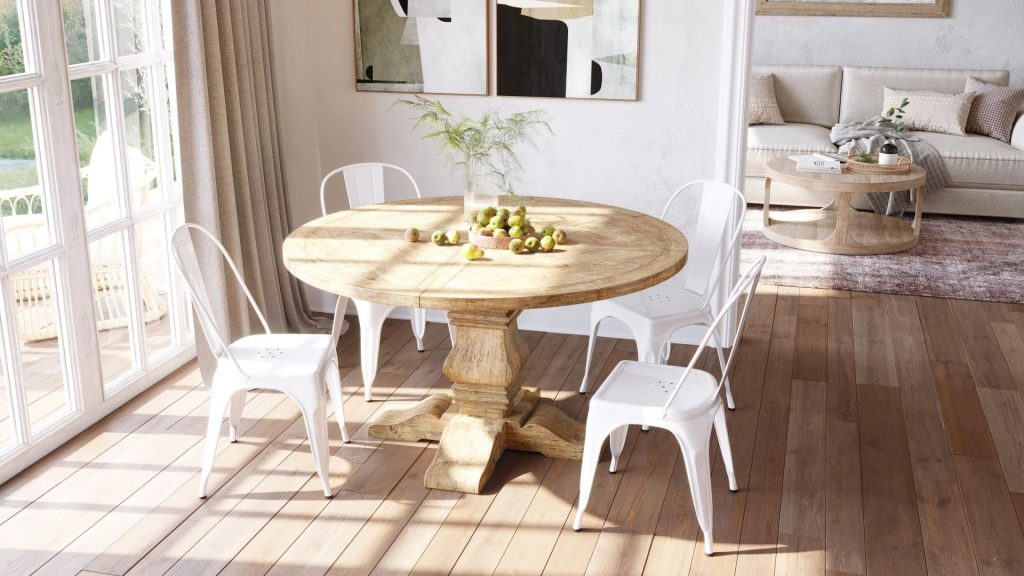
- Case StudiesTables and Chairs CGI Projects: 5 Case Studies at CGIFurnitureFurniture manufacturers need new strategies to boost their online presence in acompetitive world of retail. When we talk about brand promotion, CGI projectsare one of the most valuable…

- CGI ServicesCamera Shots in Animation: 7 Most Used Views in Promo Product VideosThe camera shots in animation are one of the most critical parts. A good shotcan make an audience feel like they’re a part of what is going on…

- Case StudiesCabinet Furniture CGI Projects: 3 CGIFurniture Case StudiesCGI is an essential step in any product design project. It helps you visualizeyour ideas and concepts and communicate them to the public, investors, clients,and partners. On top…
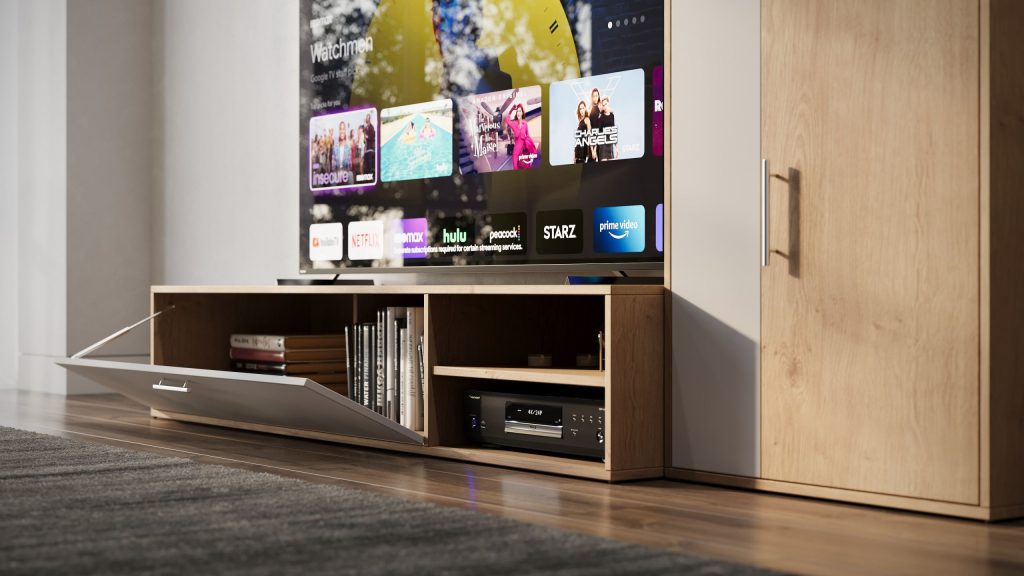
- Product 3D Modeling3D Product Modeling Cost: How to Get High-Quality Models for Less MoneyAn increasing number of people shop online, and so furniture manufacturers and marketers face the challenge of producing high-quality visuals of their products. Whether it’s simple silos for…
Resolving your questions before we begin
Answers to common questions
What industries do you work with?
We provide 3D visualization services across several industries. In particular, we work with product manufacturers, interior designers, e-commerce retailers, and advertising agencies.
What is product rendering, and how does it work?
Product rendering is the art of creating lifelike images of a product using 3D software instead of a camera. It gives you full control over how your product looks. A 3D artist can adjust anything from lighting and textures to background and angle. You don't even need a physical prototype for that.
The process starts with building a 3D model. This can be based on drawings, CAD files, or photo references. After that, the model is textured to show surface details and materials. Lighting is then added to match your brand’s style or real-world conditions.
Finally, the software renders the scene. Basically, it means turning the digital setup into a high-resolution image or animation. Want to learn more? Our 3D rendering blog dives into the full workflow, with real examples and expert tips.
How do I start a 3D rendering or animation project with you?
You can book a meeting with us to discuss your project and ask any questions. To do that, contact our manager via the chat on this page or click the Schedule a Demo button.
Will I be able to preview and approve drafts before final delivery?
Yes, absolutely. Before the project begins, your CGI team's manager will walk you through the main stages of the work. You will agree on the timeline, when you will receive drafts, and how you will share your feedback. This way, you stay involved at every step and can approve each stage before moving forward.
Can I request revisions during the project?
Yes, revisions are a standard part of our workflow. You can request changes at each stage of your 3D rendering project. If the total volume of corrections stays within 60% of the work, we include them at no extra cost. If the changes go beyond that, they are treated as a new task and charged separately.
Can you match my brand’s lighting, style, and mood in the renders?
Yes, absolutely. Our entire workflow is designed to ensure visual consistency and a fully on-brand look.
First, we will ask you to share references that reflect the style and mood you want. These, along with your project guidelines, are stored in your brand folder.
Second, you will always work with the same CGI team. They will know your preferences well, so you will not need to repeat instructions for every project. In practice, they function like your in-house team.
Third, your team will have a dedicated project manager and an art director assigned to it. They make sure each render meets your visual and technical standards.
Finally, if the project grows and requires more artists, your core team will onboard the new members. The project manager and art director will train them so that every detail follows your brand style.
Get the Commercial CGI & Product Rendering Guide for Marketing Directors
Everything you need to scale product content with CGI.
Get expert insights, real project examples, and strategies with proven ROI.
Fill out the form to receive the guide directly in your inbox.