
CGI Furniture Blog
Find out how to improve a product business with 3D rendering and modeling
- Benefits of Product CGIHow to Present Product Features with the Help of CGI: A Short GuideIt’s not a secret that presenting a product in the best light is incrediblyimportant for the furniture industry. Producing the right visuals for this goal,however, has proven to…

- Product Marketing3D Commerce: How It Became the Biggest Trend in RetailIn the rapidly changing world of online retail, businesses must stay ahead ofthe curve to achieve success. Brands have to be flexible and leverage new waysof marketing and…

- CGI NewsTypes of Engaging Content Product CGI Provides for Furniture BrandsCGI (computer-generated imagery) can help produce diverse types of engagingcontent for furniture brands. These content types can include 3D animatedshowcases, high-resolution renders, interactive models, and augmented reality(AR) experiences.…

- CGI NewsTop Furniture Trade Shows and Exhibitions: 15 Choices for 2026The new season of exhibitions is here, and furniture manufacturers are already getting ready to participate in the key events of 2026, sometimes 2027. What will they showcase?

- CGI ServicesOutdoor 3D Rendering: 5 Lifestyle Options for Outdoor Furniture ProductsLifestyle outdoor photos are indispensable marketing materials. They convey acertain mood and thus create an emotional connection with the customer from theget-go. However, organizing open-air photosets can be…

- Product 3D ModelingBasics of 3D Modelling: 5 Things You Need to Know Before Ordering Product 3d ModelsHave you ever wondered about the magic behind those stunning images in ads? The enigma of sunning visual marketing is apprehending the basics of 3D modelling that opens…

- CGI ServicesProduct Explainer Videos: Why You Need 3d Animation for ThemCaptivating visuals are essential for capturing the fleeting attention of thecustomer. If people get a clear picture of how the product works, they are morelikely to purchase it.…

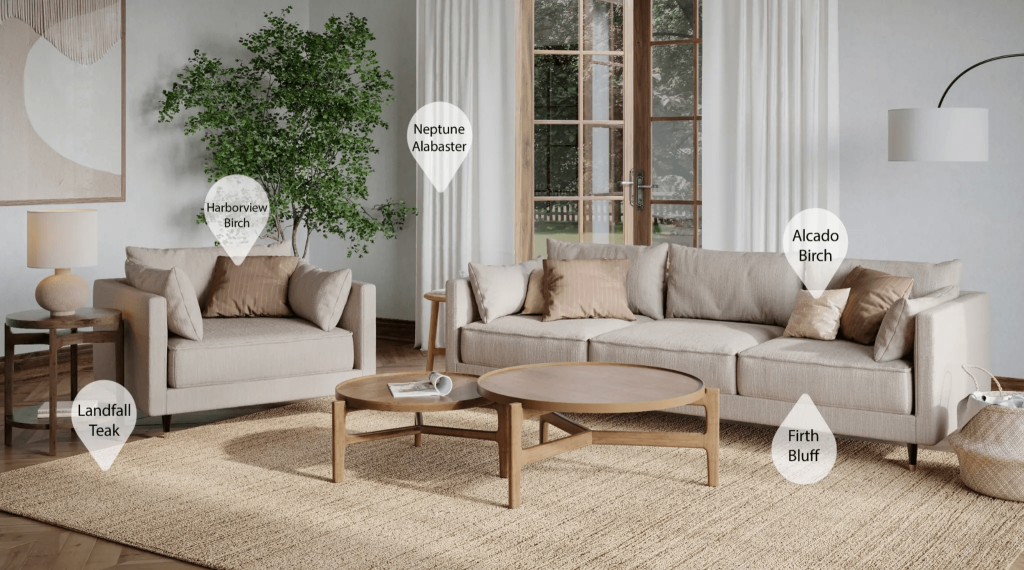
- Product MarketingShoppable Imagery: A Guide to Visual Content that Turns Into SalesShoppable imagery quickly became a game-changer in the e-commerce industry. Itenhances the shopping experience by making it more convenient and interactivefor users. This innovation reshaped how businesses connect…
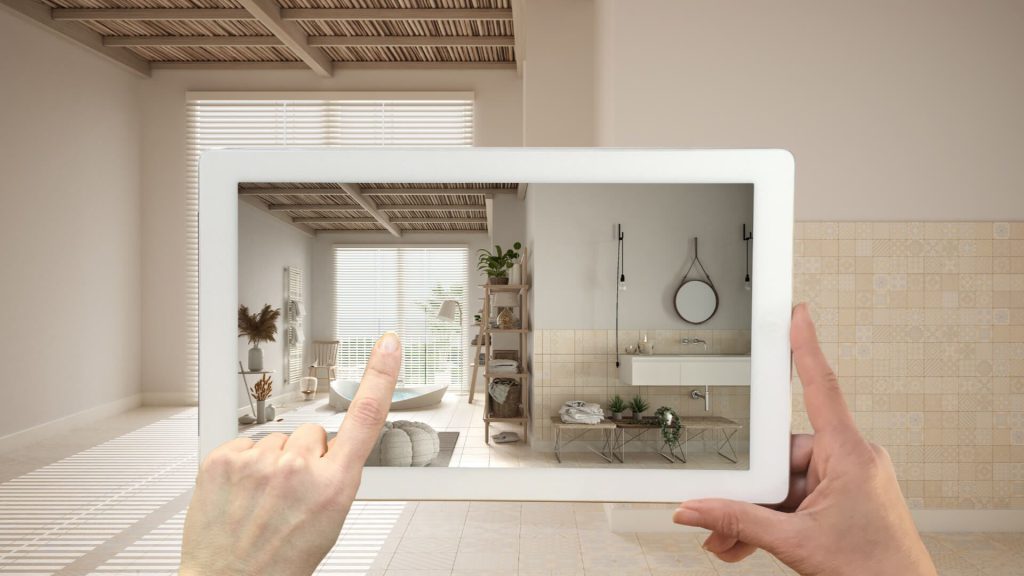
- CGI NewsWeb-Based Augmented Reality: Advantages vs DisadvantagesWeb-Based Augmented Reality (WebAR) has arisen as a groundbreaking technology, mixing virtual elements with the natural world in users’ web browsers.
- Product MarketingContent Ideas for Products: 6 Types of Images for Social Media MarketingVisual content ideas for products hold the power that can make all thedifference in cutting through the social media “noise” and capturing theattention of potential customers. We selected…

- CGI ServicesProfessional 3D Modeling vs Standard 3D Modeling: 7 DifferencesProfessional 3D modeling is revolutionizing the e-commerce landscape, especially for forward-thinking marketing agencies, furniture companies, home decor brands, and other product-centric businesses. This cutting-edge approach elevates product presentations…

- CGI ServicesDifference Between CGI and Compositing for Furniture Images: Benefits and DisadvantagesIn product marketing, the modern and effective alternative to traditionalphotography is digital imagery. It can be obtained through two options: 3Dvisualization and compositing. Both methods share similarities in…

- Product Marketing5 Engaging Content Ideas for Social Media of Furniture BrandsFor ambitious furniture brands, showcasing professionalism, product quality, and design in a creative and engaging way is a surefire way to stand out. That’swhere the art of 3D…

Resolving your questions before we begin
Answers to common questions
What industries do you work with?
We provide 3D visualization services across several industries. In particular, we work with product manufacturers, interior designers, e-commerce retailers, and advertising agencies.
What is product rendering, and how does it work?
Product rendering is the art of creating lifelike images of a product using 3D software instead of a camera. It gives you full control over how your product looks. A 3D artist can adjust anything from lighting and textures to background and angle. You don't even need a physical prototype for that.
The process starts with building a 3D model. This can be based on drawings, CAD files, or photo references. After that, the model is textured to show surface details and materials. Lighting is then added to match your brand’s style or real-world conditions.
Finally, the software renders the scene. Basically, it means turning the digital setup into a high-resolution image or animation. Want to learn more? Our 3D rendering blog dives into the full workflow, with real examples and expert tips.
How do I start a 3D rendering or animation project with you?
You can book a meeting with us to discuss your project and ask any questions. To do that, contact our manager via the chat on this page or click the Schedule a Demo button.
Will I be able to preview and approve drafts before final delivery?
Yes, absolutely. Before the project begins, your CGI team's manager will walk you through the main stages of the work. You will agree on the timeline, when you will receive drafts, and how you will share your feedback. This way, you stay involved at every step and can approve each stage before moving forward.
Can I request revisions during the project?
Yes, revisions are a standard part of our workflow. You can request changes at each stage of your 3D rendering project. If the total volume of corrections stays within 60% of the work, we include them at no extra cost. If the changes go beyond that, they are treated as a new task and charged separately.
Can you match my brand’s lighting, style, and mood in the renders?
Yes, absolutely. Our entire workflow is designed to ensure visual consistency and a fully on-brand look.
First, we will ask you to share references that reflect the style and mood you want. These, along with your project guidelines, are stored in your brand folder.
Second, you will always work with the same CGI team. They will know your preferences well, so you will not need to repeat instructions for every project. In practice, they function like your in-house team.
Third, your team will have a dedicated project manager and an art director assigned to it. They make sure each render meets your visual and technical standards.
Finally, if the project grows and requires more artists, your core team will onboard the new members. The project manager and art director will train them so that every detail follows your brand style.

Get the Commercial CGI & Product Rendering Guide for Marketing Directors
Everything you need to scale product content with CGI.
Get expert insights, real project examples, and strategies with proven ROI.
Fill out the form to receive the guide directly in your inbox.