
CGI Furniture Blog
Find out how to improve a product business with 3D rendering and modeling
- Case StudiesOutdoor Furniture 3D Renders: 10 Best CG Images by CGIFurnitureIn the age of visual marketing, businesses ought to do everything they can to present customers with attractive product pictures. Outdoor furniture manufacturers, for instance, have to use…

- Product CGIRealistic 3D Product Modeling: What Makes It So Impressively Life-LikeIn today’s digital world, realistic 3D product modeling is an indispensable tool for various industries. In the furniture business, 3D modeling comes in handy at all the stages…
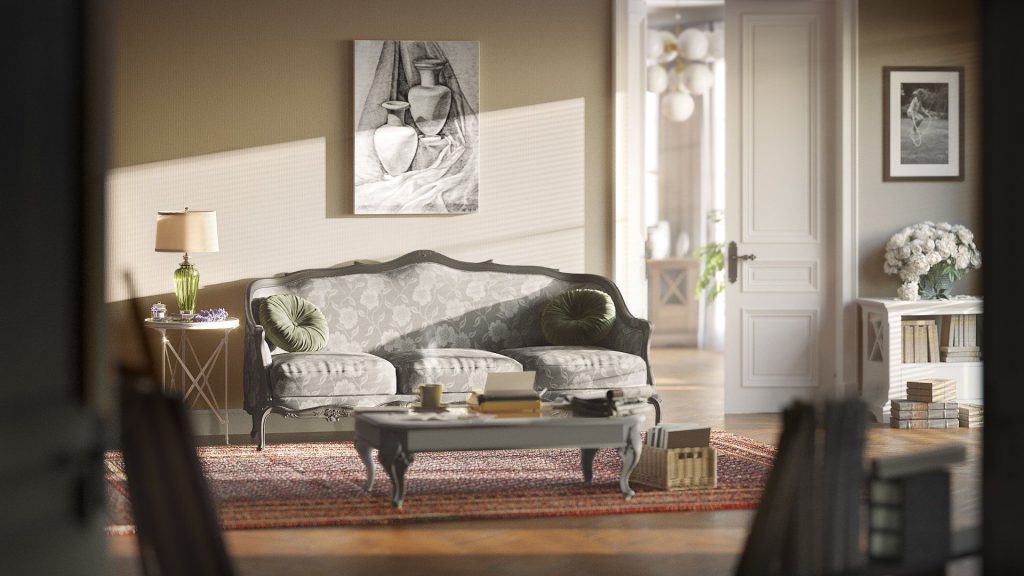
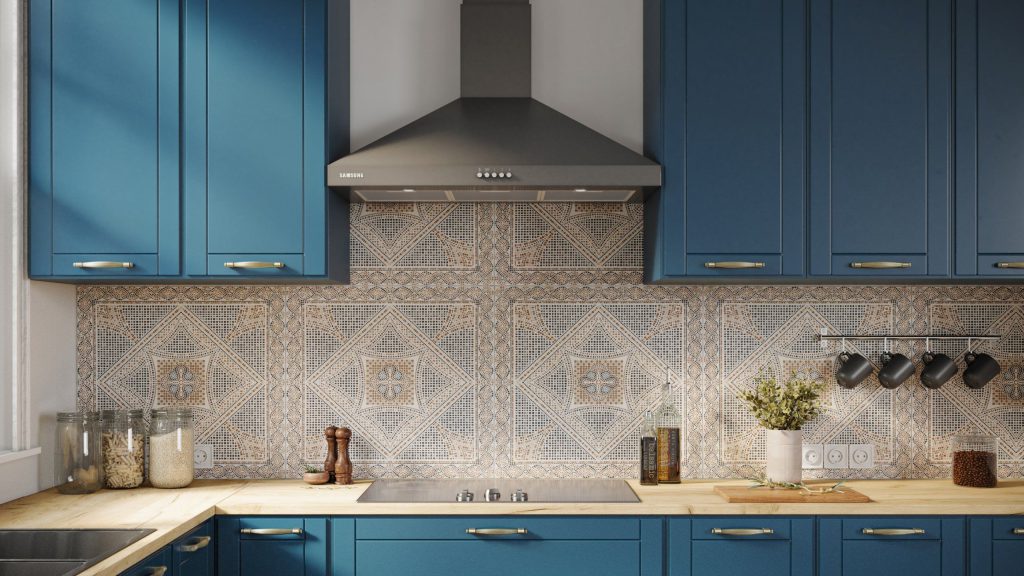
- CGI Services3D Kitchen Rendering: How to Use It for Selling Kitchen FurnitureMany manufacturers and retailers have switched to eCommerce, thereby making the shopping process both easier and a bit trickier at the same time. When buying kitchen furniture online,…
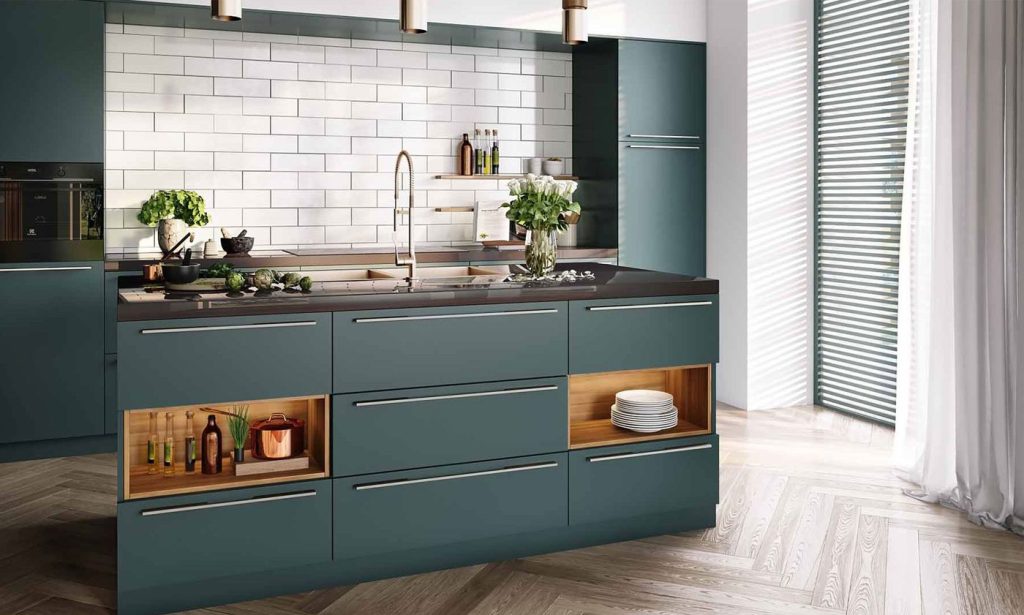
- 3D Visualization ProcessHow to Create 3D Product Images: 8-Step GuideManufacturers and retailers know that outstanding product images are essential for promo and sales, but at the same time, they don’t want to spend plenty of money on…

- CGI StudiosProfessional Product Rendering: Outsource CGI Studios or Freelance 3D ArtistsProfessional product rendering provides manufacturers with the most amazing images for marketing campaigns. What’s more, outsourcing CGI doesn’t require too much time and effort. The only question is…
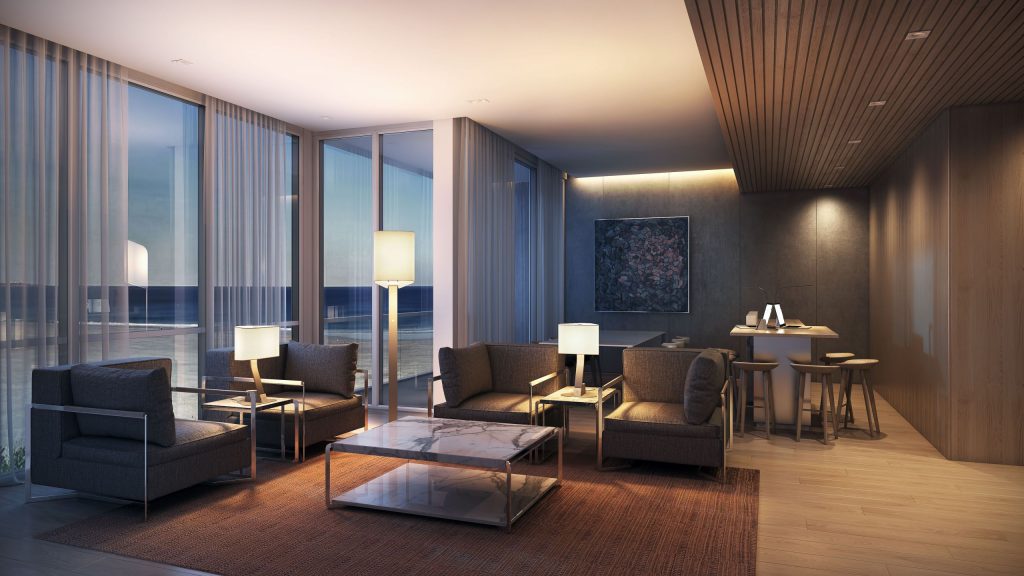
- 3D Visualization Process360° Product Video: 5 Benefits for EcommerceDue to the ever-increasing transition of all brands to eCommerce, manufacturers and marketers have to constantly improve the digital presentation of their products. To attract modern buyers, you…

- CGI ServicesE-Commerce Product Videos: Top-10 AnimationsHow do you capture attention in an age when attention span is extremely short, with a lot of competition? Nowadays, video has dominated most of the major social…

- CGI Studios3D Visualization for Product Companies: 7 Things Marketers Should Know Before Ordering Visuals3D visualization for product sales and marketing slowly supplants traditional photography. High quality, convenience, creativity, and relatively low cost have won over many businesses. However, there are many…
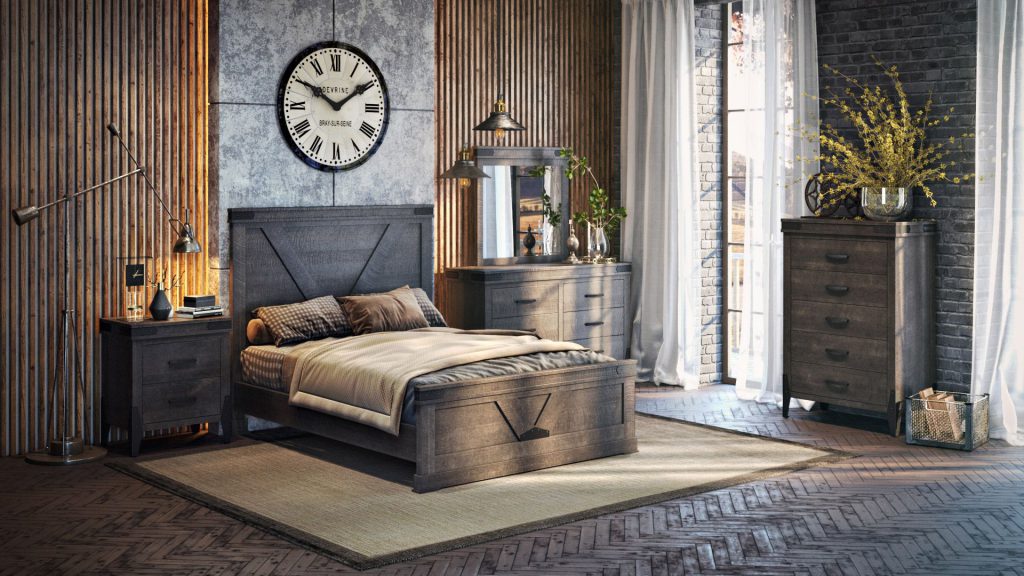
- CGI Terminology13 Types of Product Images: a Guide to CGI Views that Help Sell Furniture OnlineWhen it comes to the variety of product image views, furniture makers that are used to traditional photography often believe the options there are limited. And that comes…

- E-commerce TrendsWhere to Sell Furniture Online: 10 Best Ecommerce Platforms for ManufacturersIf one thinks of places where to sell furniture online, partnering withe Commerce platforms is a way to go. Firstly, by collaborating with e-stores, furniture manufacturers get access…

- CGI ServicesProduct Animation: 5 Creative Promo IdeasToday, many manufacturers use CGI services and the market is overflooded with stunning product images in which the goods look fantastic and simply appealing. Therefore, aspiring marketers have…
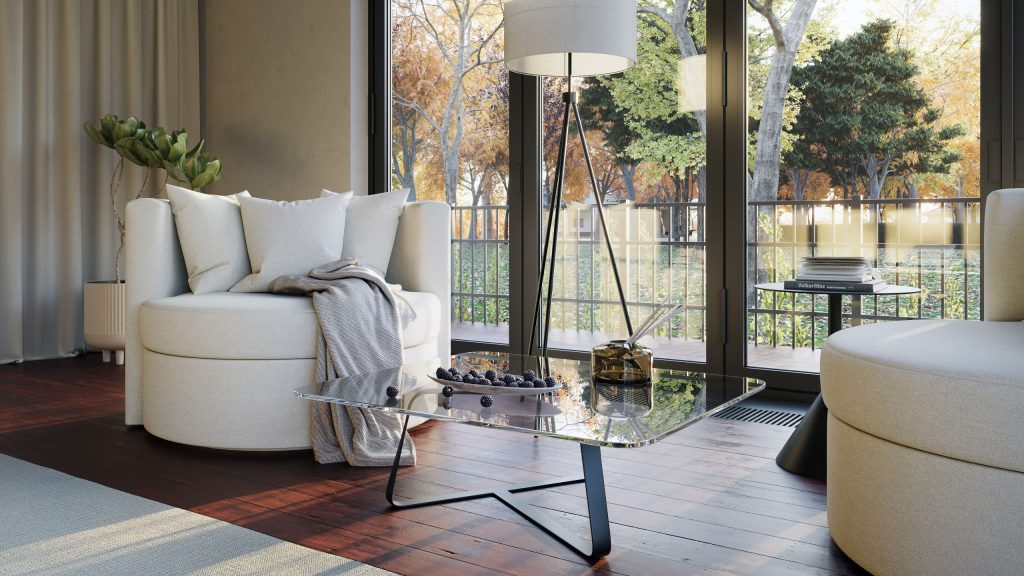
- UncategorizedCGI vs AI for Furniture & Interior Brands: What to Use in 2026If you’re selling furniture or interior products in 2026, you’ve definitely seen two technologies that dominate every visual content conversation: CGI and AI. Both offer excellent images. Both…

- Product MarketingHome Appliances Marketing Strategy: 10 Expert Tips to Boost Sales and VisibilityThe home appliance market is highly competitive, with global brands and nicheinnovators constantly launching new products. In such a crowded field, standing out requires more than just superior…
Resolving your questions before we begin
Answers to common questions
What industries do you work with?
We provide 3D visualization services across several industries. In particular, we work with product manufacturers, interior designers, e-commerce retailers, and advertising agencies.
What is product rendering, and how does it work?
Product rendering is the art of creating lifelike images of a product using 3D software instead of a camera. It gives you full control over how your product looks. A 3D artist can adjust anything from lighting and textures to background and angle. You don't even need a physical prototype for that.
The process starts with building a 3D model. This can be based on drawings, CAD files, or photo references. After that, the model is textured to show surface details and materials. Lighting is then added to match your brand’s style or real-world conditions.
Finally, the software renders the scene. Basically, it means turning the digital setup into a high-resolution image or animation. Want to learn more? Our 3D rendering blog dives into the full workflow, with real examples and expert tips.
How do I start a 3D rendering or animation project with you?
You can book a meeting with us to discuss your project and ask any questions. To do that, contact our manager via the chat on this page or click the Schedule a Demo button.
Will I be able to preview and approve drafts before final delivery?
Yes, absolutely. Before the project begins, your CGI team's manager will walk you through the main stages of the work. You will agree on the timeline, when you will receive drafts, and how you will share your feedback. This way, you stay involved at every step and can approve each stage before moving forward.
Can I request revisions during the project?
Yes, revisions are a standard part of our workflow. You can request changes at each stage of your 3D rendering project. If the total volume of corrections stays within 60% of the work, we include them at no extra cost. If the changes go beyond that, they are treated as a new task and charged separately.
Can you match my brand’s lighting, style, and mood in the renders?
Yes, absolutely. Our entire workflow is designed to ensure visual consistency and a fully on-brand look.
First, we will ask you to share references that reflect the style and mood you want. These, along with your project guidelines, are stored in your brand folder.
Second, you will always work with the same CGI team. They will know your preferences well, so you will not need to repeat instructions for every project. In practice, they function like your in-house team.
Third, your team will have a dedicated project manager and an art director assigned to it. They make sure each render meets your visual and technical standards.
Finally, if the project grows and requires more artists, your core team will onboard the new members. The project manager and art director will train them so that every detail follows your brand style.

Get the Commercial CGI & Product Rendering Guide for Marketing Directors
Everything you need to scale product content with CGI.
Get expert insights, real project examples, and strategies with proven ROI.
Fill out the form to receive the guide directly in your inbox.