
CGI Furniture Blog
Find out how to improve a product business with 3D rendering and modeling
- CGI NewsFurniture Ecommerce: 7-Step Guide to Launching an Online StoreIn the era of the Internet and various platforms, remote shopping has become more popular and used. This format makes it easier to reach a much larger audience…

- CGI NewsFurniture Ecommerce Website in 2025: Top-10Best ecommerce for furniture has seen remarkable growth in recent years. Global online sales now top $6.5 trillion, with over 4.1 billion people shopping online. In the US…
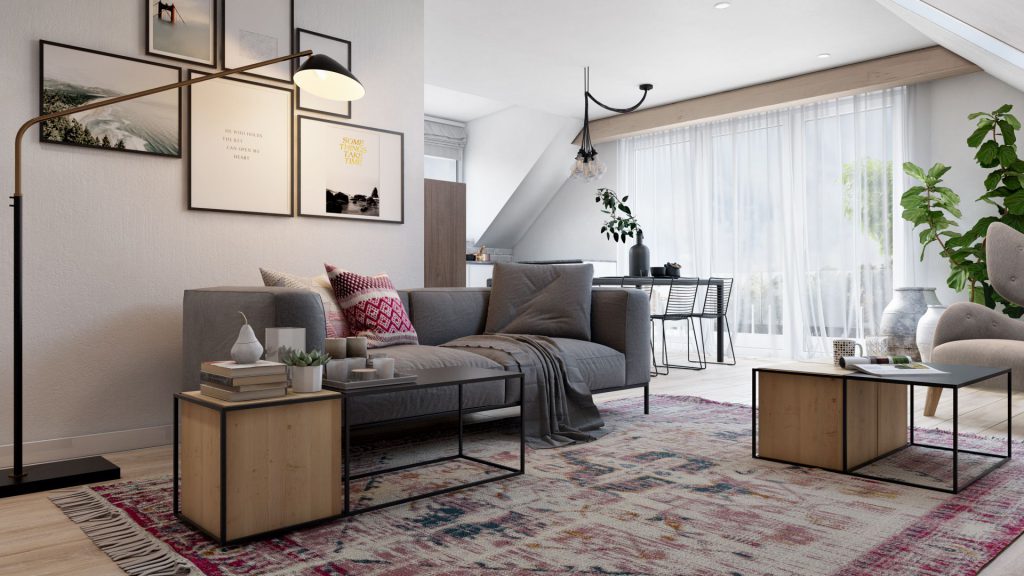
- UncategorizedLifestyle Pictures: 5 Keys To Composition Of Product 3D ImagesMost furniture makers use lifestyle pictures to show their products in an appealing context. And 3D modeling and rendering technology have made stylish visuals way more affordable both…

- CGI NewsEcommerce for Furniture: How to Sell Furniture Online SuccessfullyEcommerce for furniture has been growing by leaps and bounds. From large and established businesses to small and niche ones, retailers are increasingly resorting to ecommerce as a…

- CGI ServicesDigital Rendering For Furniture: 6 Sure Ways To Leave Competitors BehindDigital rendering for furniture is an innovative marketing technique that is conquering the online world at the speed of light. Why is it in such high demand nowadays?…

- Benefits of Product CGIProduct 3D Visualization: Why Do You Need It for Promotion CampaignsIn the domain of furniture production and sales, a compelling visual contentintroducing the goods is king. First of all, it’s simply because the human brainprocesses images 60 000…

- CGI News3D Model for Printing: 7 Reasons Furniture Manufactures Should Try ItProduct 3D printing has been around for over a decade and has made its way intovarious industries, including furniture design. At the core of this technologyis 3D modeling,…

- CGI TerminologyHero Shot: 5 Features that Make This Product Image a Great Promo ToolOur media space is oversaturated with advertising on all channels. Socialnetworks, shopping platforms, mobile apps, and even weather websites providemore and more native ads or pop-up banners. How…

- CGI ServicesCreate a 3d Model From a Photo: 5 Step-by-Step GuideUsing 3D modeling and rendering has become a usual approach to product design and marketing. For more than a decade manufacturers and marketers have utilized 3D imagery for…
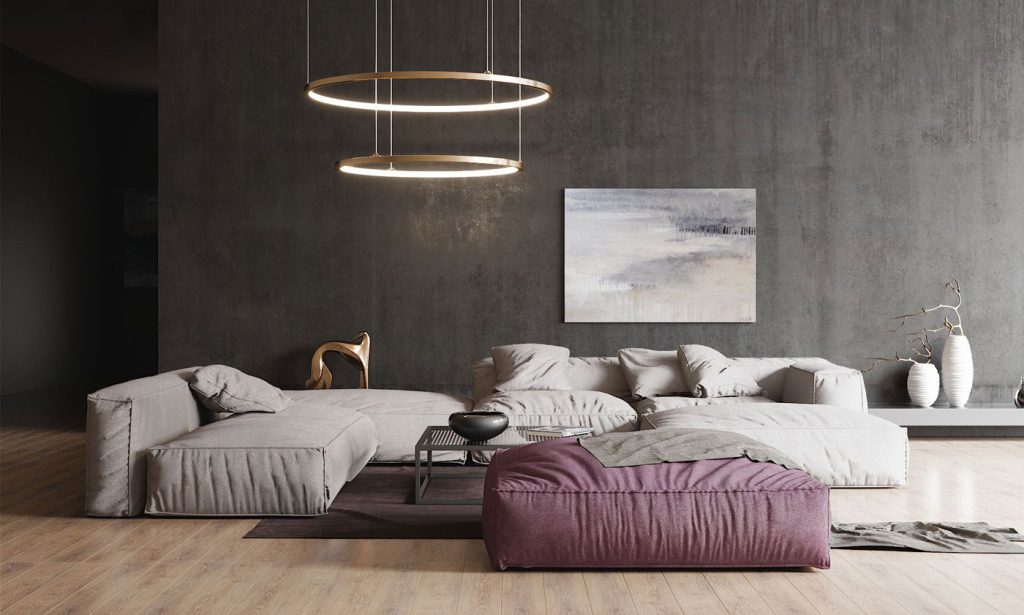
- CGI Studios3D Rendering for Outsourcing: 5 Ways to Use It EffectivelyOutsourced services have proved to be efficient in many domains, including 3Drendering. Full-fledged, intellectual power, time flexibility, and high-endperformance are concentrated in one place and available 24/7 to…
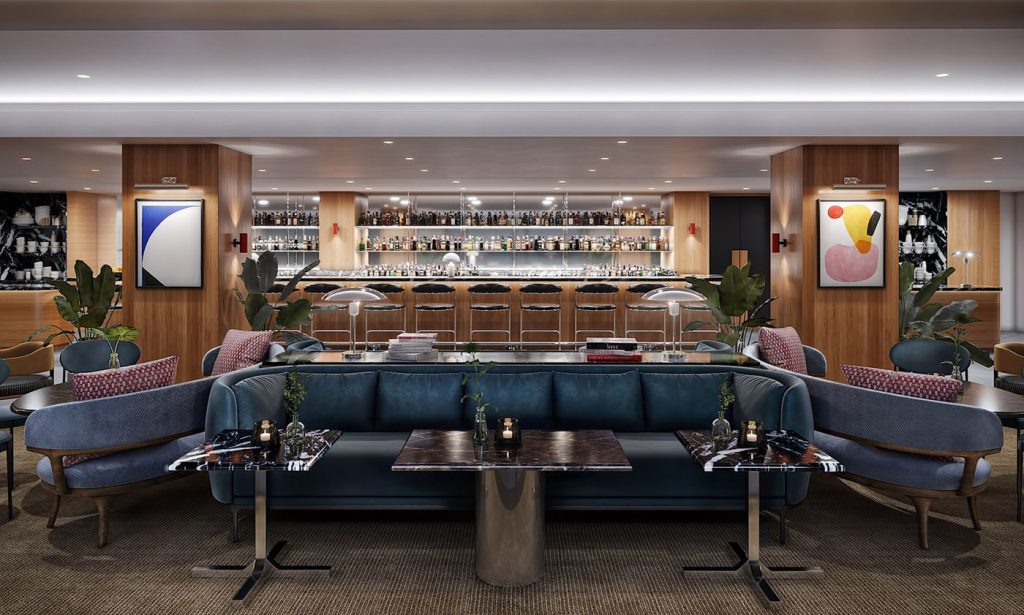
- CGI Services3D Furniture Base: 5 Noteworthy Ways to Use 3d Models of Your ProductsA switch from product photography to CGI can be a truly exciting moment for furniture manufacturers. Because using 3D models allows for new creative ways to showcase their…

- CGI NewsAdvertisement Ideas for Furniture: 12 Tips for Creating Superb Product ContentThe ecommerce industry is growing fast — online retail now accounts for over 20% of global retail sales (crossing that threshold for the first time in 2024), with…
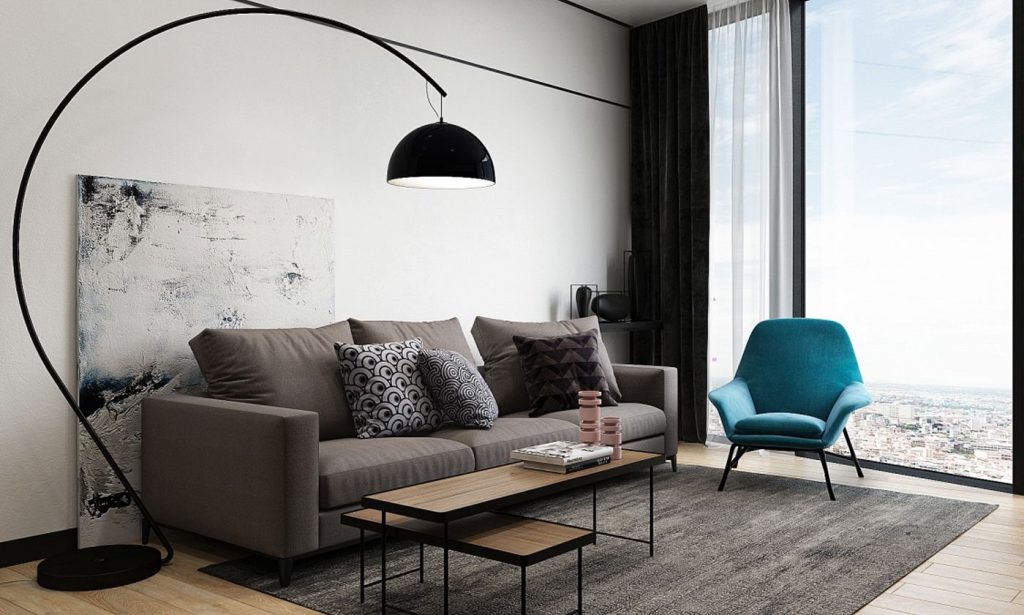
- CGI Studios3D Modeling Artists: 5 Surprising Facts About CGI SpecialistsMore and more product manufacturers nowadays choose CGI over photography fortheir catalogs, e-commerce websites, and advertisements. However, there are some common doubts among those who are still considering…
Resolving your questions before we begin
Answers to common questions
What industries do you work with?
We provide 3D visualization services across several industries. In particular, we work with product manufacturers, interior designers, e-commerce retailers, and advertising agencies.
What is product rendering, and how does it work?
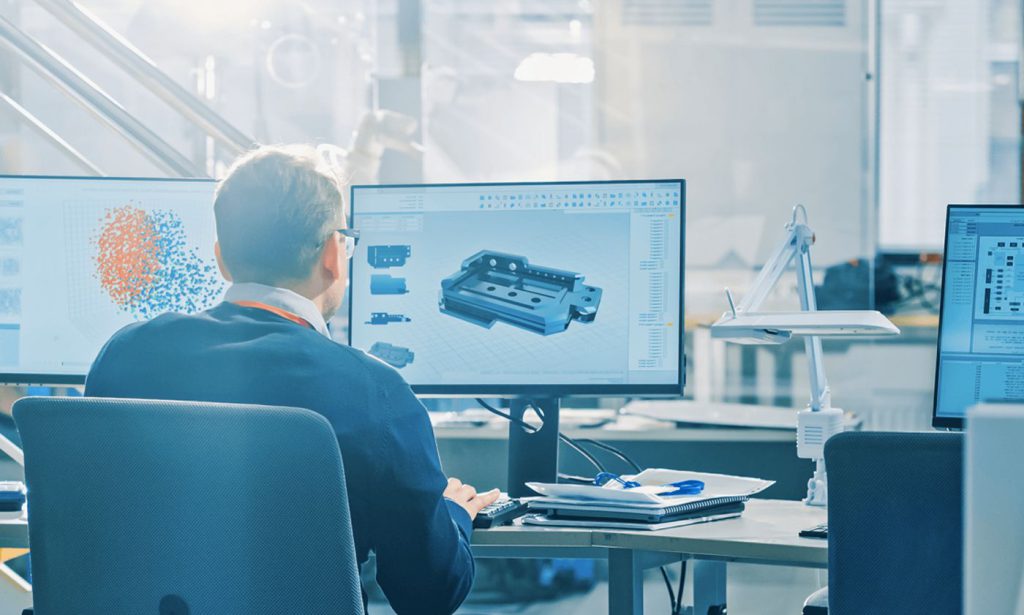
Product rendering is the art of creating lifelike images of a product using 3D software instead of a camera. It gives you full control over how your product looks. A 3D artist can adjust anything from lighting and textures to background and angle. You don't even need a physical prototype for that.
The process starts with building a 3D model. This can be based on drawings, CAD files, or photo references. After that, the model is textured to show surface details and materials. Lighting is then added to match your brand’s style or real-world conditions.
Finally, the software renders the scene. Basically, it means turning the digital setup into a high-resolution image or animation. Want to learn more? Our 3D rendering blog dives into the full workflow, with real examples and expert tips.
How do I start a 3D rendering or animation project with you?
You can book a meeting with us to discuss your project and ask any questions. To do that, contact our manager via the chat on this page or click the Schedule a Demo button.
Will I be able to preview and approve drafts before final delivery?
Yes, absolutely. Before the project begins, your CGI team's manager will walk you through the main stages of the work. You will agree on the timeline, when you will receive drafts, and how you will share your feedback. This way, you stay involved at every step and can approve each stage before moving forward.
Can I request revisions during the project?
Yes, revisions are a standard part of our workflow. You can request changes at each stage of your 3D rendering project. If the total volume of corrections stays within 60% of the work, we include them at no extra cost. If the changes go beyond that, they are treated as a new task and charged separately.
Can you match my brand’s lighting, style, and mood in the renders?
Yes, absolutely. Our entire workflow is designed to ensure visual consistency and a fully on-brand look.
First, we will ask you to share references that reflect the style and mood you want. These, along with your project guidelines, are stored in your brand folder.
Second, you will always work with the same CGI team. They will know your preferences well, so you will not need to repeat instructions for every project. In practice, they function like your in-house team.
Third, your team will have a dedicated project manager and an art director assigned to it. They make sure each render meets your visual and technical standards.
Finally, if the project grows and requires more artists, your core team will onboard the new members. The project manager and art director will train them so that every detail follows your brand style.
Get the Commercial CGI & Product Rendering Guide for Marketing Directors
Everything you need to scale product content with CGI.
Get expert insights, real project examples, and strategies with proven ROI.
Fill out the form to receive the guide directly in your inbox.