
CGI Furniture Blog
Find out how to improve a product business with 3D rendering and modeling
- 3D Visualization Process3D Product Rendering Project: The Workflow Process at CgifurnitureEvery now and then marketers and manufacturers face the challenge of finding a reliable contractor for their 3D product rendering project. On the one hand, the Internet is…
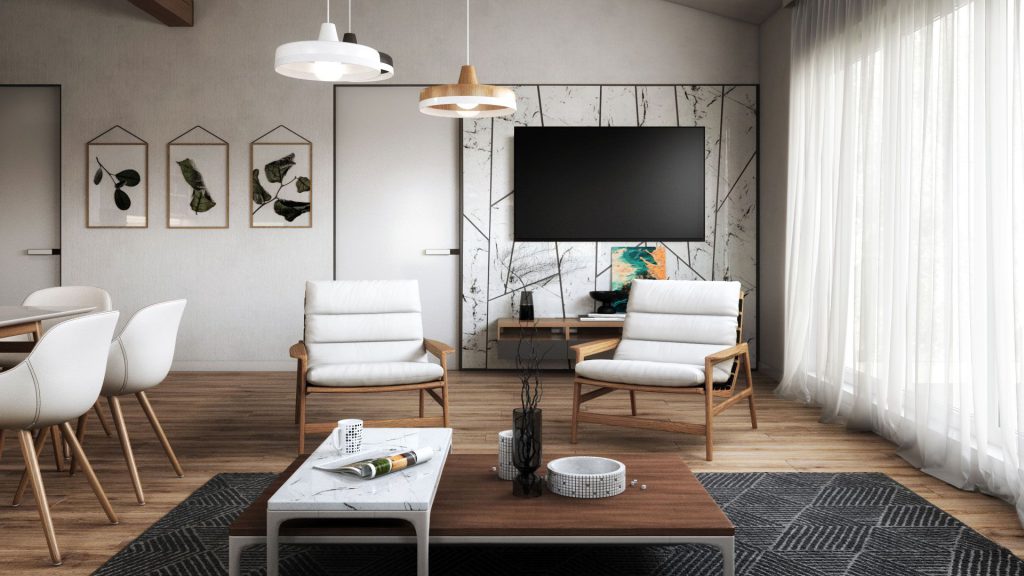
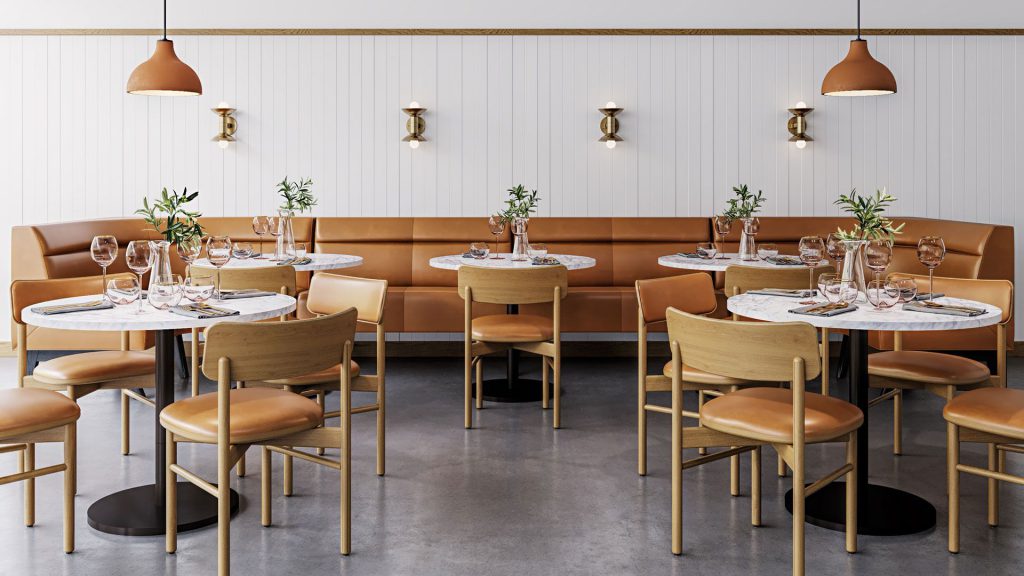
- Uncategorized3D Furniture Rendering Services: 5 Reasons You Need to Try Them AsapUsing CGI for promo images has become a usual thing for many brands these days.Surely, old-school product photography and modern 3D furniture renderingservices both have their advantages. On…

- CGI NewsEthnic Interior Design: 6 Ethno-Inspired Styles for Furniture RendersWhen marketers and manufacturers choose ethnic interior design for their roomsets, they usually aim at the subconscious part of our brains. Ethnic motives are rooted in ancient traditions…

- 3D Software3Ds Max Plugins: Top-7 Options that Will Be Relevant in 2021Most of the marketers and manufacturers don’t know anything about CG software, 3ds Max plugins and addons, even if they use CGI. Sure, it’s not their job to…
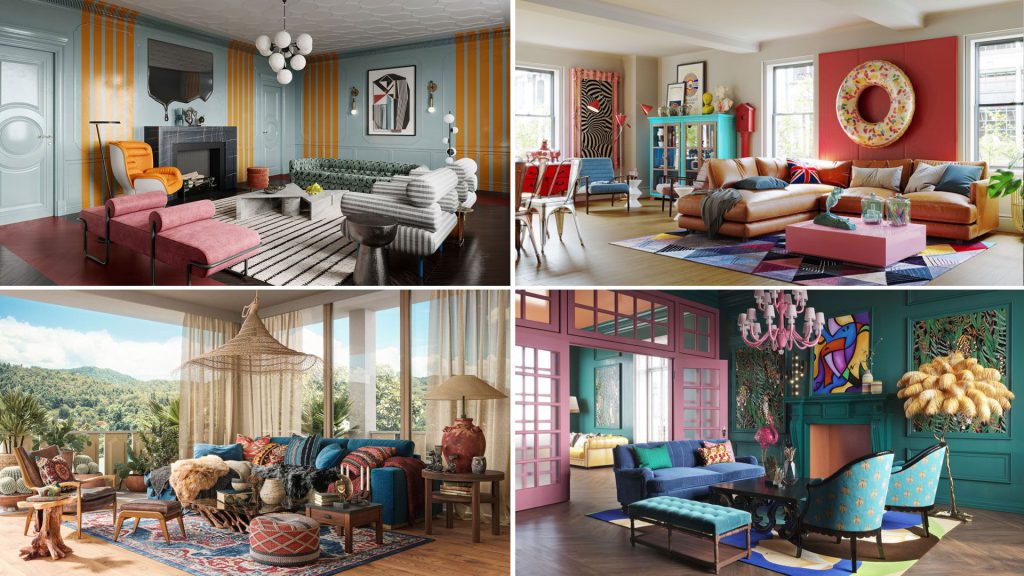
- CGI NewsEclectic Design Style: 6 Interiors to Choose for a Lifestyle 3d ImageHave you noticed that the Internet has overflowed with minimalist interiors, beit in design pictures or furniture promo materials? Sure, on the one hand, theyare simple and versatile.…
- 3D Visualization ProcessChair Rendering: a Case-Study of a Furniture Visualization ProjectTo stay on top of the eCommerce game, furniture retailers and manufacturers haveto advertise their products with the best visuals possible. This is true for thefollowing case —…

- CGI NewsModern Interior Design: 6 Styles to Use for Lifestyle 3d ImagesThere are so many modern interior design styles today and each one has its ownstory and characteristics. This abundance may get manufacturers and retailersbewildered as they need the…

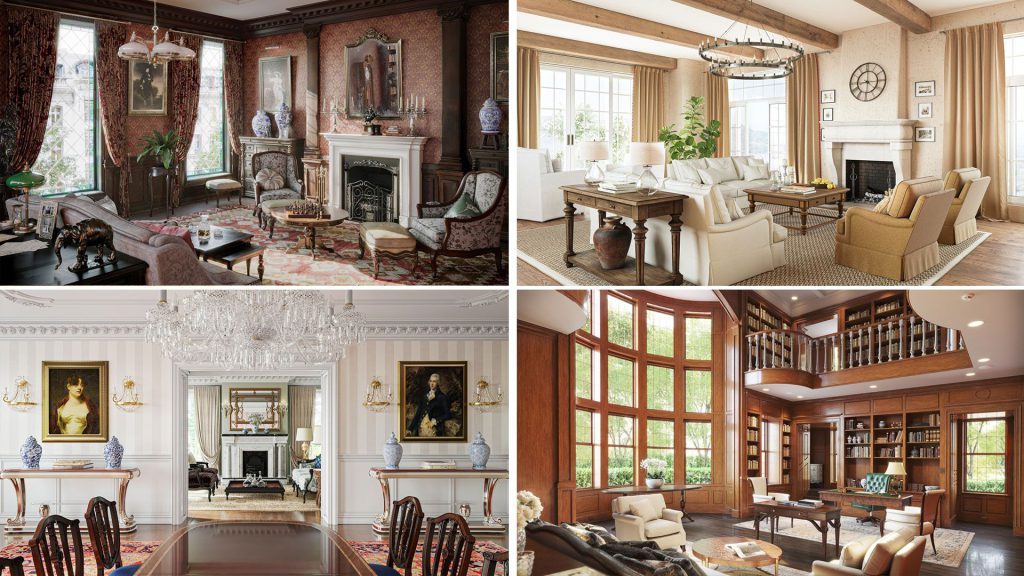
- CGI NewsTraditional Interior Design: 6 Key Styles to Choose From for Product PicsSometimes, manufacturers and furniture retailers need specific sophisticatedlifestyles for their products. Of course, modern room sets don’t always work forsuch projects and brands turn to traditional interior design…
- CGI NewsInnovative Marketing Collateral: What Role Cgi Plays in ItOperating on a highly-competitive market, manufacturers and retailers have tofind a way to stand out of the crowd in order to get their piece of the pie. Ofcourse,…
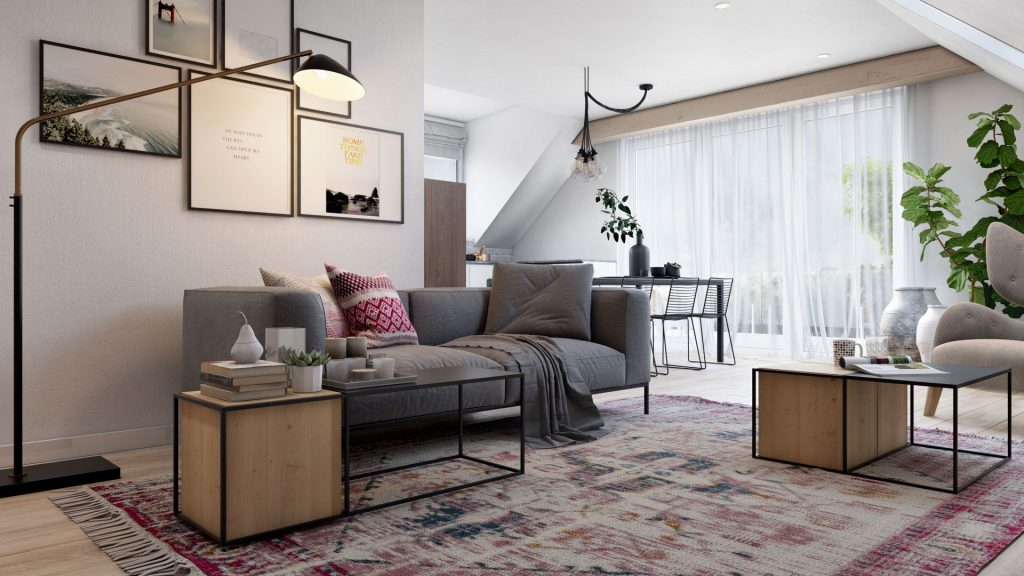
- CGI NewsCountry Interior Design: 6 Main Types for Lifestyles You Should KnowWhen manufacturers and retailers need to beautifully display furniture in a lifestyle, they have to know what interior style suits their products the most. Often, to create a…

- CGI Services3D Product Configurator: 5 Ways to Use It for an Ecommerce WebsiteWhen investing money and time in creating a brand’s website, how manymanufacturers and marketers actually know what type of content will boost credibility and client acquisition? If your…
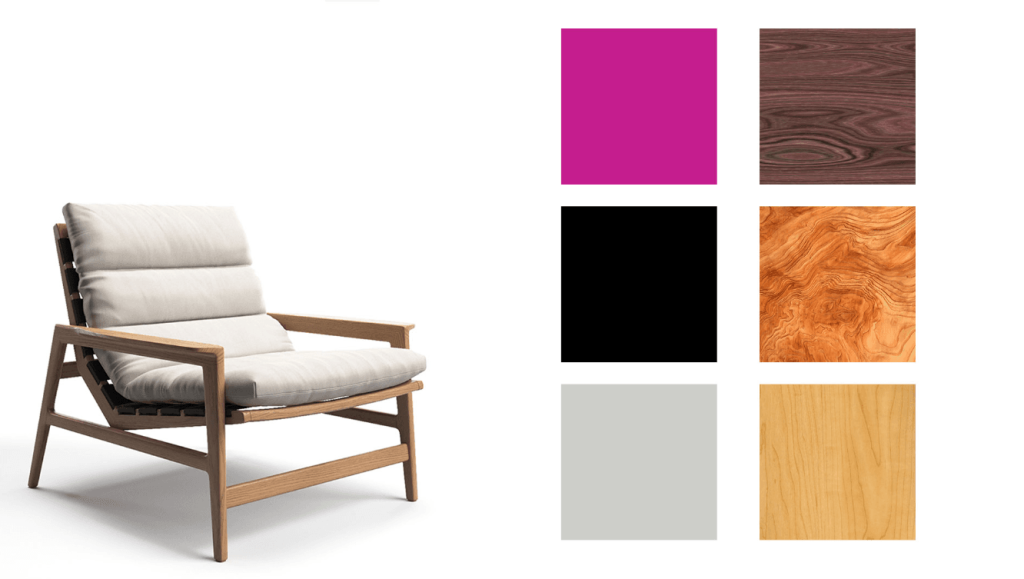
- CGI ServicesRendering 3d Objects: 7 Mistakes Professional Artists Always AvoidJust a decade ago, when manufacturers and marketers needed product photos, theyhad no other option but to arrange old-school photo sessions. For that, theyproduced all the samples first,…

- CGI NewsCustomer Education: How Product Cgi Can Help with ItEcommerce is vastly growing and bringing lots of new opportunities for the furniture market. However, it also stirs competition between furniture manufacturers and retailers. You have probably seen…
Resolving your questions before we begin
Answers to common questions
What industries do you work with?
We provide 3D visualization services across several industries. In particular, we work with product manufacturers, interior designers, e-commerce retailers, and advertising agencies.
What is product rendering, and how does it work?
Product rendering is the art of creating lifelike images of a product using 3D software instead of a camera. It gives you full control over how your product looks. A 3D artist can adjust anything from lighting and textures to background and angle. You don't even need a physical prototype for that.
The process starts with building a 3D model. This can be based on drawings, CAD files, or photo references. After that, the model is textured to show surface details and materials. Lighting is then added to match your brand’s style or real-world conditions.
Finally, the software renders the scene. Basically, it means turning the digital setup into a high-resolution image or animation. Want to learn more? Our 3D rendering blog dives into the full workflow, with real examples and expert tips.
How do I start a 3D rendering or animation project with you?
You can book a meeting with us to discuss your project and ask any questions. To do that, contact our manager via the chat on this page or click the Schedule a Demo button.
Will I be able to preview and approve drafts before final delivery?
Yes, absolutely. Before the project begins, your CGI team's manager will walk you through the main stages of the work. You will agree on the timeline, when you will receive drafts, and how you will share your feedback. This way, you stay involved at every step and can approve each stage before moving forward.
Can I request revisions during the project?
Yes, revisions are a standard part of our workflow. You can request changes at each stage of your 3D rendering project. If the total volume of corrections stays within 60% of the work, we include them at no extra cost. If the changes go beyond that, they are treated as a new task and charged separately.
Can you match my brand’s lighting, style, and mood in the renders?
Yes, absolutely. Our entire workflow is designed to ensure visual consistency and a fully on-brand look.
First, we will ask you to share references that reflect the style and mood you want. These, along with your project guidelines, are stored in your brand folder.
Second, you will always work with the same CGI team. They will know your preferences well, so you will not need to repeat instructions for every project. In practice, they function like your in-house team.
Third, your team will have a dedicated project manager and an art director assigned to it. They make sure each render meets your visual and technical standards.
Finally, if the project grows and requires more artists, your core team will onboard the new members. The project manager and art director will train them so that every detail follows your brand style.
Get the Commercial CGI & Product Rendering Guide for Marketing Directors
Everything you need to scale product content with CGI.
Get expert insights, real project examples, and strategies with proven ROI.
Fill out the form to receive the guide directly in your inbox.