
CGI Furniture Blog
Find out how to improve a product business with 3D rendering and modeling
- CGI Services3D Virtual Photography: 5 Reasons to Try It for Your ProductsHave you ever wondered why fewer and fewer marketers are choosing traditionalphotography for their product images these days? The thing is, it is a ratherexpensive and effort-consuming process.…

- CGI Services3D Max Retopology: What You Need to Know About ItMany furniture manufacturers use CAD product models in their pipeline. Andoftentimes, they believe the same 3D objects can be used for photorealisticvisualization. But while CAD files do make…

- CGI ServicesProduct Videos: 7 Types of 3D Animation that Can Drive SalesWhen it comes to allocating the budget on video advertising, 3D animation couldbe a more beneficial option than traditional product videos. See for yourself,with CGI, you don’t need…
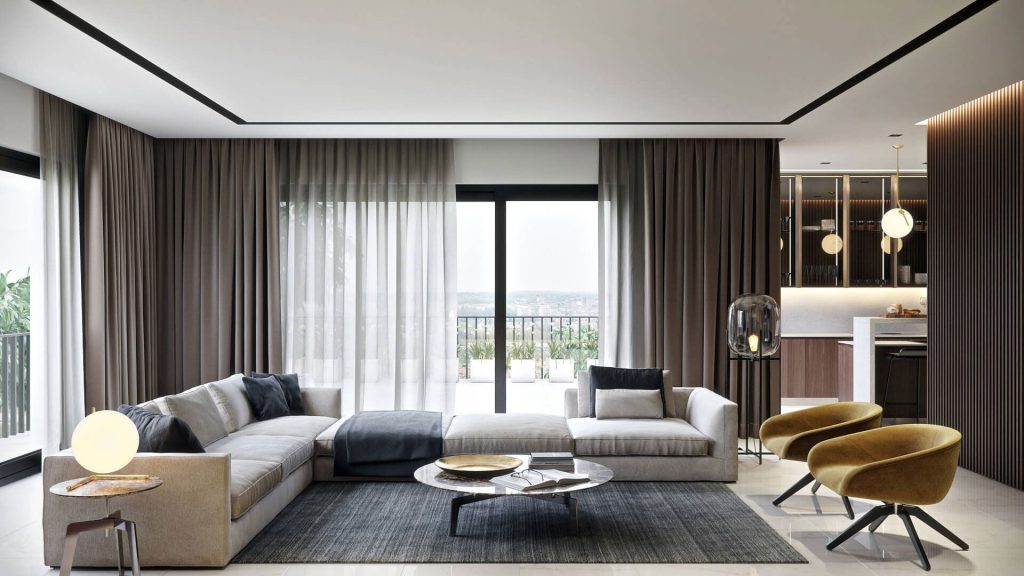
- CGI NewsInspiration for Furniture Design Images: Top-10 Online PlatformsThe internet is full of content that manufacturers and marketers can use as anendless source of inspiration for furniture design images and product marketingpresentations. There are myriads of…

- CGI ServicesLifestyle Background: 5-Step Guide to Choosing a 3D Scene From the Cgifurnitre LibraryOne of the biggest advantages of CGI is cost-efficiency. With 3D technology,marketers can get stunning room sets without extra expenses and effort. They nolonger need to buy decor…
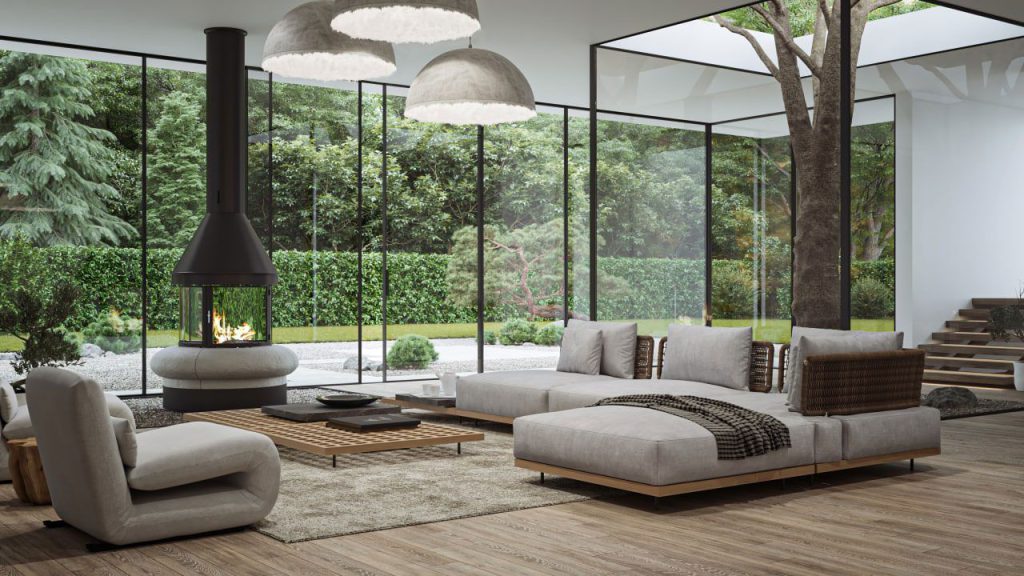
- CGI Services3D Product Video: 7 Bulletproof Ways to Use It for Ecommerce MarketingIn recent years, we have seen 3D product video gradually replacing traditional video advertising in eCommerce. It’s no wonder since the latter is more pricey and time-consuming. See…

- 3D SoftwareRendering in 3ds Max: v-Ray vs Corona RendererThe modern software market offers many plugins for rendering in 3ds Max. Amongst them, V-Ray and Corona Renderer are the most common CG tools. Surely, they differ in…
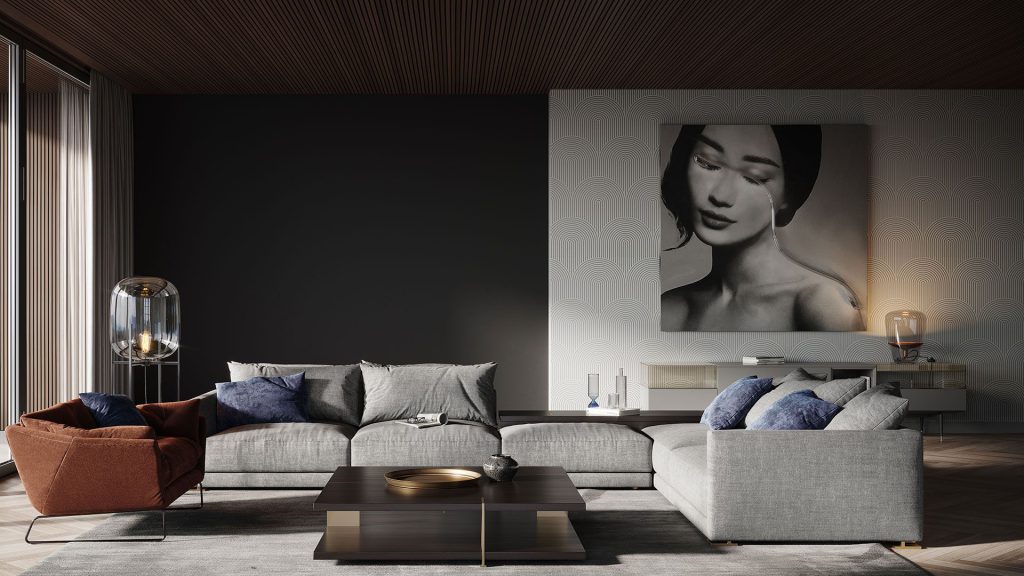
- CGI Services3D Product Render: 7 Types of Lighting for Outdoor Lifestyle Cg ImagesExperienced marketers know how troublesome and complicated outdoor photosets can be. First and foremost, they depend on the weather, which is constantly changing and never works the way…
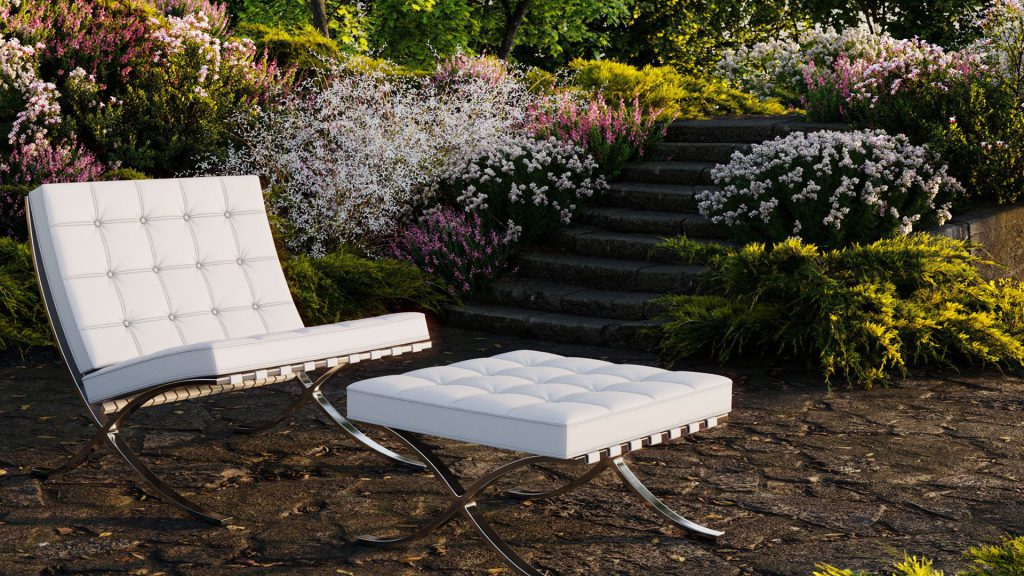
- CGI Services3D Animation Brief: What to Include in It3D product animation is a cost-effective way for furniture manufacturers andsellers to get photorealistic video content. Making 3D animation costs less thanfilming a video because with CGI, there’s…
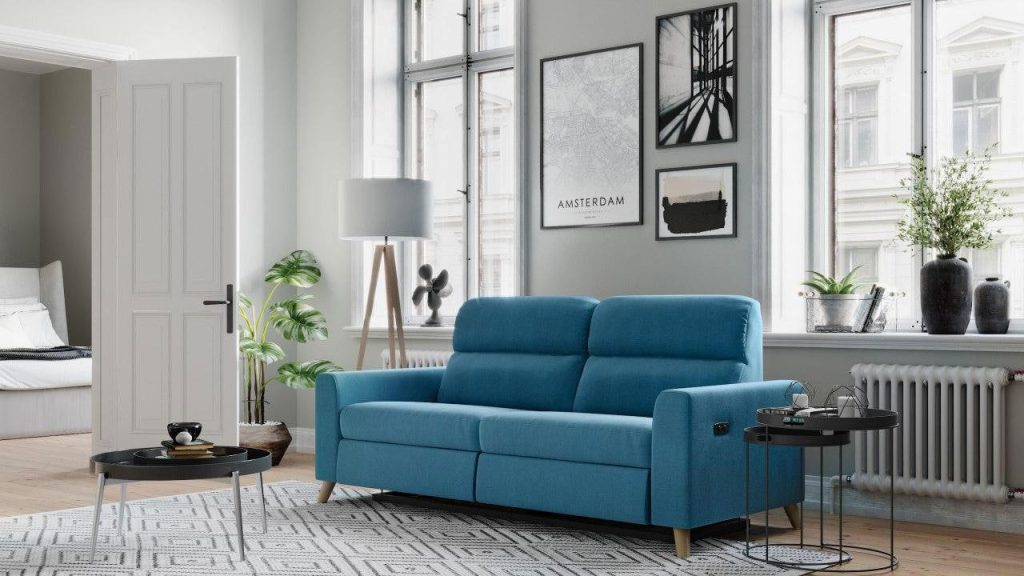
- Benefits of Product CGIHow to Sell Furniture Online: 9 Tips for ManufacturersToday, more and more manufacturers are going online, especially after the pandemic. It all happened so quickly that most of the sellers were not ready for this transition.

- Benefits of Product CGIEcommerce Visual Merchandising Tips: How to Enhance It with CGIDue to the pandemic, many furniture manufacturers and retailers have switched toeCommerce making it even more competitive than it was before. Today, it’sdifficult for brands to stand out…

- Product MarketingFurniture Magazine: Top-5 Journals To Read In 2025Where do you go when you need inspiration and motivation? Usually, you turn to the community of like-minded professionals and experts in your field. For furniture manufacturers and…

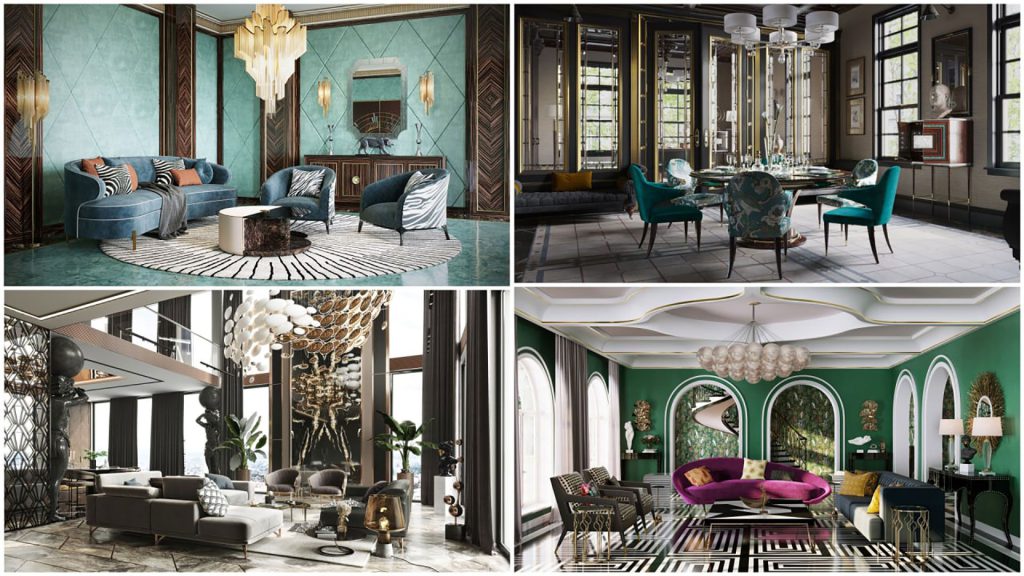
- CGI NewsLuxury Interior Design Style: All Styles You Can Try for Lifestyle 3d PictureMarketers and manufacturers need to anticipate specific challenges whenselecting a luxury interior design style for their furniture images. Firstly,staging physical high-end roomsets is very expensive. You need to…
Resolving your questions before we begin
Answers to common questions
What industries do you work with?
We provide 3D visualization services across several industries. In particular, we work with product manufacturers, interior designers, e-commerce retailers, and advertising agencies.
What is product rendering, and how does it work?
Product rendering is the art of creating lifelike images of a product using 3D software instead of a camera. It gives you full control over how your product looks. A 3D artist can adjust anything from lighting and textures to background and angle. You don't even need a physical prototype for that.
The process starts with building a 3D model. This can be based on drawings, CAD files, or photo references. After that, the model is textured to show surface details and materials. Lighting is then added to match your brand’s style or real-world conditions.
Finally, the software renders the scene. Basically, it means turning the digital setup into a high-resolution image or animation. Want to learn more? Our 3D rendering blog dives into the full workflow, with real examples and expert tips.
How do I start a 3D rendering or animation project with you?
You can book a meeting with us to discuss your project and ask any questions. To do that, contact our manager via the chat on this page or click the Schedule a Demo button.
Will I be able to preview and approve drafts before final delivery?
Yes, absolutely. Before the project begins, your CGI team's manager will walk you through the main stages of the work. You will agree on the timeline, when you will receive drafts, and how you will share your feedback. This way, you stay involved at every step and can approve each stage before moving forward.
Can I request revisions during the project?
Yes, revisions are a standard part of our workflow. You can request changes at each stage of your 3D rendering project. If the total volume of corrections stays within 60% of the work, we include them at no extra cost. If the changes go beyond that, they are treated as a new task and charged separately.
Can you match my brand’s lighting, style, and mood in the renders?
Yes, absolutely. Our entire workflow is designed to ensure visual consistency and a fully on-brand look.
First, we will ask you to share references that reflect the style and mood you want. These, along with your project guidelines, are stored in your brand folder.
Second, you will always work with the same CGI team. They will know your preferences well, so you will not need to repeat instructions for every project. In practice, they function like your in-house team.
Third, your team will have a dedicated project manager and an art director assigned to it. They make sure each render meets your visual and technical standards.
Finally, if the project grows and requires more artists, your core team will onboard the new members. The project manager and art director will train them so that every detail follows your brand style.
Get the Commercial CGI & Product Rendering Guide for Marketing Directors
Everything you need to scale product content with CGI.
Get expert insights, real project examples, and strategies with proven ROI.
Fill out the form to receive the guide directly in your inbox.