
CGI Furniture Blog
Find out how to improve a product business with 3D rendering and modeling
- CGI ServicesWhat Is 3D Modeling for Furniture Business: 5 Biggest BenefitsWhat is 3D modeling? It is an industry-wide term for a variety of computer graphics. It can be applied to many industries but in this article, we will…
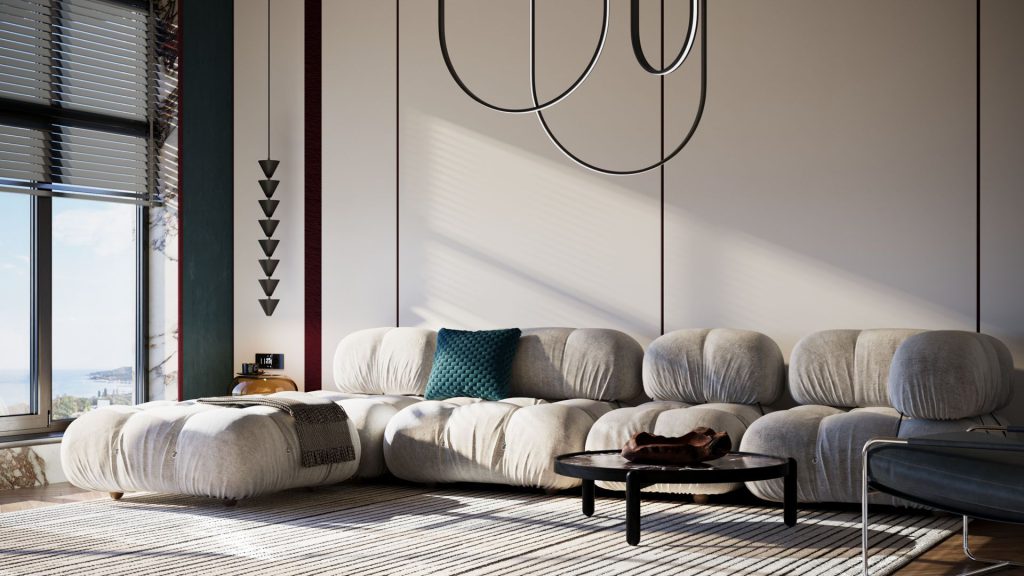
- CGI ServicesHow to Use 3D Product Modeling Solutions for Outstanding Promo VisualsToday, we are living in an image-driven world. Consumers rely heavily on visuals when making purchase decisions and few things can add more impact than 3D product visualization.…
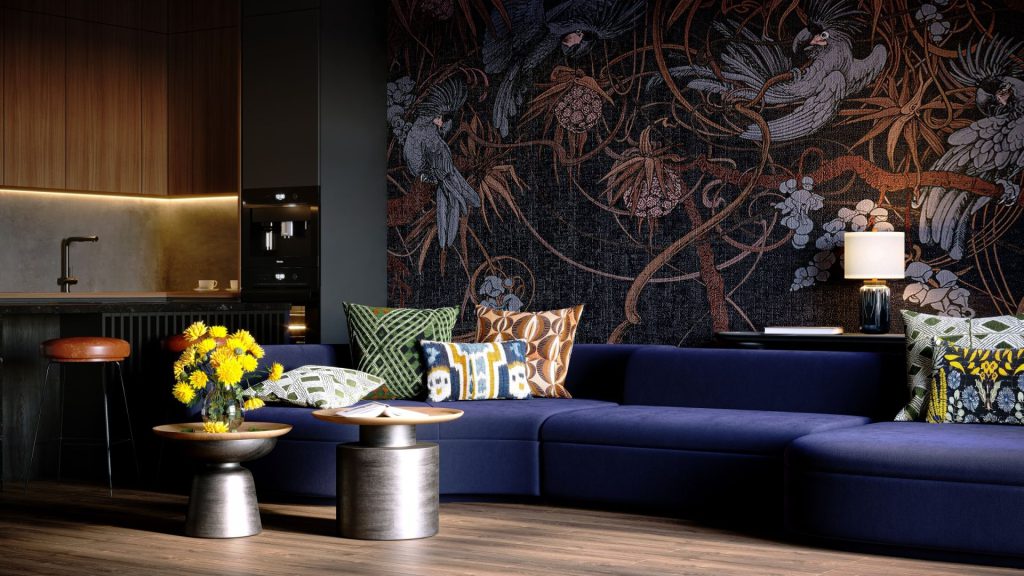
- Product Marketing3D Product Advertisement: 5 Most Effective Ideas to Start Your CampaignThe rise of 3D technology has led to a huge shift from traditional advertising methods, such as printed ads, commercials and billboards, to more advanced forms of digital…

- CGI Studios3D Modeling Image References: What 3D Artists Are Looking for in ThemProfessional 3D artists know that creating a 3D model is not an easy task. There are so many elements at play, from the texture of an object to…
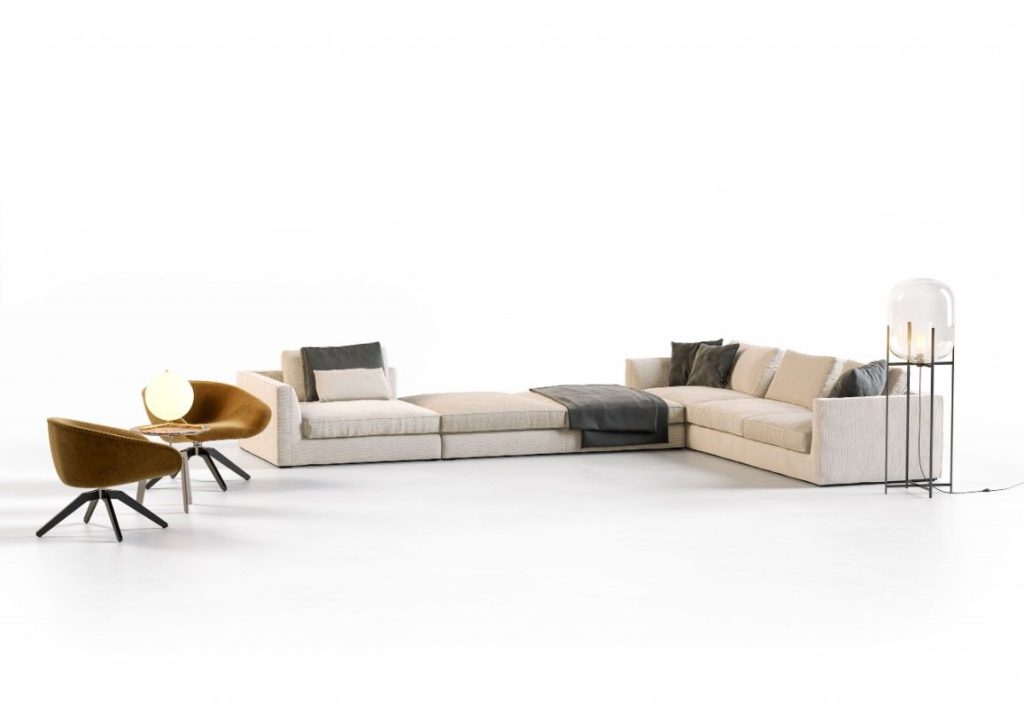
- Benefits of Product CGIProduct 3D Rendering for Email Marketing: 6 Eye-Catching FeaturesDo you want to make your email marketing campaigns more effective? If so, then one thing you can start with is upgrading your visuals. Since customers have only…
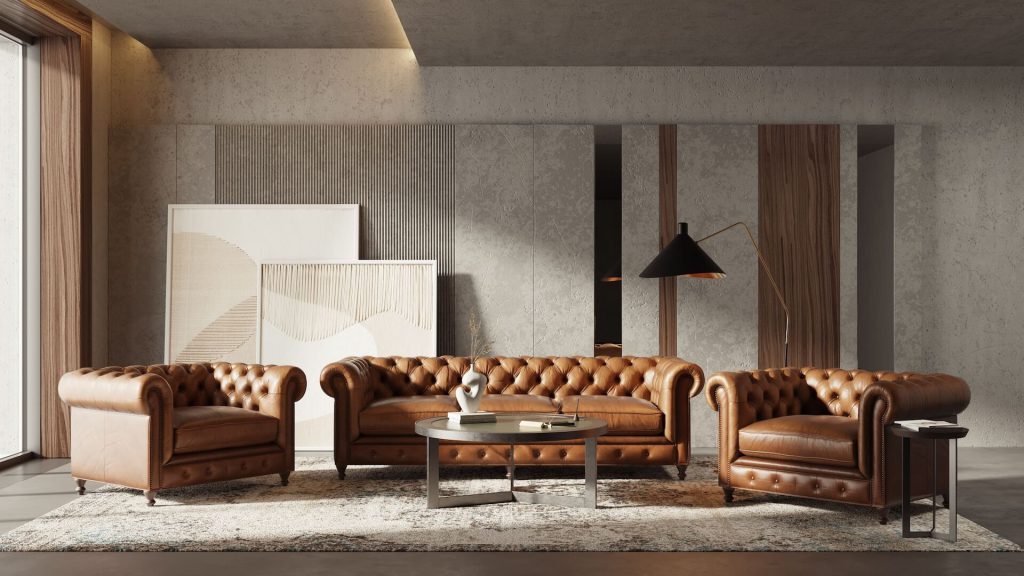
- Product MarketingTypes of Marketing Channels Furniture Retailers UseMarketing encompasses a huge range of tactics, business models, and channels. Nowadays, furniture retailers use a variety of marketing platforms to advertise their products and services. The 5…

- CGI Studios3D Modeling and Texturing Services: Why Choose a Professional CGI StudioProduct 3D is one of the most efficient ways to ensure a furniture manufacturer or marketer gets stellar visuals that can be used in all stages of work.…

- CGI ServicesWhat Is Product Visualization? Why a Furniture Business Should Invest in It?To stay relevant and competitive, companies need to find new ways to differentiate their products and communicate with customers. The furniture industry is constantly evolving and changing. Product…

- Product MarketingBrand Stretch vs Brand Extension: Definition, Methods, and DifferencesSuccessful brands require careful management and thoughtful strategy. If you’ve ever wondered how to grow your business in a competitive environment, stretching and expanding your brand can help.…

- Product MarketingPDCA vs DMAIC: What to Choose for Project ImprovementStatistics suggest that about 70% of projects failed, despite the high technical quality and the high level of dedication from team members. There are many factors that come…

- Product MarketingPhygital Marketing: What It Is and How It Is Changing RetailSymbiosis of the physical and digital world creates many new opportunities for marketers. Phygital marketing is a holistic, customer-centric approach to marketing. It blends the physical and digital…

- CGI Services3D Photo Montage in Furniture Visualization: How It WorksWith the help of 3D photo montage, furniture manufacturers can have pictures of their products placed in beautiful interior CG settings. That eliminates the need to build costly…

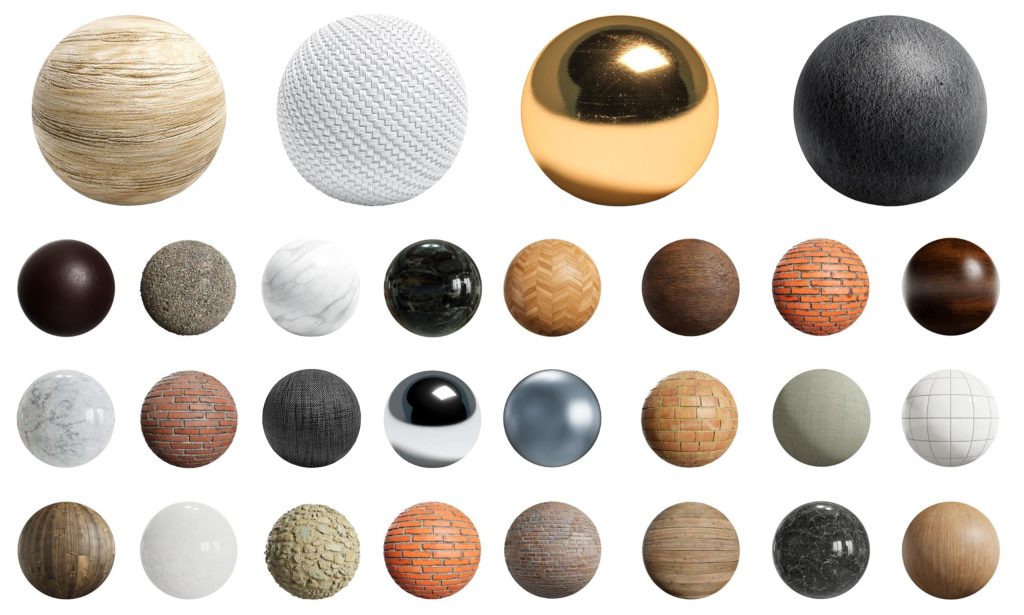
- CGI Services3D Modeling Texture Resources: 5 Places to Find Samples for a Project BriefPhotorealistic images are the best way to show off your product designs. Finding texture samples for visualizing them will give you a better idea of what your final…
Resolving your questions before we begin
Answers to common questions
What industries do you work with?
We provide 3D visualization services across several industries. In particular, we work with product manufacturers, interior designers, e-commerce retailers, and advertising agencies.
What is product rendering, and how does it work?
Product rendering is the art of creating lifelike images of a product using 3D software instead of a camera. It gives you full control over how your product looks. A 3D artist can adjust anything from lighting and textures to background and angle. You don't even need a physical prototype for that.
The process starts with building a 3D model. This can be based on drawings, CAD files, or photo references. After that, the model is textured to show surface details and materials. Lighting is then added to match your brand’s style or real-world conditions.
Finally, the software renders the scene. Basically, it means turning the digital setup into a high-resolution image or animation. Want to learn more? Our 3D rendering blog dives into the full workflow, with real examples and expert tips.
How do I start a 3D rendering or animation project with you?
You can book a meeting with us to discuss your project and ask any questions. To do that, contact our manager via the chat on this page or click the Schedule a Demo button.
Will I be able to preview and approve drafts before final delivery?
Yes, absolutely. Before the project begins, your CGI team's manager will walk you through the main stages of the work. You will agree on the timeline, when you will receive drafts, and how you will share your feedback. This way, you stay involved at every step and can approve each stage before moving forward.
Can I request revisions during the project?
Yes, revisions are a standard part of our workflow. You can request changes at each stage of your 3D rendering project. If the total volume of corrections stays within 60% of the work, we include them at no extra cost. If the changes go beyond that, they are treated as a new task and charged separately.
Can you match my brand’s lighting, style, and mood in the renders?
Yes, absolutely. Our entire workflow is designed to ensure visual consistency and a fully on-brand look.
First, we will ask you to share references that reflect the style and mood you want. These, along with your project guidelines, are stored in your brand folder.
Second, you will always work with the same CGI team. They will know your preferences well, so you will not need to repeat instructions for every project. In practice, they function like your in-house team.
Third, your team will have a dedicated project manager and an art director assigned to it. They make sure each render meets your visual and technical standards.
Finally, if the project grows and requires more artists, your core team will onboard the new members. The project manager and art director will train them so that every detail follows your brand style.

Get the Commercial CGI & Product Rendering Guide for Marketing Directors
Everything you need to scale product content with CGI.
Get expert insights, real project examples, and strategies with proven ROI.
Fill out the form to receive the guide directly in your inbox.